Safe, Tent-Free Pest Control for Diamond Bar
- Complimentary, Zero-Obligation Home Inspections
- Simultaneous Termite Elimination & Nuisance Pest Control
- 100% Free From Toxic Tent Fumigation
- Naturally Derived, Child & Pet-Conscious Formula
- Independent, Locally Owned South County Specialists
 (888) 559-8816Calls answered 24/7
Book your visit online
Pick a service, enter your ZIP and choose an open time. Serving Los Angeles, Orange and Riverside Counties.
Online booking is briefly unavailable
Call or text (888) 559-8816, calls answered 24/7.
Call (888) 559-8816Dry run: what would happen
Prefer to talk? Call (888) 559-8816. Calls answered 24/7.


The Hillside Threshold: Why Diamond Bar Homes Are Under Attack
Many Diamond Bar homes are positioned on or around hillsides, creating properties with varying grades, retaining walls, elevated yards, patios, and multiple exterior elevations. The city specifically notes that many homes are located at the top or base of privately owned hillsides. These architectural and landscape conditions can make certain pest vulnerabilities less obvious. Rooflines, fascia, decks, retaining structures, fences, garages, exterior trim, and other wood components may be exposed to years of sun and weather while remaining difficult for homeowners to inspect closely. Drywood termites can establish colonies inside dry structural wood without requiring contact with soil. Their concealed nature means a property can look well maintained while termite activity develops inside roof components, trim, framing, or other wooden elements.
Hillside properties require careful management of drainage because water does not remain evenly distributed across a sloped landscape. Irrigation, roof runoff, drainage devices, retaining areas, and planted slopes can all influence where moisture collects around a home. Diamond Bar's own slope-maintenance guidance emphasizes the importance of maintaining drainage devices and controlling vegetation on privately owned hillsides. It also warns that overgrown vegetation can harbor rats or other vermin. For pest control, these conditions matter because persistent moisture can support subterranean termite activity, while dense vegetation and unmanaged areas can provide shelter for ants, spiders, rodents, and other pests.
Diamond Bar contains numerous open-space slopes and areas following its ridges and hillsides, while parks and recreational facilities are distributed throughout the city. The city operates nine parks and recreational facilities covering more than 160 acres. Homes bordering open space or landscaped areas may have more interaction with outdoor vegetation and wildlife. Trees, brush, groundcover, drainage channels, and naturalized areas can provide shelter for pests before they move toward residential structures. That does not mean open space creates household infestations. It means the transition between vegetation and the home deserves attention, particularly around fences, garages, foundations, patios, and exterior walls.
Precision Risk Assessment: Inspecting Diamond Bar Home Architecture
Inspecting roof edges, fascia, eaves, trim, vents, window framing, decks, and other accessible wood components where Drywood termites may establish concealed colonies.
Checking foundation lines, retaining areas, soil transitions, hardscape, drainage points, and grade changes for moisture, cracks, mud tubes, soil contact, and other potential subterranean termite pathways.
Evaluating planted slopes, shrubs, groundcover, tree bases, brush, and vegetation around the property for pest harborage and conditions that may allow insects or rodents to remain close to the structure.
Looking for sprinkler overspray, leaking fixtures, blocked drainage, damp soil, runoff patterns, and other moisture conditions that can make parts of the property more attractive to termites and nuisance pests.
Examining garages, patios, storage spaces, sheds, lower-level structures, and other areas where hillside construction can create concealed access points or sheltered pest habitat.
Checking fences, gates, retaining structures, exterior storage, vegetation, and property edges for termite activity, rodent shelter, deteriorated wood, and protected routes toward the home.
The Treebark Advantage: Smarter Science for Diamond Bar Homes
| Factor | The Outdated Tenting Process | The Treebark Advantage |
|---|---|---|
| Active Agents | Whole-structure fumigation using volatile gases | Targeted application using a specialized pest-control compound |
| Family Logistics | May require extensive preparation and temporary relocation | Designed to minimize unnecessary household disruption |
| Property Access | Requires preparation to enclose the entire structure | Focused treatment can work around identified problem areas |
| Treatment Focus | Treats the structure as one enclosed space | Concentrates on identified pest activity and vulnerable locations |
| Preventative Power | Addresses the existing infestation | Combines treatment with inspection and identification of contributing conditions |
Local Case Study: Finding Termites Along a Diamond Bar Hillside Home
The Discovery
The Accurate Diagnosis
The Treebark Solution
- Timeline: Treatment is scheduled according to the identified infestation, affected areas, and selected treatment method.
- Disruption: The objective is to minimize unnecessary household preparation and maintain normal routines whenever the treatment protocol allows.
- Outcome: The active termite concern is addressed while the homeowner receives practical recommendations for monitoring wood, drainage, vegetation, and other vulnerable areas.
The Specific Pests Plaguing Diamond Bar Properties
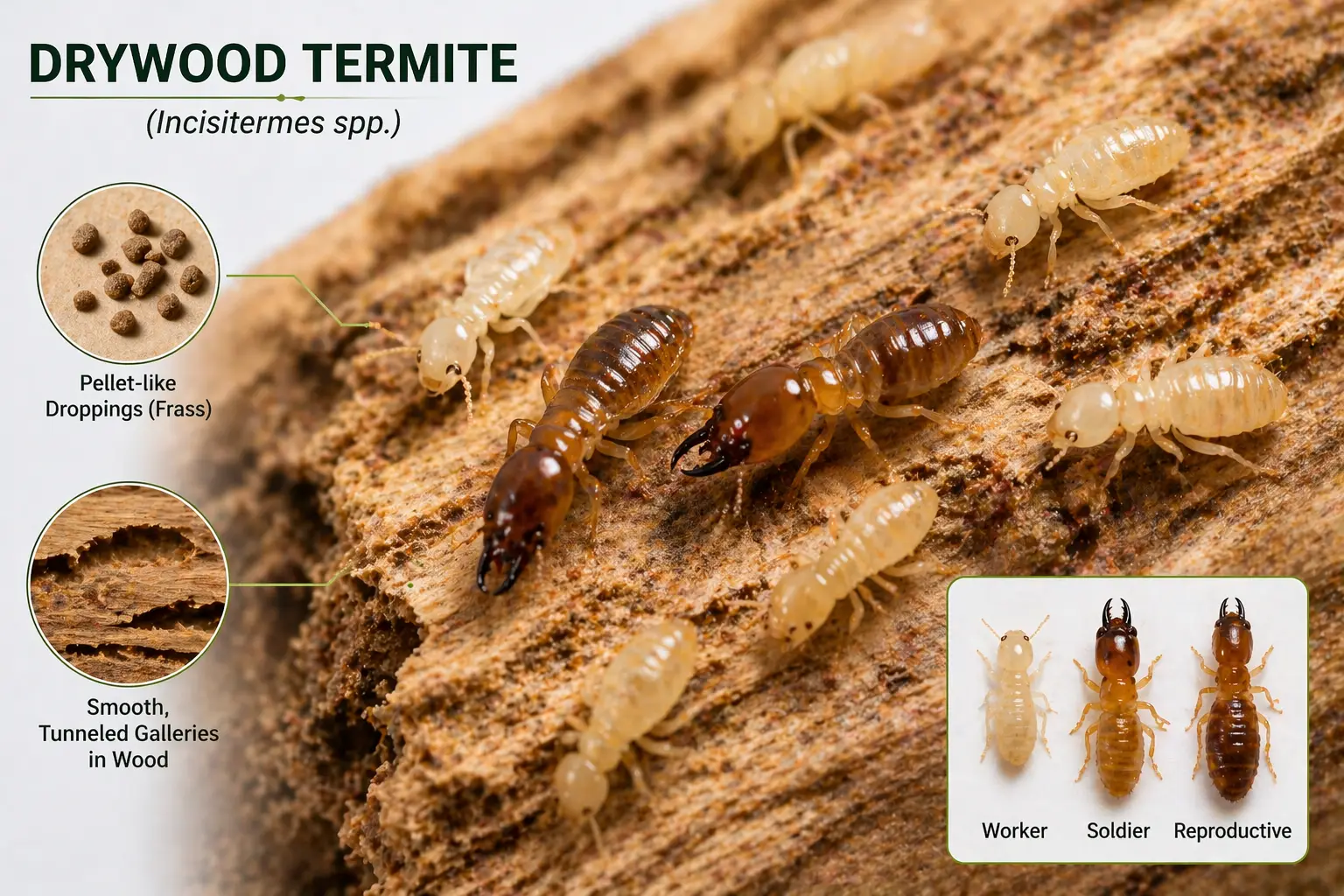
Drywood termites can establish colonies inside dry wood without maintaining a direct connection to the soil. Roof components, fascia, trim, decks, garages, window framing, and other exterior wood can provide concealed locations.
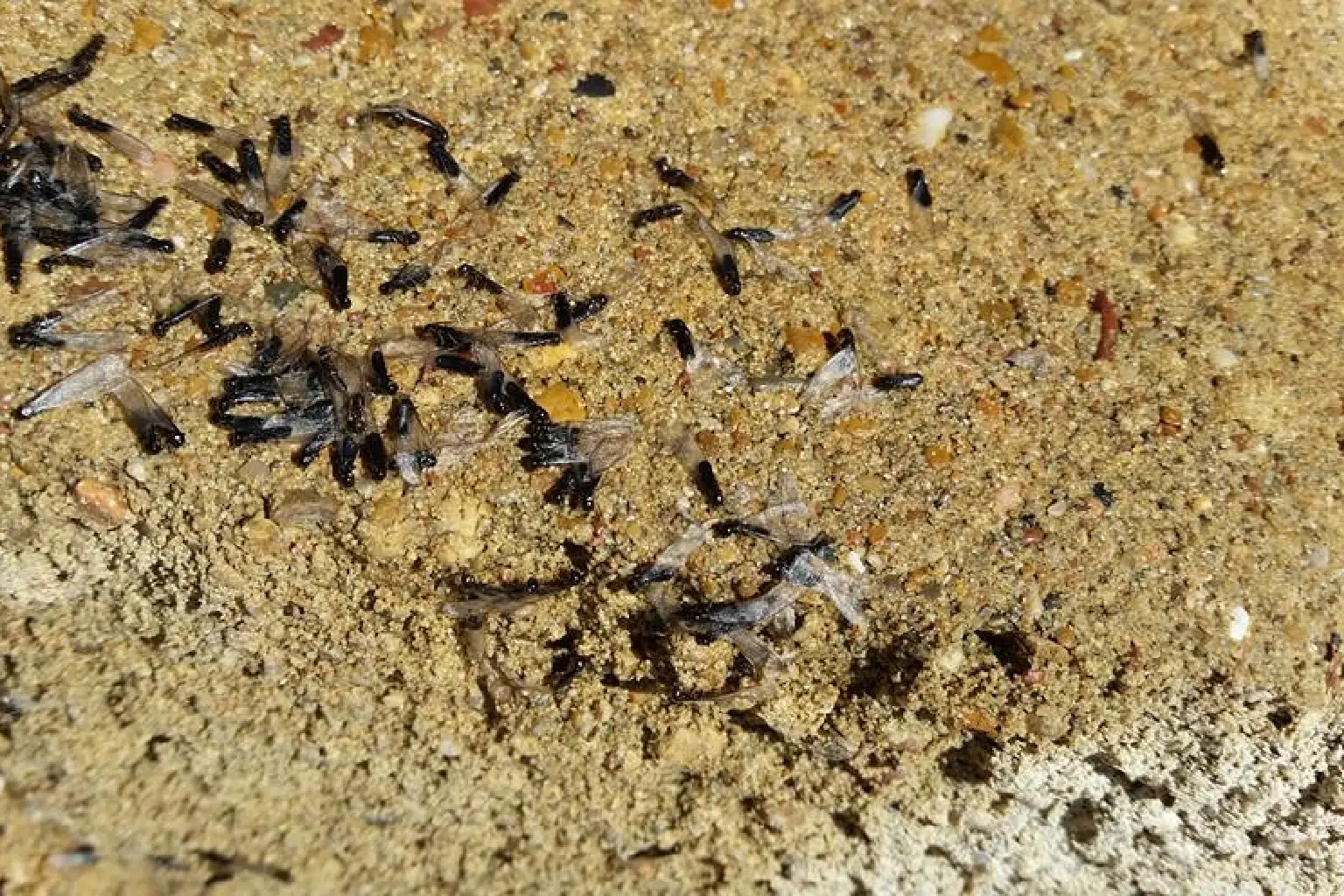
Subterranean termites can approach structures through soil and moisture-related pathways. Hillside drainage, irrigation, foundation edges, retaining areas, cracks, and soil-to-structure contact can all deserve attention during an inspection.

Ants can establish persistent trails when they find dependable water, food, and protected nesting areas. Irrigated landscaping, trees, patios, foundations, and exterior walls can provide routes into kitchens, bathrooms, and other parts of the home.
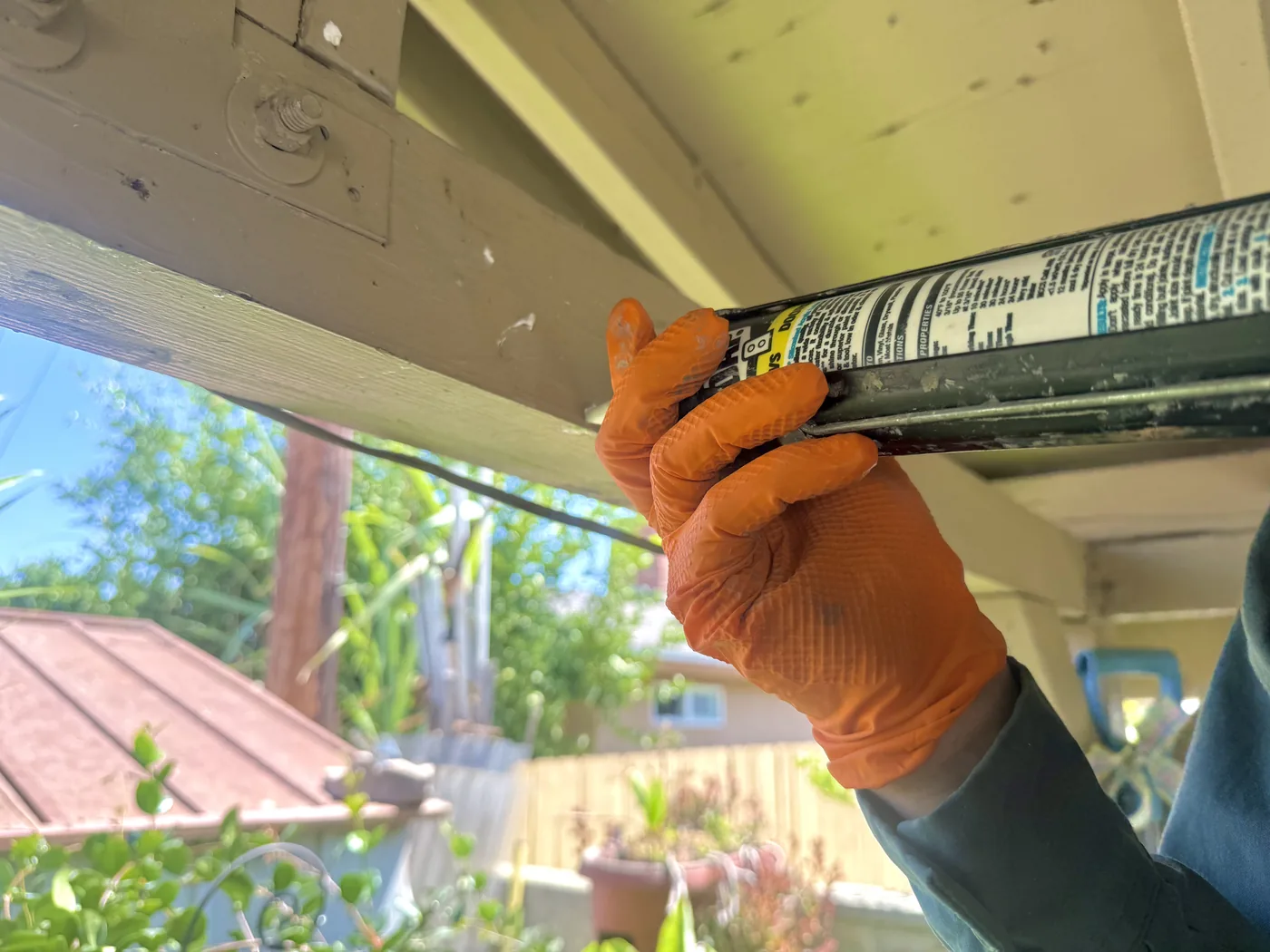
Hillside vegetation, open-space edges, dense landscaping, garages, fences, sheds, and retaining areas can provide shelter for rodents and spiders. The city's slope-maintenance guidance specifically notes that overgrown vegetation can harbor rats or other vermin.
Neighborhoods & Areas We Serve in Diamond Bar
Providing Service to Homes Throughout:
- Diamond Bar Boulevard & Town Center Area: Pest control for established residential properties near the city's central commercial and community activity, with attention to termites, ants, rodents, cockroaches, garages, landscaping, and exterior entry points. The city adopted a Town Center Specific Plan in 2026 to guide the redevelopment of approximately 45 acres along Diamond Bar Boulevard.
- South Pointe & Diamond Point Area: Targeted service for hillside and suburban homes surrounded by mature landscaping, sloped yards, fences, patios, and exterior wood where drainage and vegetation can influence pest activity.
- Local pest management for homes near open-space slopes, parks, golf-course areas, and established residential streets, with attention to termites, ants, spiders, rodents, and moisture-related conditions.Pest services for residential properties surrounded by established landscaping, parks, commercial areas, and neighborhood streets where termites, ants, rodents, and spiders can find shelter close to homes.
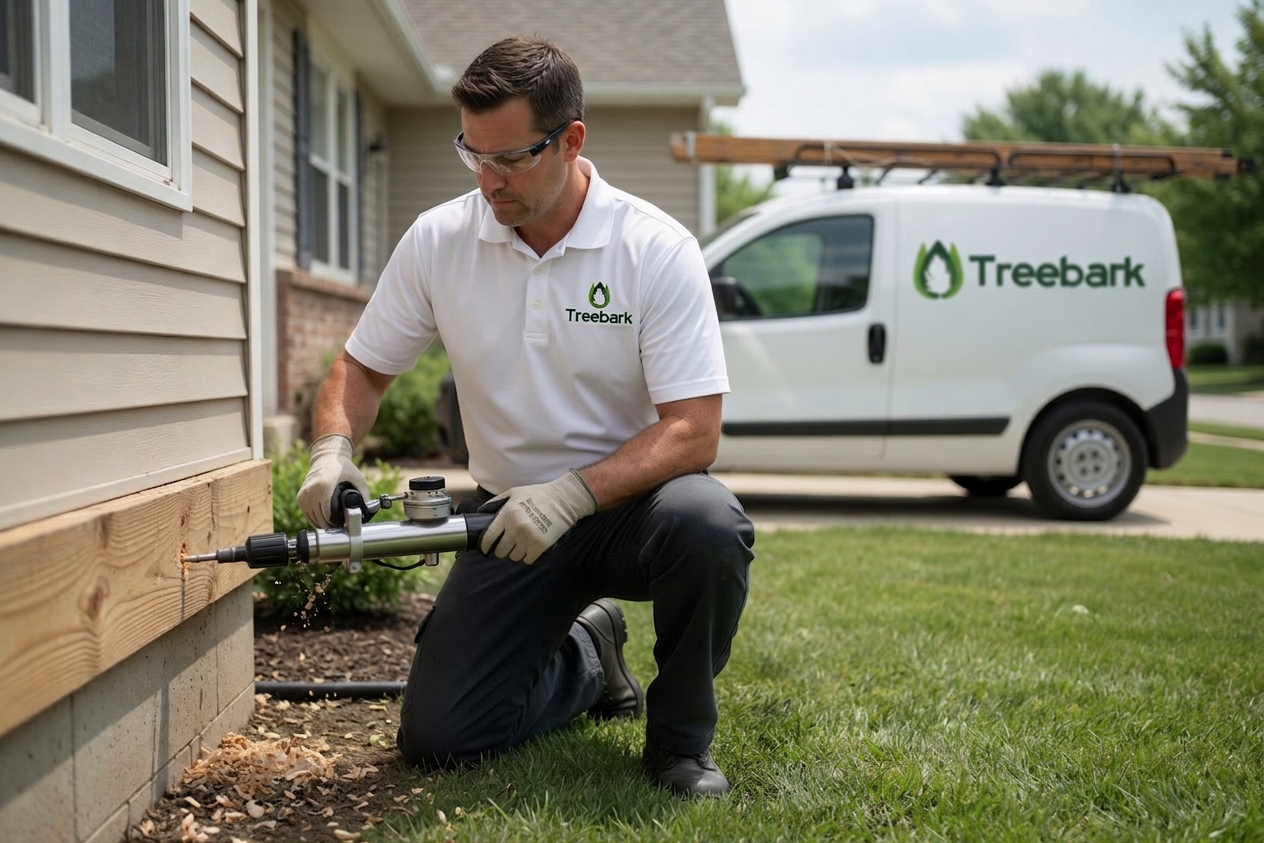
Environmental Drivers: Why Proactive Defense Matters in Diamond Bar
Diamond Bar is positioned in the southeastern San Gabriel Valley and developed across rolling hills. The city's planning documents recognize its numerous ridges, hillsides, slopes, and open-space areas as defining physical characteristics. For homeowners, the terrain can affect how water moves around the property. A drainage problem on an upper section of a lot can create moisture farther downslope, while irrigation in a landscaped area may remain close to a foundation or retaining structure. These conditions can support subterranean termites and nuisance pests when moisture persists. They also make regular inspection of drainage, landscaping, and exterior wood particularly valuable.
Diamond Bar maintains more than 160 acres of developed parks and recreational facilities, while additional open-space areas follow the city's ridges and hillsides. This green environment contributes to the community's suburban character but also creates extensive outdoor habitat. Vegetation, brush, trees, groundcover, and organic debris can provide shelter for ants, spiders, rodents, and other pests. Homeowners do not need to remove their landscaping to prevent pest problems. Instead, maintaining vegetation, keeping drainage functioning, avoiding excessive moisture near structures, and maintaining a clear transition between plants and the home can help reduce opportunities for pests to establish themselves.
Your Local San Gabriel Valley Experts: The Treebark Team

Frequently Asked Questions
Does living on a hillside increase my termite risk?
Can drainage problems contribute to pest activity?
Are homes near Diamond Bar's open-space areas more likely to have pests?
Can you inspect a hillside home for both termites and rodents?
Why do ants keep returning around my Diamond Bar home?
The Treebark Final Treatment: Lasting Peace of Mind

The Post-Treatment Experience:
- Immediate Return to Normalcy: When the selected treatment permits normal occupancy, your household can return to its regular routine after service is completed and the technician has provided any required instructions.
- Focused & Clean: Treatment is concentrated around identified pest activity and vulnerable areas rather than automatically applying the same approach throughout unaffected portions of the property.
- A Stronger Defense Position: Maintaining hillside vegetation, correcting drainage issues, managing irrigation, sealing openings, and monitoring exterior wood can help make the property less attractive to recurring pest activity.
- Local, Reliable Support: Pest conditions can change with weather, irrigation, vegetation growth, drainage, construction, and seasonal activity. If a new concern develops, a local inspection can help determine what has changed.
What Diamond Bar-Area Homeowners Say
Real Google reviews from our San Dimas, Anaheim Google profiles.
“Treebark Pest Control really listens to their customers. They addressed my concerns and treated the problem quickly.honest and dependable service.”
David J. · via Google (San Dimas profile)
“Just signed up with Treebark, but could not have had a better experience thus far. Aaron was extremely knowledgeable and helpful.”
Aine B. · via Google (Anaheim profile)
“The service tech was awesome. He called before arriving and was prepared in hand with what he needed to start the work. He was very good in explaining what he was gonna use for treatment and how it would work and very thorough in application.”
Robin B. · via Google (Anaheim profile)
Services in Diamond Bar
- Termite Inspection
- Termite Control
- No-Tent Termite Treatment
- Drywood Termite Control
- Pest Control
- Rodent Control & Exclusion
Nearby Cities We Serve
- Pest Control in Walnut
- Pest Control in Brea
- Pest Control in Covina
- Pest Control in San Dimas
- Pest Control in Yorba Linda
- Pest Control in Placentia
- Pest Control in La Habra
Calls answered 24/7: (888) 559-8816