
Safe, Tent-Free Pest Control for Covina
- Complimentary, Zero-Obligation Home Inspections
- Simultaneous Termite Elimination & Nuisance Pest Control
- 100% Free From Toxic Tent Fumigation
- Naturally Derived, Child & Pet-Conscious Formula
- Independent, Locally Owned South County Specialists
Book a Pest
Control Treatment


The Citrus-Grove Threshold: Why Covina Homes Are Under Attack
Covina contains residential properties that have experienced decades of Southern California sun, seasonal weather, remodeling, landscaping changes, and routine maintenance. Over time, exterior wood can develop cracks, deteriorated seals, moisture damage, or concealed voids that provide opportunities for termites and other pests. Roof fascia, window trim, garages, fences, porches, sheds, and other wood components can all deserve closer inspection when pest activity appears. Drywood termites are particularly difficult to spot because they can establish colonies inside dry wood without creating an obvious soil connection. A homeowner may first notice frass, discarded wings, small holes, or localized deterioration rather than seeing an active colony.
Covina's inland San Gabriel Valley location brings warmer summer conditions than communities closer to the coast. Lawns, trees, planted borders, irrigation systems, and residential gardens can create localized moisture pockets around homes even during extended dry periods. Water that repeatedly reaches foundations, exterior walls, crawlspaces, or wooden structures can create conditions favorable to subterranean termites and other pests. A professional inspection looks for more than visible insects. It examines where moisture is accumulating, how pests can travel toward the structure, and whether landscaping or irrigation is creating concealed access routes.
Covina's established neighborhoods contain mature trees and landscaped residential properties that contribute to the city's character. Parks and recreational spaces add additional pockets of vegetation throughout the community. Trees and landscaping are valuable parts of a residential property, but dense vegetation can also provide shelter and travel routes for ants, spiders, rodents, and other pests. Branches near rooflines, leaf buildup, tree cavities, irrigation around foundations, and plants touching walls can all deserve attention during a pest inspection.
Precision Risk Assessment: Inspecting Covina Home Architecture
Examining fascia, eaves, roof edges, trim, window framing, porches, and other wood components where Drywood termites may establish concealed colonies.
Checking the perimeter where soil, concrete, landscaping, and the structure meet for moisture, cracks, mud tubes, vegetation contact, and other potential subterranean termite pathways.
Inspecting garages, workshops, sheds, fences, patios, and storage structures for termite evidence, rodent entry points, nesting, damaged seals, and concealed access between outdoor and indoor areas.
Evaluating mature trees, planted borders, shrubs, groundcover, sprinkler patterns, and damp areas that can provide shelter or moisture for insects and rodents close to the home.
Looking around sinks, cabinets, appliances, bathrooms, utility penetrations, and other locations where ants, cockroaches, and moisture-seeking pests may find reliable food or water.
Checking wooden fencing, gates, exterior storage, landscaping edges, and other perimeter features for termite activity, deterioration, rodent harborage, and protected pest pathways.
The Treebark Advantage: Smarter Science for Covina Homes
| Factor | The Outdated Tenting Process | The Treebark Advantage |
|---|---|---|
| Active Agents | Whole-structure fumigation using volatile gases | Targeted application using a specialized pest-control compound |
| Family Logistics | May require extensive preparation and temporary relocation | Designed to minimize unnecessary household disruption |
| Property Access | Requires preparation to enclose the entire structure | Focused treatment can work around identified problem areas |
| Treatment Focus | Treats the structure as one enclosed unit | Concentrates on identified pest activity and vulnerable locations |
| Preventative Power | Addresses the existing infestation | Combines treatment with inspection and identification of contributing conditions |
Local Case Study: Finding Hidden Termite Activity in a Covina Home
The Discovery
The Accurate Diagnosis
The Treebark Solution
- Timeline: Treatment is scheduled according to the affected areas, inspection findings, and selected treatment method.
- Disruption: The goal is to minimize unnecessary household preparation and maintain normal routines whenever the treatment protocol allows.
- Outcome: The active termite concern is addressed while the homeowner receives practical recommendations for monitoring additional vulnerable areas.
The Specific Pests Plaguing Covina Properties
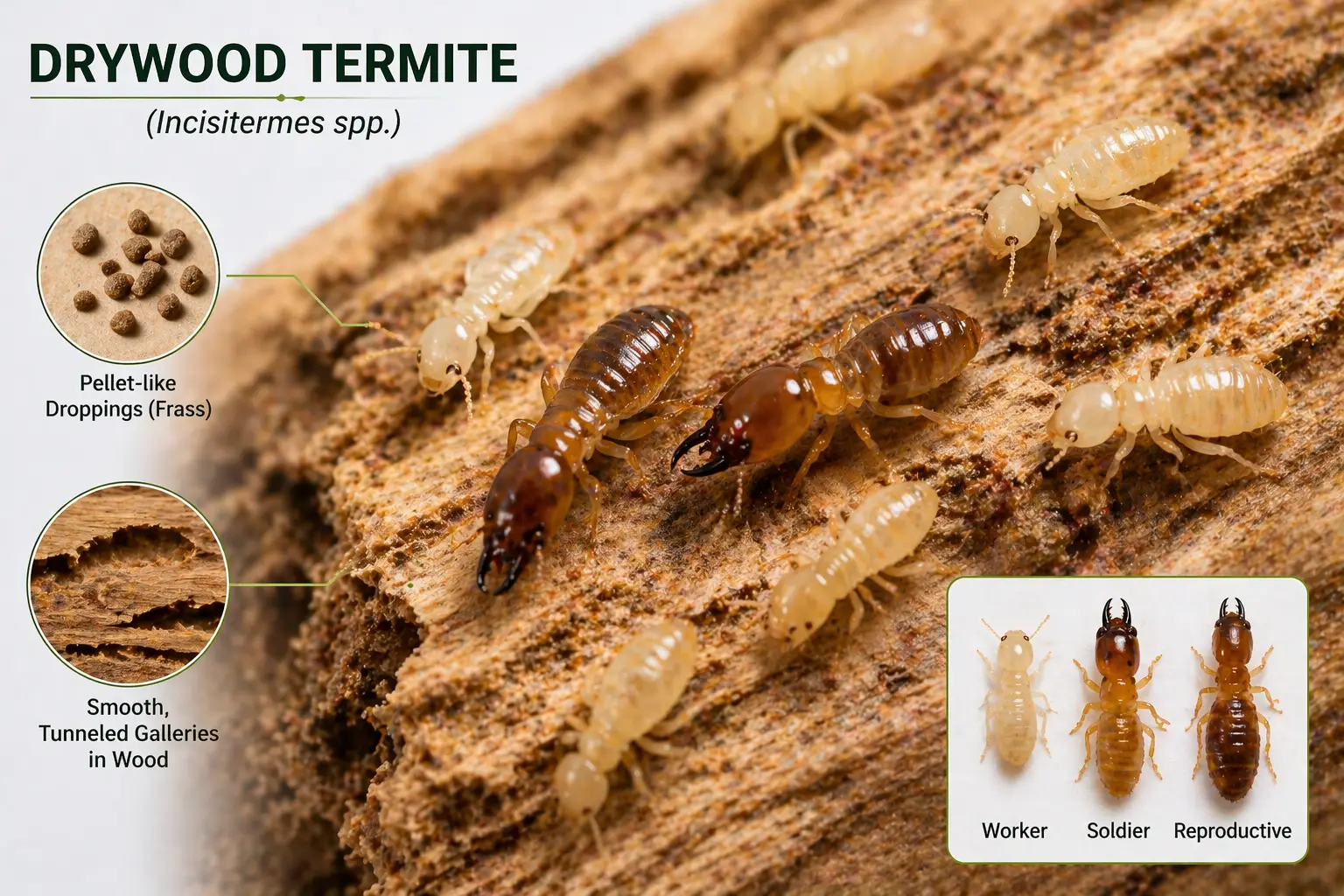
Drywood termites can establish colonies within dry structural wood without maintaining a direct connection to the soil. Fascia, trim, roof components, porches, garages, and other wooden portions of established Covina homes can provide concealed locations.
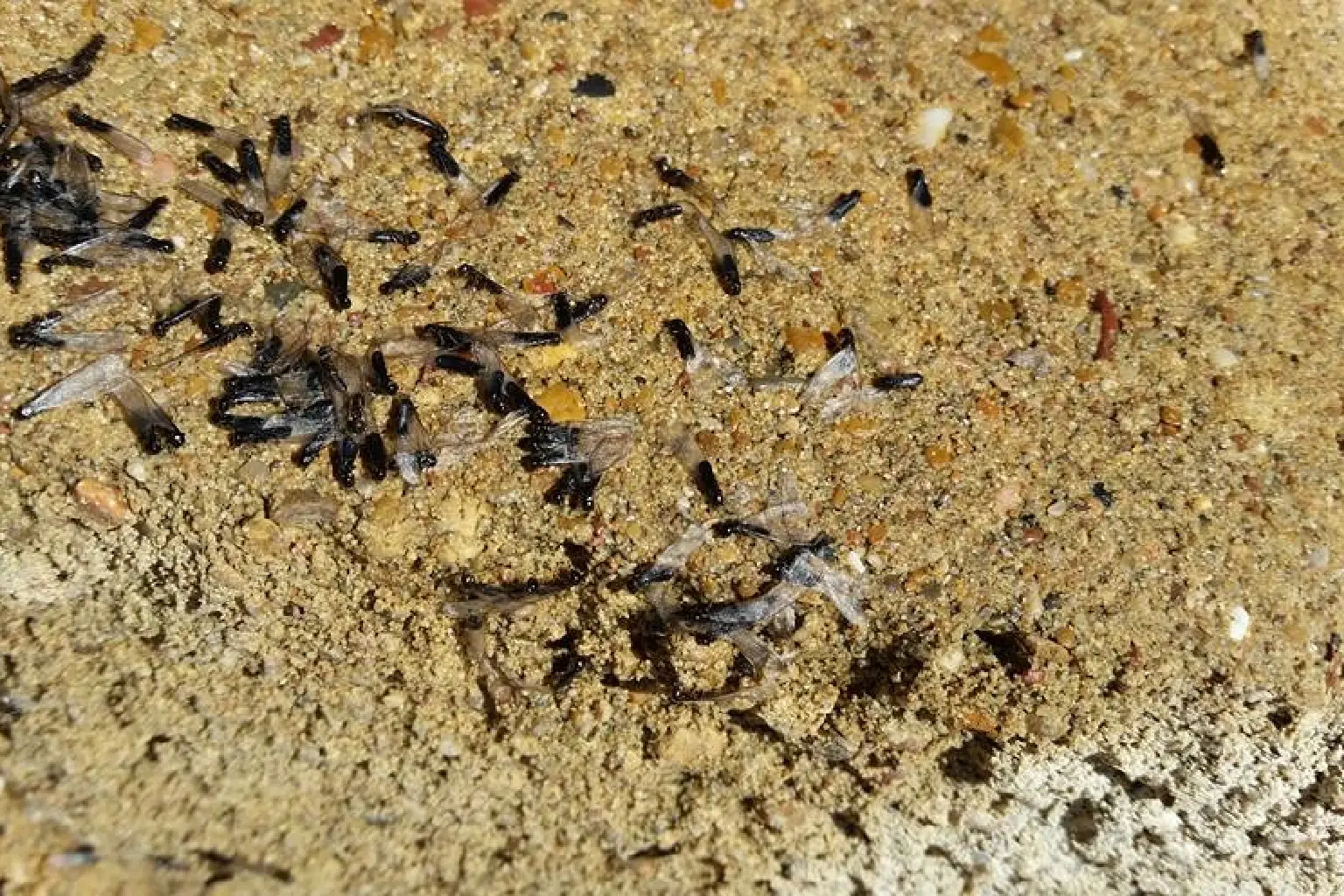
Subterranean termites rely on soil and moisture and can approach structures through foundation edges, cracks, landscaping contact, utility penetrations, and other protected pathways. Irrigation and damp areas near the home deserve particular attention.

Warm inland conditions and access to irrigated landscaping can make Argentine ants a persistent nuisance. They can establish trails along exterior walls and enter kitchens, bathrooms, patios, and other parts of the home while searching for food and water.
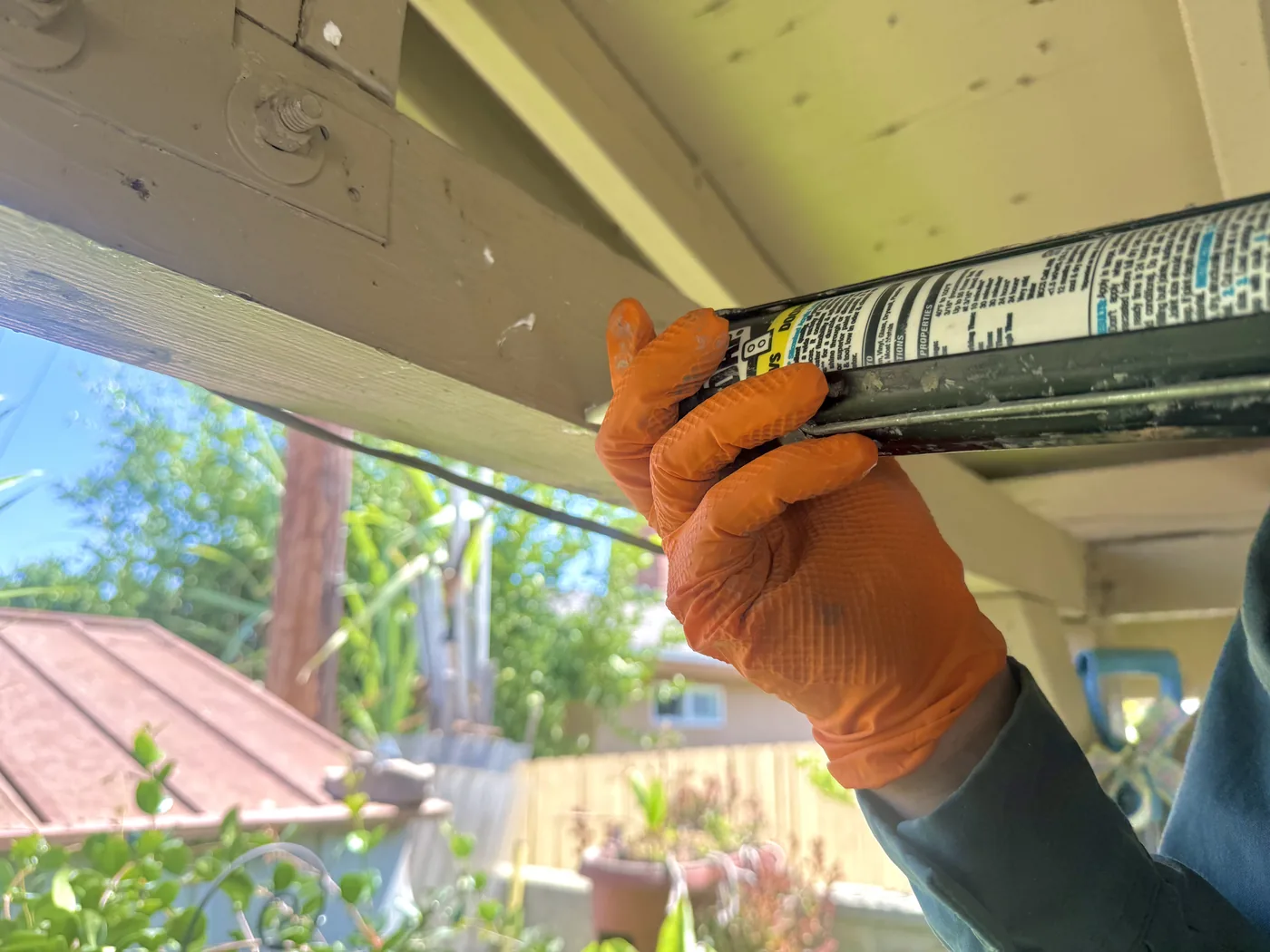
Mature trees, dense vegetation, garages, fences, sheds, attics, and storage spaces can provide shelter for rodents and spiders. Once an accessible opening is found, these pests may move from exterior harborage toward protected indoor areas.
Neighborhoods & Areas We Serve in Covina
Providing Service to Homes Throughout:
- Downtown Covina & Historic Core: Pest management for established homes near the city's central commercial district, with attention to aging exterior wood, garages, landscaping, ants, termites, rodents, and other recurring pests.
- Covina Hills & Northern Covina: Targeted service for properties closer to the foothill side of the city, where larger lots, mature vegetation, slopes, trees, and landscaped yards can create different pest conditions.
- South Covina & Citrus Avenue Corridor: Local pest control for established residential properties surrounded by mature landscaping, streets, commercial activity, and older exterior structures where termites, ants, rodents, and spiders may become recurring concerns.
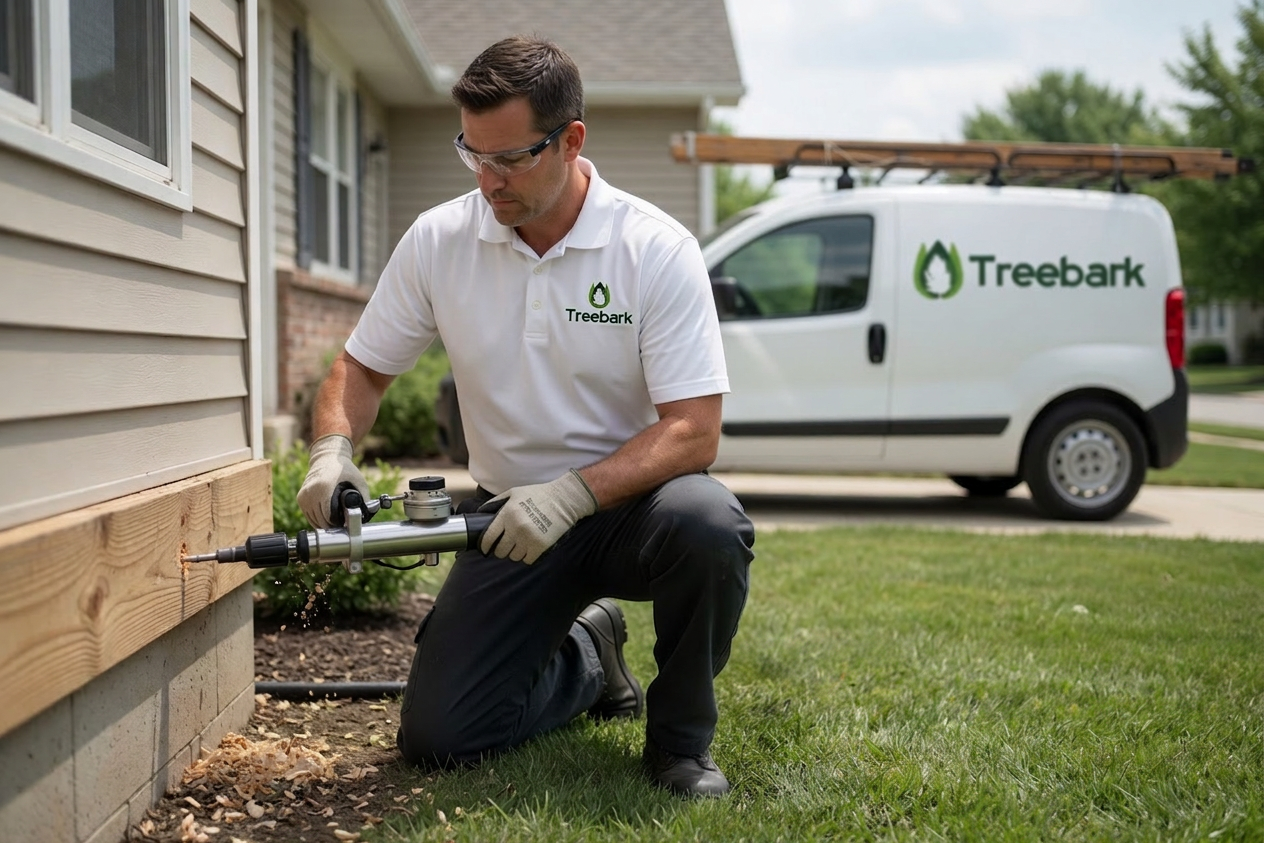
Environmental Drivers: Why Proactive Defense Matters in Covina
Covina's inland position means summer heat can be more pronounced than in many coastal Southern California communities. Warm temperatures can keep ants, spiders, cockroaches, and other pests active for extended periods while increasing the importance of proper irrigation and moisture management. Seasonal changes can also influence termite swarming and insect movement. Homeowners may notice more visible pest activity during particular periods, but the conditions supporting the infestation can exist well before the insects become obvious. Early inspection can help distinguish a seasonal nuisance from a larger property problem.
Covina's history is closely connected with citrus agriculture, and mature vegetation remains an important part of the community's residential character. The city's historical material describes the transformation of Covina into a major citrus-growing area during the late nineteenth and early twentieth centuries. Today, homeowners may have mature citrus and ornamental trees, lawns, shrubs, and irrigated planting beds around their properties. These features can provide shade and habitat for outdoor pests. When vegetation grows against structures or irrigation repeatedly reaches foundations, it can also make pest access easier.
Your Local San Gabriel Valley Experts: The Treebark Team
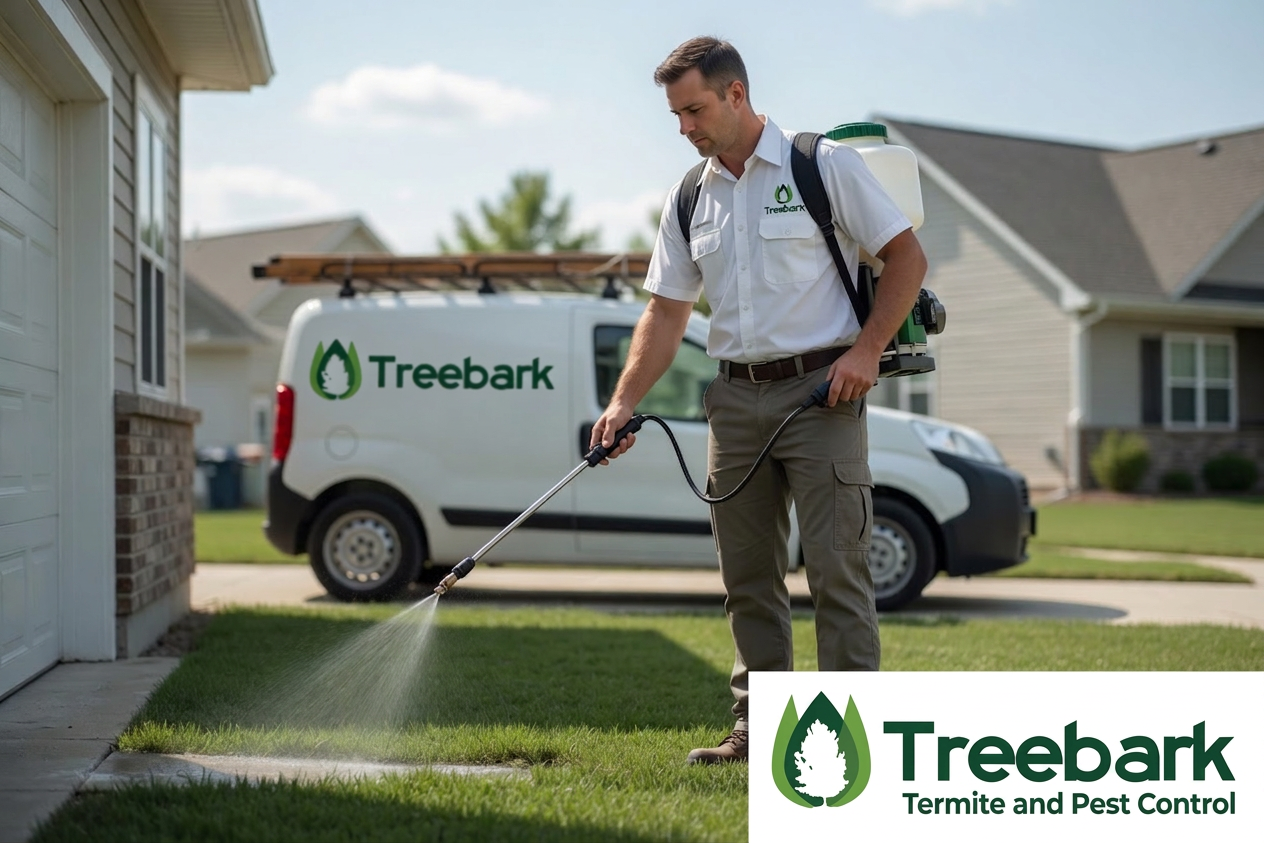

Frequently Asked Questions
Does Covina's citrus history have anything to do with today's residential pest problems?
My Covina home is older. Should I have it checked for termites?
Can mature citrus or other trees attract pests to my home?
Will treatment damage my lawn, citrus trees, or other landscaping?
Why do ants keep coming back after I spray them?
The Treebark Final Treatment: Lasting Peace of Mind

The Post-Treatment Experience:
- Immediate Return to Normalcy: When the selected treatment permits normal occupancy, your household can return to its regular routine after service is completed and the technician has provided any required instructions.
- Focused & Clean: Treatment is concentrated around identified pest activity and vulnerable areas rather than automatically applying the same approach throughout unaffected portions of the property.
- A Stronger Defense Against Recurring Activity: Correcting moisture issues, maintaining landscaping, sealing entry points, monitoring exterior wood, and reducing food sources can help make the property less attractive to recurring pest activity.
- Local, Reliable Support: Pest conditions can change with weather, irrigation, tree growth, construction, landscaping, and seasonal activity. If a new concern develops, a local inspection can help determine what has changed.
Services in Covina
- Termite Inspection
- Termite Control
- No-Tent Termite Treatment
- Drywood Termite Control
- Pest Control
- Rodent Control & Exclusion
Nearby Cities We Serve
- Pest Control in Azusa
- Pest Control in Walnut
- Pest Control in Glendora
- Pest Control in San Dimas
- Pest Control in Baldwin Park
- Pest Control in Duarte
- Pest Control in Bradbury
Calls answered 24/7: (888) 559-8816