
Safe, Tent-Free Pest Control for Claremont
- Complimentary, Zero-Obligation Home Inspections
- Simultaneous Termite Elimination & Nuisance Pest Control
- 100% Free From Toxic Tent Fumigation
- Naturally Derived, Child & Pet-Conscious Formula
- Independent, Locally Owned South County Specialists
Book a Pest
Control Treatment


The Foothill Threshold: Why Claremont Homes Are Under Attack
Claremont's development began during the late 1800s, and the community retains historic buildings and neighborhoods alongside later residential construction. The city's architectural guidelines specifically recognize its historic development, tree-lined streets, and diverse architectural resources. For homeowners, age and architectural character can create pest considerations that are easy to overlook. Exterior trim, roof components, wood siding, porches, garages, fences, and other original or replacement wood may have experienced decades of weather exposure and repairs. Drywood termites can remain hidden inside dry wood, making them particularly difficult to identify from casual observation. Small amounts of frass, discarded wings, blistering wood, or localized deterioration may be the first indication that a colony is present.
Claremont's location directly beneath the San Gabriel Mountains gives the northern portion of the community a very different landscape from flatter urban areas farther south. Mature trees, planted yards, natural vegetation, slopes, drainage patterns, and irrigation can all influence where moisture and shelter accumulate. Subterranean termites depend on soil contact and moisture as they move toward structures. Foundation edges, cracks, landscaping contact, damp soil, irrigation overspray, and concealed pathways can provide opportunities for activity to reach a home. The foothill environment also creates additional opportunities for spiders, ants, rodents, and other outdoor pests to move between vegetation and residential properties.
Claremont's urban forest is one of the defining features of the community. The city reports more than 25,000 City-maintained trees, while its urban forest planning materials note the long-standing importance of trees to Claremont's identity. Trees and landscaping do not automatically create pest problems, but mature vegetation can provide shade, nesting areas, organic debris, and protected travel routes. Branches close to roofs, dense planting beside walls, tree cavities, leaf accumulation, and irrigation around foundations can all deserve closer attention during a pest inspection.
Precision Risk Assessment: Inspecting Claremont Architecture
Examining older siding, trim, fascia, eaves, porches, exposed beams, decorative woodwork, and other components where Drywood termites can establish concealed colonies.
Checking areas where the structure meets soil, hardscape, landscaping, and grade changes for mud tubes, cracks, moisture, soil contact, and other conditions associated with subterranean termite access.
Inspecting the relationship between roof structures and nearby trees. Branches, leaf buildup, shaded roof sections, and concealed exterior wood can create opportunities for insects and other pests to remain close to the structure.
Evaluating sprinklers, planted borders, shrubs, groundcover, tree bases, and areas where water may accumulate. Excess moisture around the home can encourage termite and nuisance-pest activity.
Reviewing garages, storage spaces, sheds, workshops, and accessible attic areas for rodent entry, termite evidence, nesting, damaged seals, and other concealed pest pathways.
Checking wooden fencing, gates, patios, retaining areas, and backyard structures for deterioration, termite activity, rodent shelter, and conditions that may allow outdoor pest populations to establish close to the home.
The Treebark Advantage: Smarter Science for Claremont Homes
| Factor | The Outdated Tenting Process | The Treebark Advantage |
|---|---|---|
| Active Agents | Whole-structure fumigation using volatile gases | Targeted application using a specialized pest-control compound |
| Family Logistics | May involve extensive preparation and temporary relocation | Designed to minimize unnecessary household disruption |
| Property Access | Requires preparation to enclose the entire structure | Focused service can be performed around identified problem areas |
| Treatment Focus | Treats the entire structure as one enclosed space | Concentrates on identified pest activity and vulnerable areas |
| Preventative Power | Addresses the existing infestation | Combines treatment with inspection and identification of contributing conditions |
Local Case Study: Finding Hidden Termite Activity in a Claremont Home
The Discovery
The Accurate Diagnosis
The Treebark Solution
- Timeline: The treatment schedule is determined by the affected areas, inspection findings, and selected treatment method.
- Disruption: The objective is to avoid unnecessary household preparation and keep normal routines intact whenever the treatment protocol allows.
- Outcome: The active termite concern is addressed while the homeowner receives practical guidance about additional areas that should be monitored or protected.
The Specific Pests Plaguing Claremont Properties
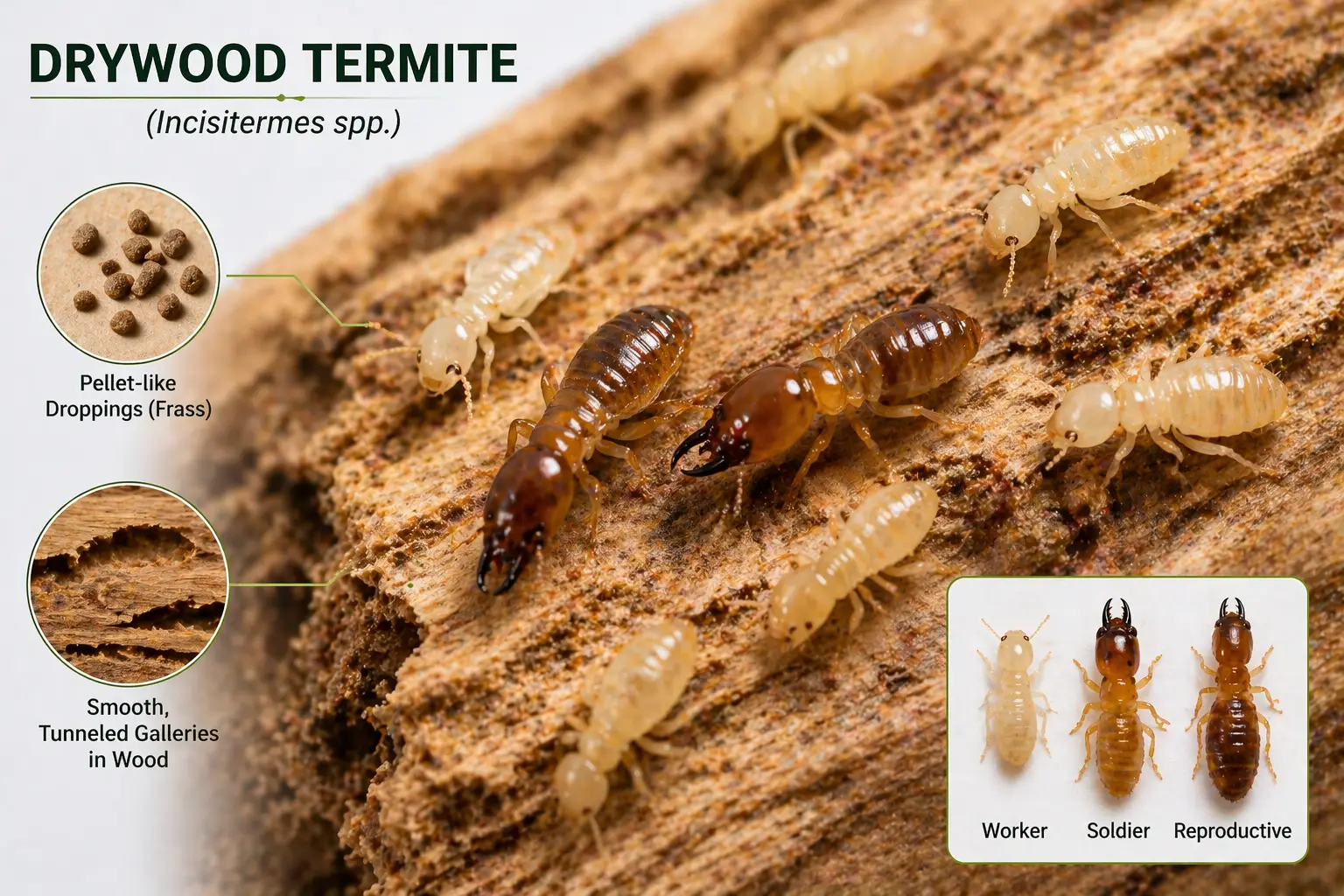
Drywood termites can establish colonies inside dry wood without needing direct soil contact. Older roof components, fascia, trim, exposed wood, garages, porches, and other wooden features can provide concealed locations where activity develops unnoticed.
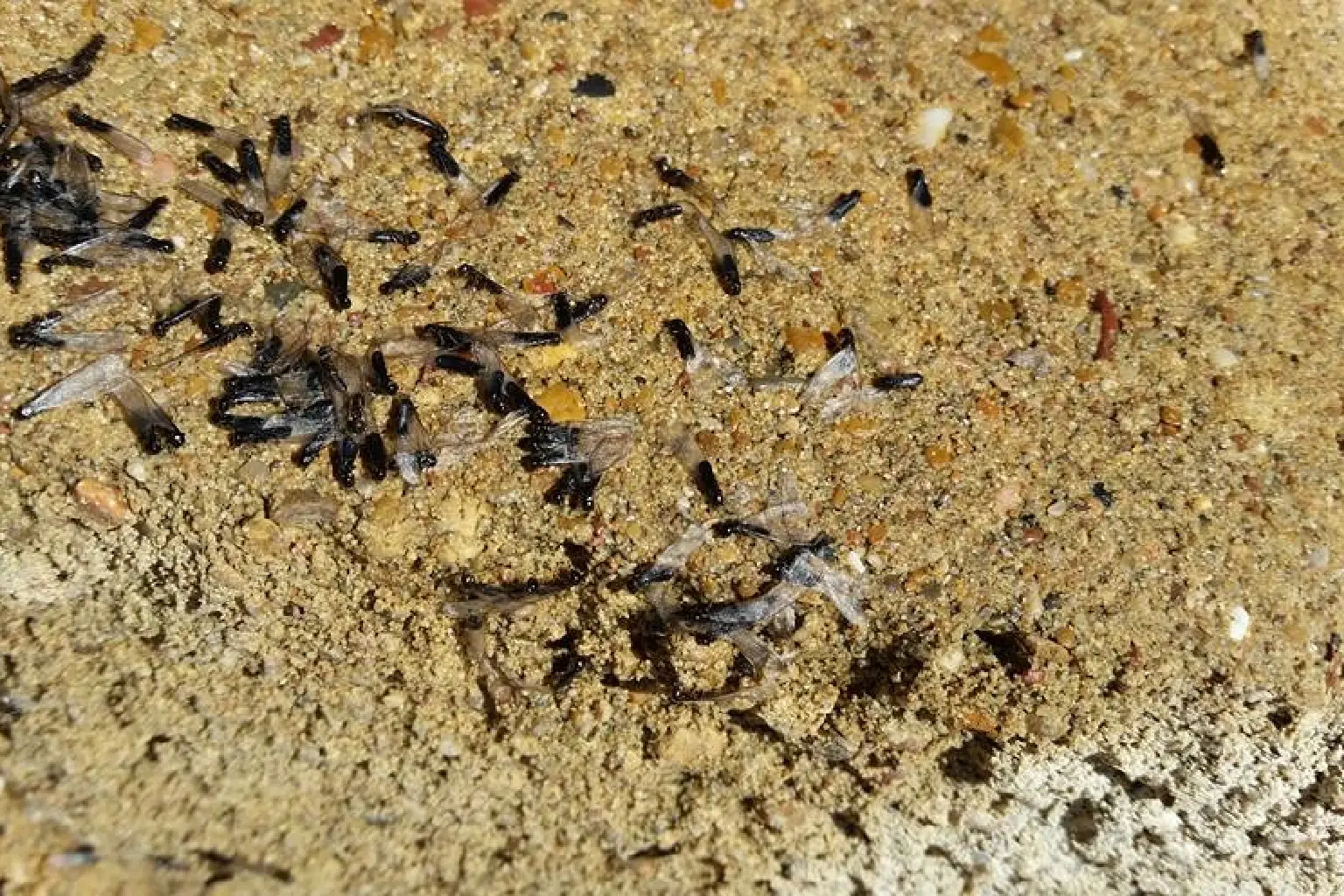
Subterranean termites can approach homes through soil and moisture-related pathways around foundations. Irrigation, landscaping contact, damp areas, cracks, and concealed foundation routes can make portions of a property more vulnerable.

Ants can become persistent household pests when they have dependable access to water, food, and protected travel routes. They may move from gardens, trees, irrigation areas, and exterior walls into kitchens, bathrooms, and other parts of the home.

Claremont's mature vegetation and foothill setting can provide shelter for rodents and spiders around yards, garages, storage areas, trees, fences, and other protected spaces. Once an accessible opening is found, these pests can move closer to indoor living areas.
Neighborhoods & Areas We Serve in Claremont
Providing Service to Homes Throughout:
- Claremont Village & Historic Neighborhoods: Pest control for established homes where mature trees, older woodwork, historic architectural features, landscaping, and aging exterior components can create unique termite and nuisance-pest concerns.
- North Claremont & Foothill Properties: Targeted service for homes closer to the San Gabriel Mountain foothills, where mature vegetation, elevation changes, natural habitat, irrigation, and expansive landscaping can influence pest activity.
- South Claremont & Claremont Colleges Area: Pest management for established residential properties around the colleges and southern neighborhoods, with attention to landscaping, trees, older structures, garages, foundations, and recurring nuisance pests.
Environmental Drivers: Why Proactive Defense Matters in Claremont
Claremont sits at the base of the San Gabriel Mountains beneath Mt. San Antonio, giving the city a distinctive foothill setting. Homes closer to the foothills can have more direct interaction with mature vegetation, natural habitat, slopes, drainage features, and wildlife corridors. That does not mean every foothill property has a pest problem, but it can increase the importance of inspecting exterior areas where vegetation, soil, moisture, and the structure meet. Seasonal changes can also influence termite swarming, ant movement, spider activity, and rodent behavior, making early detection particularly useful.
Trees have been part of Claremont's identity since the community's earliest development. The city's urban forest materials describe a long history of residents planting and maintaining trees, eventually helping establish the community's reputation as the "City of Trees and PhDs." For pest management, mature trees deserve attention where branches approach roofs, roots or planting areas remain close to foundations, leaf litter accumulates against structures, or irrigation creates persistent moisture. These conditions can provide shelter and travel routes for insects and rodents even when the home itself is well maintained.
Your Local South County Experts: The Treebark Team


Frequently Asked Questions
My Claremont home is an older or historic property. Does that make it more vulnerable to termites?
Does living near the San Gabriel Mountains increase my pest risk?
Can mature trees around my home contribute to pest problems?
Will pest treatment harm my landscaping or historic features?
Why do ants keep returning to my Claremont home?
The Treebark Final Treatment: Lasting Peace of Mind

The Post-Treatment Experience:
- Immediate Return to Normalcy: When the selected treatment permits normal occupancy, your household can return to its regular routine after the technician has completed service and provided any required instructions.
- Focused & Clean: Treatment is directed toward the areas identified during inspection rather than automatically applying the same approach throughout every part of the property.
- A Stronger Defense Against Recurring Activity: Maintaining exterior seals, managing irrigation, trimming vegetation away from structures, monitoring vulnerable wood, and correcting moisture issues can reduce opportunities for pests to return.
- Local, Reliable Support: Pest conditions can change with weather, landscaping, tree growth, construction, irrigation, and seasonal activity. If a new concern appears, a local inspection can help determine what has changed and what should happen next.