Next-Gen Termite & Pest Control in Red Hill
- Complimentary, Zero-Obligation Home Inspections
- Simultaneous Termite Elimination & Nuisance Pest Control
- 100% Free From Toxic Tent Fumigation
- Naturally Derived, Child & Pet-Conscious Formula
- Independent, Locally Owned South County Specialists
 (888) 559-8816Calls answered 24/7
Book your visit online
Pick a service, enter your ZIP and choose an open time. Serving Los Angeles, Orange and Riverside Counties.
Online booking is briefly unavailable
Call or text (888) 559-8816, calls answered 24/7.
Call (888) 559-8816Dry run: what would happen
Prefer to talk? Call (888) 559-8816. Calls answered 24/7.


The 60-Year Legacy Threshold: Why Red Hill Homes Are Under Attack
The premium lumber framing Red Hill’s classic ranch and mid-century homes has been expanding, contracting, and weathering under the Southern California sun for over half a century. Any chemical pre-treatments applied during the original builds have entirely degraded decades ago. Your exposed ceiling beams, cantilevered hillside decks, and classic wood fascia are now perfectly cured, dry, and highly attractive to Drywood termites, which ride the intense Santa Ana winds out of the foothills to infiltrate your property from the roof down.
Red Hill is famous for its massive, sprawling lots heavily shaded by mature pines, eucalyptus, and dense groundcover like ivy. Decades of deep root growth and heavy irrigation have severely altered the soil conditions directly against your home. This dense shade traps immense amounts of water, creating an artificially damp hillside environment. Subterranean termites thrive in these constantly moist conditions, constructing hidden mud tubes from the wet earth to quietly exploit settling cracks in your aging foundation or raised crawlspaces, devouring structural supports from the ground up.
Living beneath a massive, unbroken canopy of historic trees is a major lifestyle perk, but it places your property directly in a highly active wildlife zone. Invasive Argentine ants, roof rats, field mice, and spiders utilize the overlapping branches, dropping leaf litter, and thick ivy as natural superhighways, migrating from the trees directly into your vintage attics, detached garages, and living spaces when seasonal temperatures shift.
Precision Risk Assessment: Inspecting Red Hill Architecture
Analyzing the heavy timber fascia boards and exposed eaves common in 1960s architecture, where wind-blown Drywood swarmers easily bypass aging exterior caulking.
Probing the dark, damp voids beneath classic ranch homes for termite mud tubes, moisture rot, and rodent harborage.
Inspecting the critical soil-to-stucco transitions along terraced, ivy-covered lots—the most notorious infiltration point for moisture-driven subterranean termites.
Evaluating the structural posts and hollow voids beneath custom wooden viewing decks overlooking the Orange County basin.
Checking where heavy tree branches overhang or physically touch the roofline, providing direct access for roof rats and carpenter ants.
Spotting the faint, sand-like droppings (frass) that signal Drywood termites are actively consuming your original wood siding, windowsills, and decorative beams.
The Treebark Advantage: Smarter Science for Historic Estates
| Factor | The Outdated Tenting Process | The Treebark Advantage |
|---|---|---|
| Active Agents | Harsh, highly volatile synthetic gases | A naturally derived, biomimetic compound |
| Family Logistics | Mandatory hotel stays; exhausting physical prep | Zero prep work; completely non-disruptive to your schedule |
| Asset Protection | Heavy tarps and walking crews frequently shatter fragile, aging roofing materials | Localized interior/exterior treatment requires zero weight or foot traffic on your historic roofline |
| Safety Profile | Dangerous to mammals, pets, and local wildlife | Specifically targets insect biology; inherently safe for children, dogs, and native owls/hawks |
| Preventative Power | Gas dissipates instantly; leaving the home completely defenseless | Bonds at a molecular level to the structure for up to 10 years of ongoing security |
Local Case Study: Rescuing a Mid-Century Modern Marvel
The Discovery
The Accurate Diagnosis
The Treebark Solution
- Timeline: Executed flawlessly in a single afternoon without disrupting the family's schedule.
- Disruption: Absolute zero. No hotel bookings, no boarding the cats, and zero weight placed on the historic roof.
- Outcome: The swarming ceased instantly, the subterranean colony collapsed within 72 hours, and the vintage home is now permanently fortified to block any future moisture-driven incursions.
The Specific Pests Plaguing Red Hill Properties
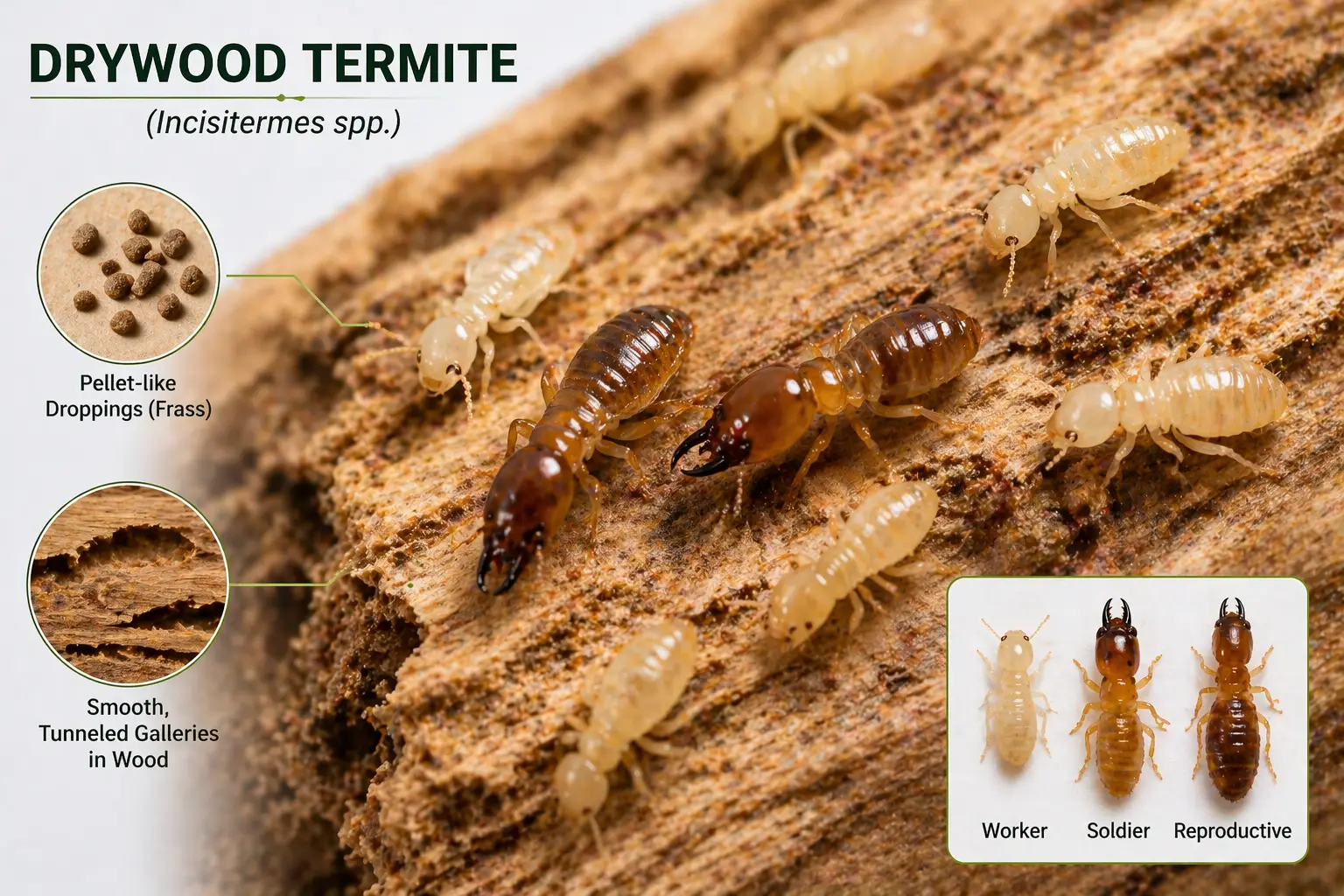
The primary threat to 1950s-1970s roofing, exposed beams, and original siding. They launch aggressive swarms in the late summer, riding the Santa Ana winds to infest your home from the top down.
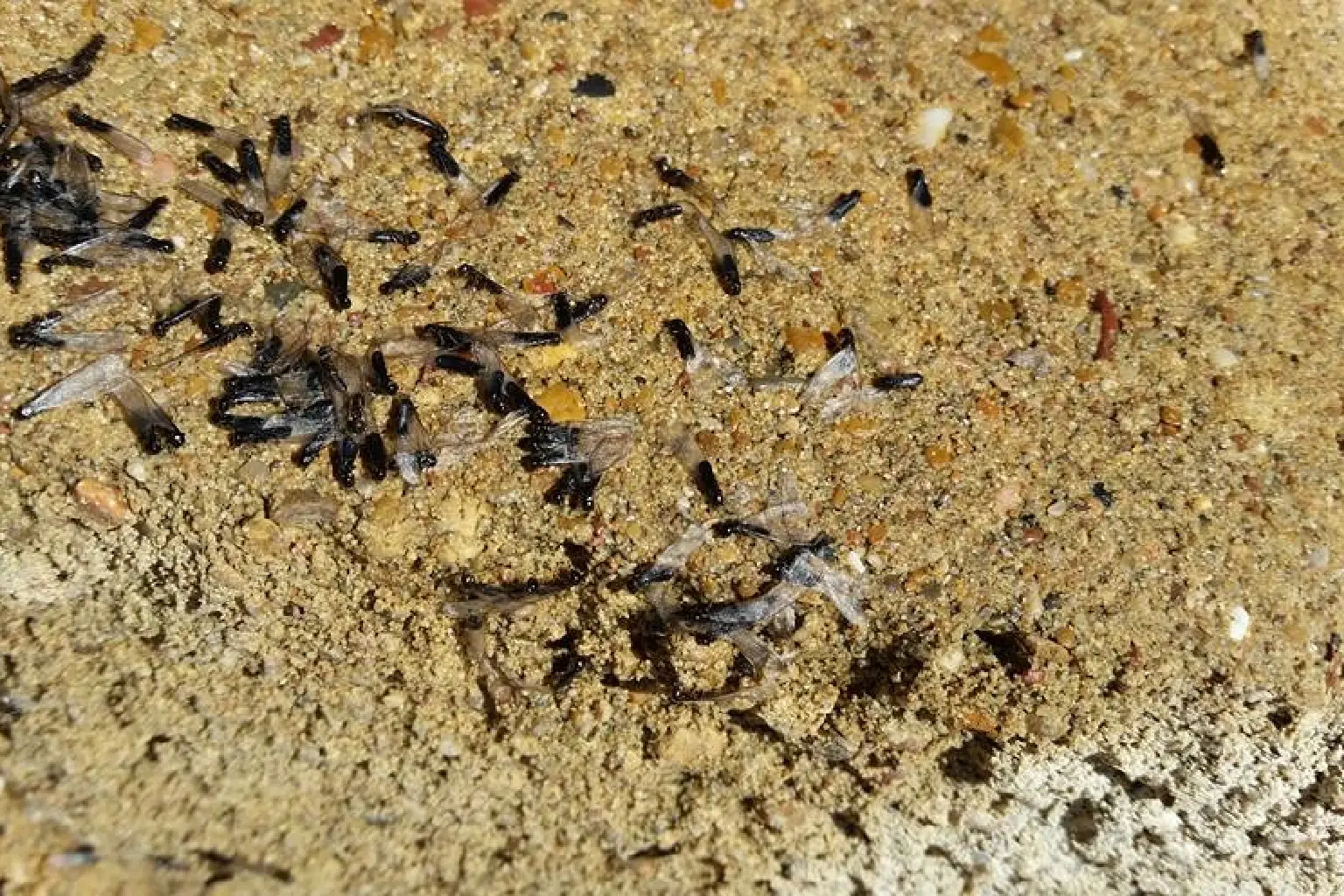
Fueled by decades of deep root watering and dense, shaded ivy, these silent destroyers construct mud tubes from the damp earth, discreetly eating away at the structural skeleton of your lower levels.

The supreme nuisance of Orange County. During summer heatwaves, these massive super-colonies retreat from the drying hillsides and march directly into your kitchen and bathrooms in search of hydration.
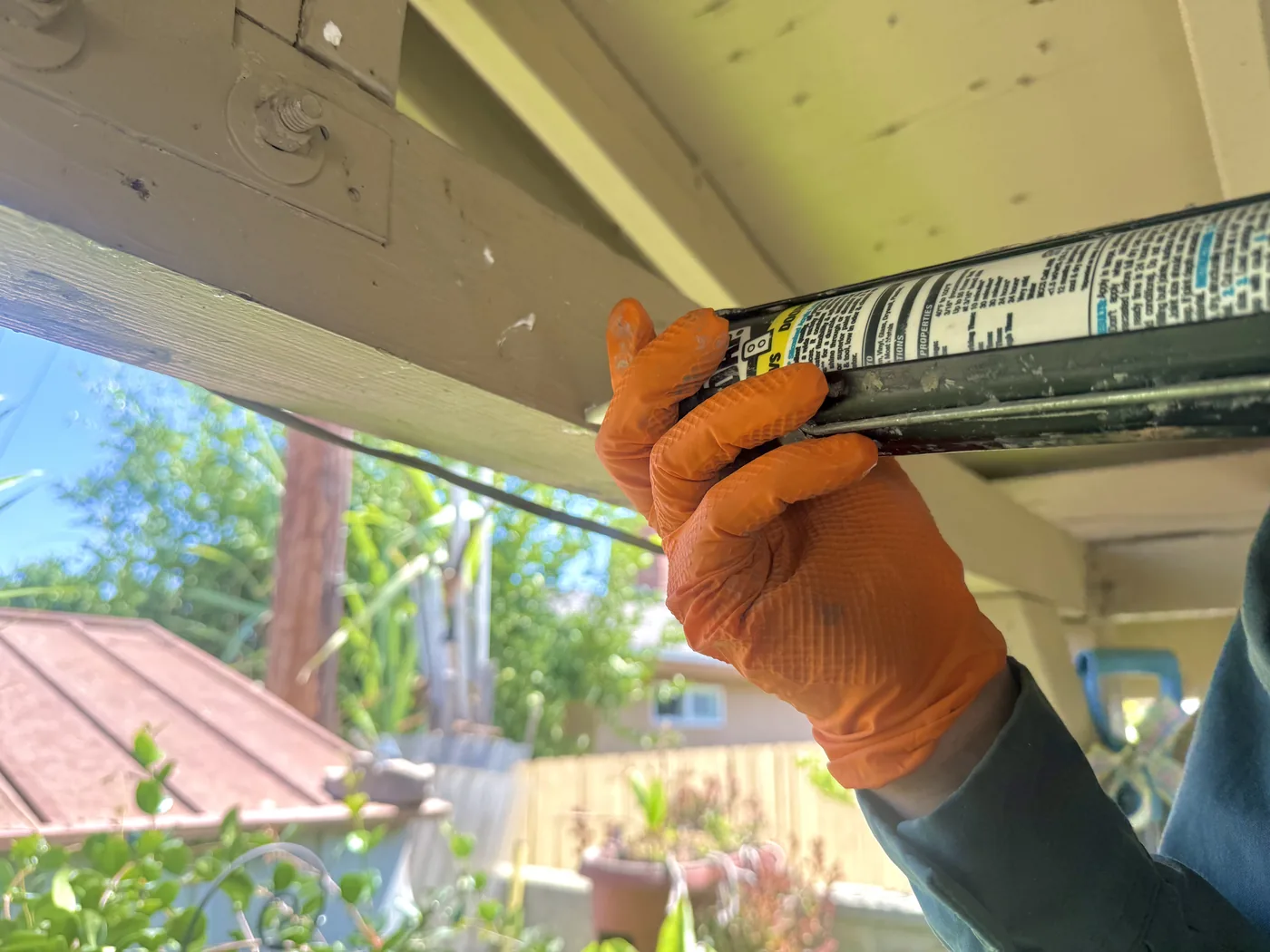
The towering eucalyptus and pine trees bordering the community provide ideal shelter and food sources for roof rats, field mice, and black widows, which inevitably seek refuge inside your warm attic and attached garages as winter approaches.
Neighborhoods & Zones We Serve on Red Hill
Providing Seamless Service to Homes in:
- Red Hill Peak & Panorama Drive: Elite-level, robust protection tailored for properties exposed to heavy wind currents, focusing on wind-blown Drywood termite prevention and preserving custom mid-century rooflines.
- North Tustin Border Estates: Fortifying classic ranch homes with deep crawlspaces against extreme subterranean termite pressure and seasonal ant migrations.
- Heavily Wooded & Ivy-Covered Lots: Highly targeted, localized treatments perfectly suited to protect properties engulfed by mature canopies against extreme rodent pressure and pest harborage.
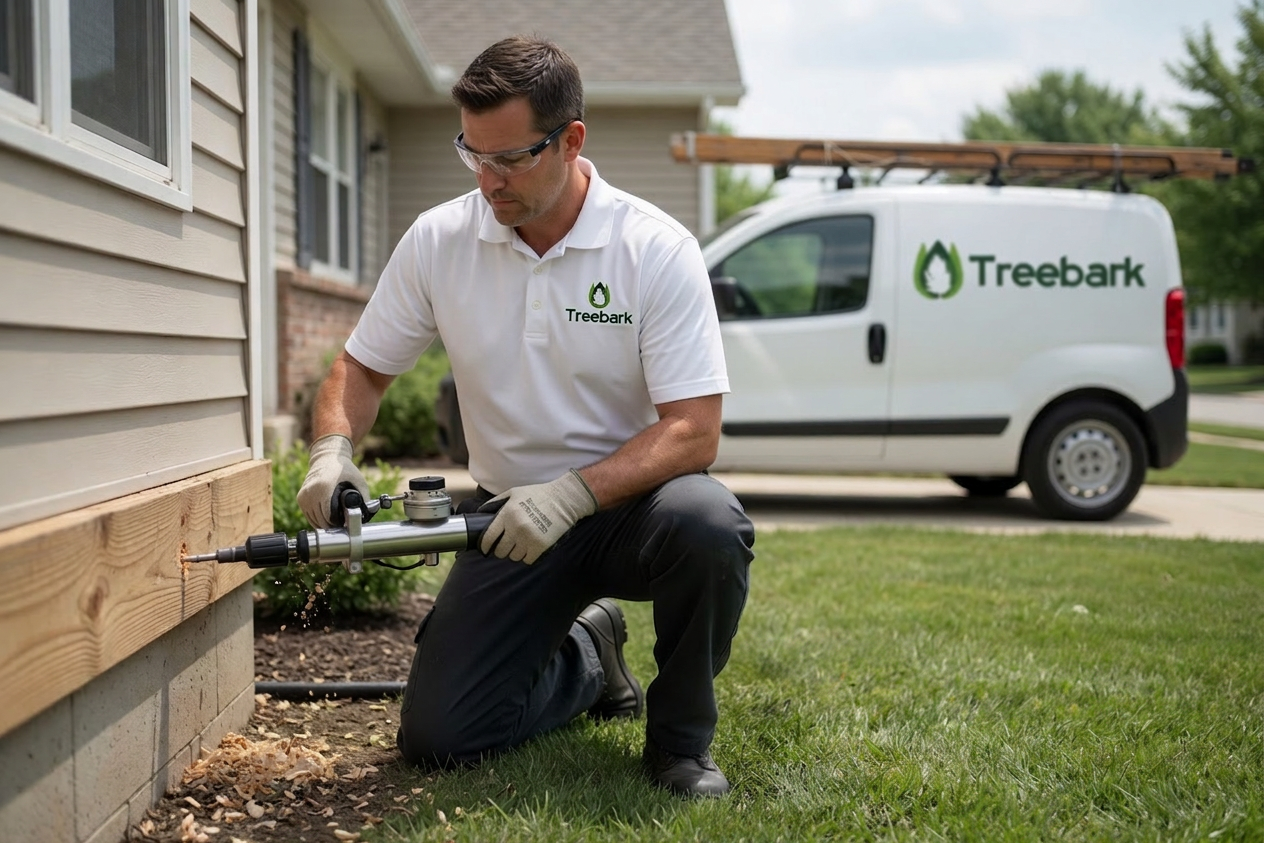
Environmental Drivers: Why Proactive Defense is Crucial Here
Positioned as a prominent geographic high point, Red Hill bears the direct brunt of seasonal Santa Ana winds blowing out of the canyons. These powerful gusts serve as a high-speed transit system for Drywood termite swarmers, capable of blowing thousands of reproducing termites from dead timber directly onto your home's exposed eaves.
The community is famous for its massive, towering trees and lush, thick groundcovers. While visually stunning, these elements create deep shade that blocks sunlight from ever reaching the soil against your foundation. This creates isolated microclimates all over your property where subterranean termites and rodents can thrive entirely undetected, insulated from the hot Southern California sun.
Your Local Orange County Experts: The Treebark Team

Frequently Asked Questions
My Red Hill home was custom-built in 1962. Is it safe to treat a home this old?
Our driveway is incredibly steep and winds up the hill. Can your trucks reach us?
Is the Treebark formula truly safe for my family, pets, and the local wildlife?
How quickly can you stop roof rats migrating from the trees into my attic?
Do I need approval from the city for your treatment?
The Treebark Final Treatment: Lasting Peace of Mind

The Post-Treatment Experience:
- Immediate Return to Normalcy: There are zero lock-out periods. Your family can instantly return to the living room or enjoy the hilltop views from the deck the moment our discrete service vehicles pull away.
- Odorless & Clean: Our biomimetic formulas are completely scent-free and leave absolutely no greasy residues, chalky films, or stains behind.
- A Decade of Defiance: Your property is equipped with an active, ten-year biological defense mechanism against summer ant surges, subterranean soil breaches, and wind-blown termite migrations.
- Local, Reliable Support: Should an extreme foothill wind event ever drive pests to test our barrier, your dedicated, local team is just one phone call away, standing by to ensure your historic home remains an impenetrable fortress.
What Red Hill-Area Homeowners Say
Real Google reviews from our Orange Google profile.
“Isaiah did a great job on our treatment! Thorough job on such a hot day, and stayed till we made sure all areas were completed. Also Cesar came out to help with second story and even helped me with a pest problem! Great services!”
Susan C. · via Google (Orange profile)
“I had a great experience with Treebark Termite and Pest Control. Their team was professional, knowledgeable, and arrived on time. They thoroughly inspected the property, explained the treatment process clearly, and addressed all of my concerns.”
Kev S. · via Google (Orange profile)
“I’m very happy with my experience with Treebark termite and pest control. I was provided great customer service and easy payment options on my phone. The treebark FieldPortal app made it easy to access and view report after the Tech was done. John Anthony was my PestGuard Pro ,on this work site and gave me great service.”
Frank H. · via Google (Orange profile)
“A lovely man named Daniel Najera did a freeTermite inspection. He was not only delightful to meet but also very respectful and courteous. He called and texted several times to keep me updated on his time of arrival (which I appreciated). He was very thorough and professional. He is an excellent representative of this company.”
Marlene S. · via Google (Orange profile)
Services in Red Hill
- Termite Inspection
- Termite Control
- No-Tent Termite Treatment
- Drywood Termite Control
- Pest Control
- Rodent Control & Exclusion
Nearby Cities We Serve
- Pest Control in Cowan Heights
- Pest Control in El Modena
- Pest Control in Orange Park Acres
- Pest Control in Tustin
- Pest Control in Villa Park
- Pest Control in Orange
- Pest Control in Santa Ana
Calls answered 24/7: (888) 559-8816