Safe, Tent-Free Termite & Pest Control in Orange Park Acres
- Complimentary, Zero-Obligation Home Inspections
- Simultaneous Termite Elimination & Nuisance Pest Control
- 100% Free From Toxic Tent Fumigation
- Naturally Derived, Child & Pet-Conscious Formula
- Independent, Locally Owned South County Specialists
 (888) 559-8816Calls answered 24/7
Book your visit online
Pick a service, enter your ZIP and choose an open time. Serving Los Angeles, Orange and Riverside Counties.
Online booking is briefly unavailable
Call or text (888) 559-8816, calls answered 24/7.
Call (888) 559-8816Dry run: what would happen
Prefer to talk? Call (888) 559-8816. Calls answered 24/7.


The Legacy Threshold: Why Orange Park Acres Homes Are Under Attack
The structural wood in classic Orange Park Acres properties has been curing, drying, and weathering in the Southern California sun for decades. Once a home crosses the 20-to-25-year mark, original wood treatments wear off, and the timber becomes incredibly attractive to Drywood termites. As these pests swarm during the late summer, they find easy access into the attics, custom wood corbels, and expansive barn structures of the community’s aging properties.
To keep the pastures, wash racks, and riding arenas functional and dust-free, OPA properties rely on consistent irrigation and water usage. This constant watering permeates the soil deep into residential property lines. Subterranean termites—which require immense soil moisture to survive—flourish in these damp conditions. They establish massive underground colonies beneath OPA's sprawling lots, using the inevitable settling cracks in concrete slab foundations to quietly invade barns, guest houses, and primary residences.
Living steps away from beautifully maintained equestrian trails and natural canyon wilderness is a major perk, but it also means your home shares a direct border with nature. Argentine ants, field mice, roof rats, and spiders use these uninterrupted landscaping corridors and post-and-rail fences as highways to travel from the canyon brush directly into your feed rooms, garages, and kitchens.
Precision Risk Assessment: Inspecting OPA’s Architecture
Evaluating outbuildings for wood-to-ground contact, structural integrity, and rodent harborage zones near feed storage.
Checking the crucial transition point where exterior stucco meets the concrete slab, a notorious entry point for subterranean termites and ants.
Scanning architectural overlaps and sprawling single-story eaves where airborne Drywood swarmers easily bypass exterior defenses.
Evaluating the extensive wooden perimeter fences that line the trails and property boundaries for ground-level rot and pest activity.
Inspecting the void spaces beneath custom stone patios and fire pits that frequently hide rodent nests and moisture-loving pests.
Identifying the subtle "kick-out holes" that indicate Drywood termites are actively living inside your exterior wood trim.
The Treebark Advantage: Smarter Science for Busy Families
| Factor | The Outdated Tenting Process | The Treebark Advantage |
|---|---|---|
| Active Agents | Harsh, highly volatile synthetic gases | A naturally derived, plant-inspired compound |
| Family Logistics | Mandatory hotel stays; exhausting physical prep | Zero prep work; completely non-disruptive to your schedule |
| HOA Compliance | Often requires complex OPA Conservancy notifications | Localized, exterior/interior treatments require no special permits |
| Safety Profile | Dangerous to mammals, pets, and livestock | Specifically targets insect biology; inherently safe for children, dogs, and horses |
| Preventative Power | Gas dissipates instantly; leaving the home defenseless | Bonds to the structure for up to 10 years of ongoing security |
Local Case Study: Rescuing an Estate off Orange Park Boulevard
The Discovery
The Accurate Diagnosis
The Treebark Solution
- Timeline: Completed in a single morning while the family tended to their horses.
- Disruption: Zero. No hotel, no relocating livestock, no toxic residues left in the tack room.
- Outcome: The swarming stopped immediately, the subterranean colony collapsed within days, and the property is now fortified with a residual barrier to ensure those termites never return.
The Specific Pests Plaguing Orange Park Acres Properties
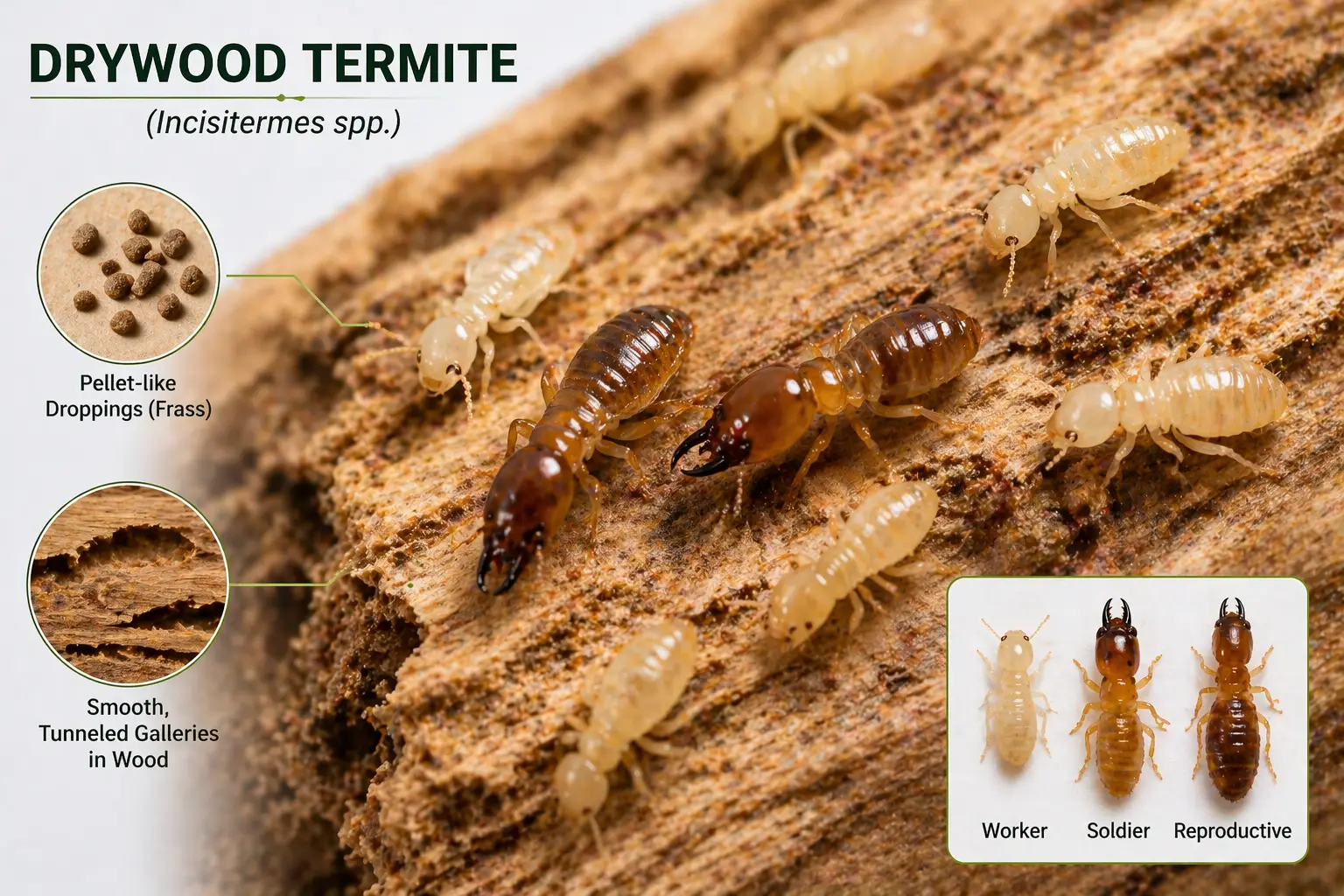
The primary threat to custom eaves, expansive rooflines, and aging barns. They swarm aggressively in the fall, riding the canyon breezes to colonize your property without ever touching the ground.
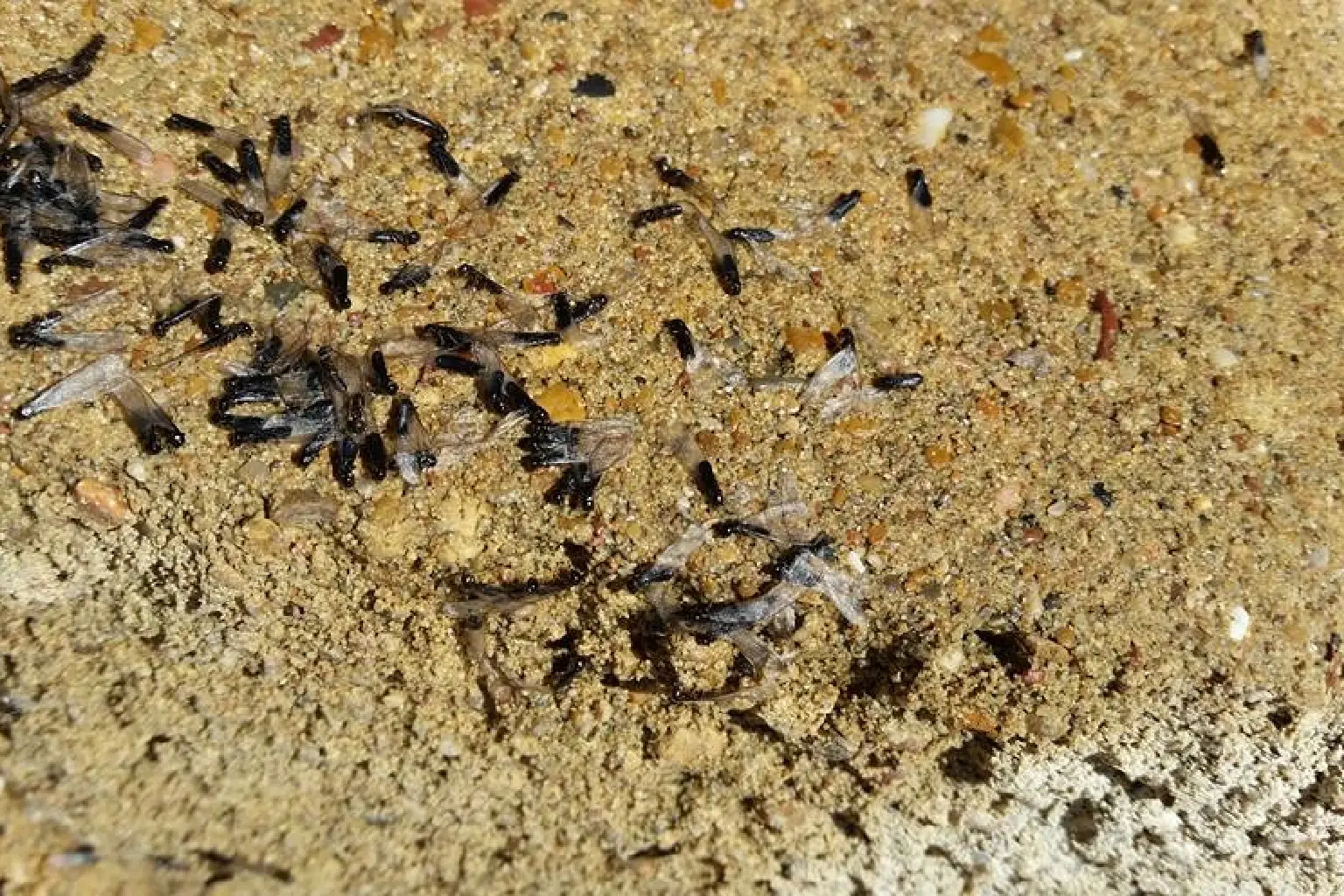
Driven by constant pasture irrigation and agricultural water use, these pests build hidden mud tubes up from the damp soil, quietly devouring the wall studs behind your drywall.

The ultimate nuisance pest in East Orange County. When canyon heat waves hit, these massive super-colonies abandon the trails and march directly into your kitchen and feed rooms in search of water and sugar.
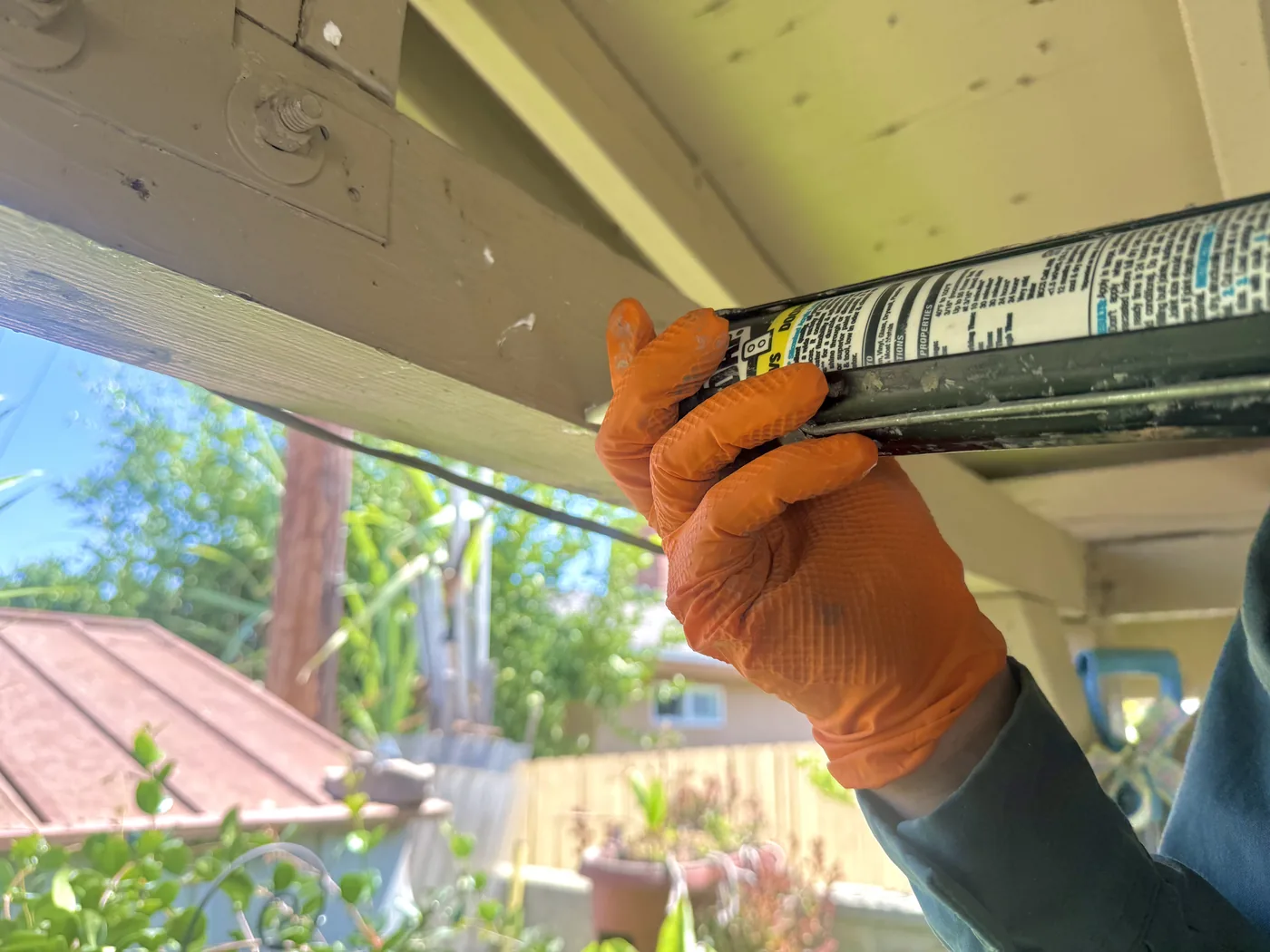
The dense, natural brush, woodpiles, and barns separating OPA properties offer perfect hiding spots for spiders, mice, and roof rats, which actively seek out animal feed and warmth as the seasons change.
Neighborhoods & Areas We Serve in Orange Park Acres
Providing Seamless Service to Homes in:
- Broadmoor & Ridgeline: Discreet, premium protection for large custom equestrian estates and complex wood architecture.
- Santiago Canyon Corridor: Guarding homes nestled immediately against the heavy natural brush, wildlife preserves, and hiking trails.
- The Reserve & Mabury Ranch: Zero-prep pest defense for pristine, high-end custom homes bordering the OPA community.
- Central Orange Park Acres: Targeted localized treatments ideal for classic, legacy ranch homes along Orange Park Blvd and Meats Ave where large-scale tenting is highly impractical.
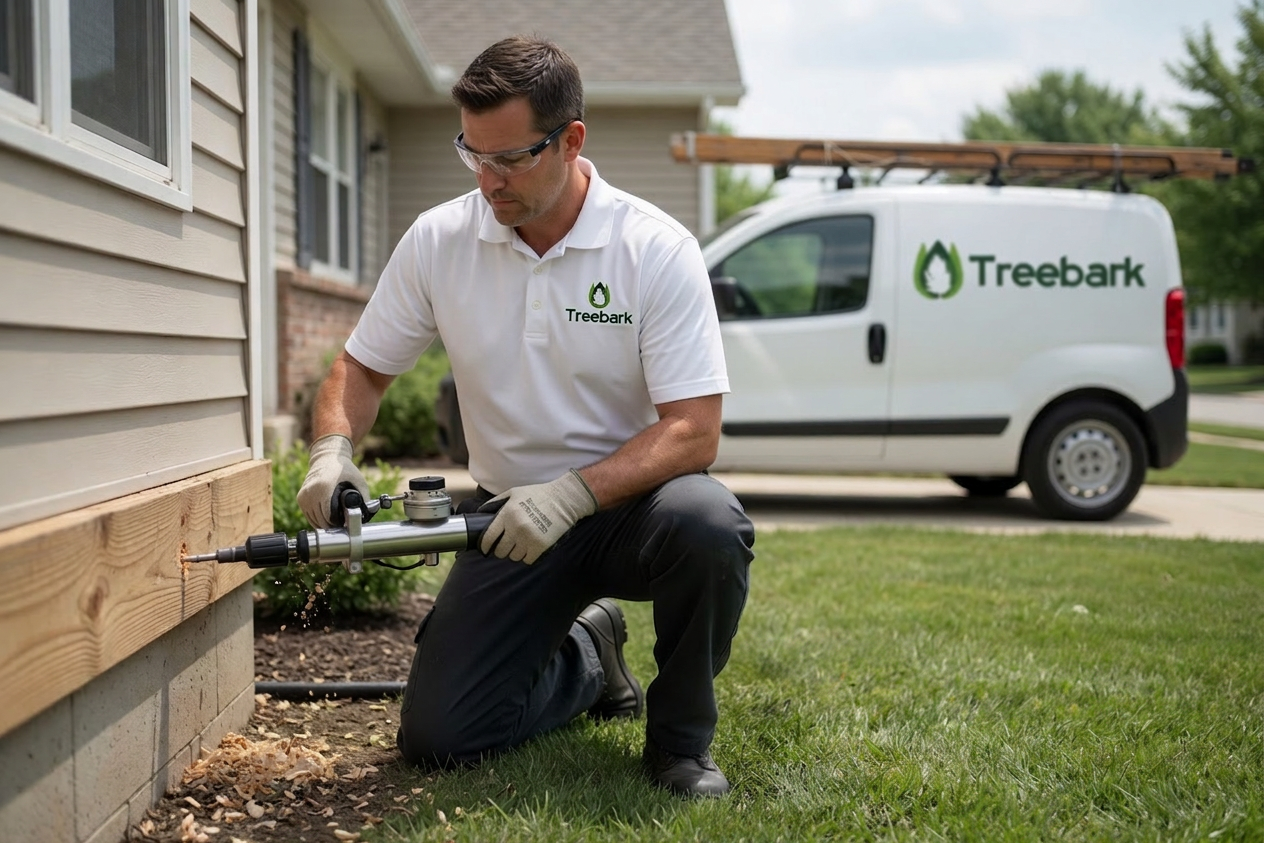
Environmental Drivers: Why Proactive Defense is Crucial Here
Built seamlessly into the foothills of the Santa Ana Mountains, OPA properties share a border with thousands of acres of untouched wilderness. This proximity means that native pest populations are constantly attempting to migrate from the wildlands into the artificially irrigated, climate-controlled environments of your home and barns.
While OPA features massive, low-density lots, the properties are physically connected through miles of continuous wooden post-and-rail fencing and overlapping mature tree canopies. When a property down the street develops a Drywood termite infestation, it is only a matter of time before their fall swarmers use the tree line to blow across the property line and onto your roof.
Your Local Orange County Experts: The Treebark Team


Frequently Asked Questions
My OPA home was totally rebuilt in 2015. Is it really old enough to get termites?
Do I need approval from the OPA Conservancy for your treatment?
Is the Treebark formula truly safe for my toddler, my dog, and my horses?
How quickly can you stop an ant invasion in my kitchen or feed room?
Will treating my home cause any damage to my landscaping or roof?
The Treebark Final Treatment: Lasting Peace of Mind

The Post-Treatment Experience:
- Immediate Return to Normalcy: There are absolutely no waiting periods. Your family can resume riding in the arena and living in the home the second we finish.
- Odorless & Clean: Our plant-inspired solutions are scent-free and leave zero sticky residues or stains on your property.
- A Decade of Defiance: Your home gains an active, ten-year biological defense against seasonal ant migrations, subterranean breaches, and wind-blown termite swarms.
- Local, Reliable Support: If extreme canyon weather ever pushes pests to test our barrier, your dedicated local team is just a phone call away, ready to maintain your property’s absolute defense.
What Orange Park Acres-Area Homeowners Say
Real Google reviews from our Orange Google profile.
“I’m very happy with my experience with Treebark termite and pest control. I was provided great customer service and easy payment options on my phone. The treebark FieldPortal app made it easy to access and view report after the Tech was done. John Anthony was my PestGuard Pro ,on this work site and gave me great service.”
Frank H. · via Google (Orange profile)
“A lovely man named Daniel Najera did a freeTermite inspection. He was not only delightful to meet but also very respectful and courteous. He called and texted several times to keep me updated on his time of arrival (which I appreciated). He was very thorough and professional. He is an excellent representative of this company.”
Marlene S. · via Google (Orange profile)
“I had a very impressive experience with Dave, he is very professional!! He checked my place carefully and he even explained to me and showed me the evidence of termites. And the price he gave to me is very reasonable! I would like to recommend him if you need someone to inspect your home and you won’t be disappointed!!!”
Yifan Y. · via Google (Orange profile)
“Isaiah did a great job on our treatment! Thorough job on such a hot day, and stayed till we made sure all areas were completed. Also Cesar came out to help with second story and even helped me with a pest problem! Great services!”
Susan C. · via Google (Orange profile)
Services in Orange Park Acres
- Termite Inspection
- Termite Control
- No-Tent Termite Treatment
- Drywood Termite Control
- Pest Control
- Rodent Control & Exclusion
Nearby Cities We Serve
- Pest Control in El Modena
- Pest Control in Cowan Heights
- Pest Control in Villa Park
- Pest Control in Red Hill
- Pest Control in Orange
- Pest Control in Anaheim
- Pest Control in Tustin
Calls answered 24/7: (888) 559-8816