
Safe, Tent-Free Pest Control for Hawaiian Gardens
- Complimentary, Zero-Obligation Home Inspections
- Simultaneous Termite Elimination & Nuisance Pest Control
- 100% Free From Toxic Tent Fumigation
- Naturally Derived, Child & Pet-Conscious Formula
- Independent, Locally Owned South County Specialists
Book a Pest
Control Treatment


The Compact-City Threshold: Why Hawaiian Gardens Homes Are Under Attack
Hawaiian Gardens' compact footprint means residential properties are often closely connected to neighboring homes, streets, alleys, fences, and other structures. Tight property boundaries can make exterior inspection more challenging and provide multiple potential pathways for ants, rodents, spiders, and other pests.
Coyote Creek and the Artesia-Norwalk Storm Drain are identified on the city's General Plan land-use map. These drainage features form part of the local physical environment and make drainage, vegetation, irrigation, and moisture conditions relevant when evaluating pest activity around nearby properties.
More than 25% of Hawaiian Gardens' land area is devoted to commercial and industrial uses, while Carson Street and Norwalk Boulevard function as important commercial axes through the community. Residential properties therefore exist within close proximity to businesses, parking areas, alleys, and other developed spaces that can influence pest movement and harborage.
Precision Risk Assessment: Inspecting Hawaiian Gardens Architecture
Limited side-yard space can make foundation areas difficult to access. We look for soil contact, vegetation, moisture, cracks, openings, and other conditions that may provide pests with concealed access.
Fascia, eaves, roof trim, window surrounds, and other exterior wood can become vulnerable as properties age. These areas deserve attention when investigating suspected drywood termite activity.
Closely spaced properties often share extensive fencing and gates. Aging wood along these boundaries can develop pest activity and may provide pathways between landscaping and structures.
Sprinklers, planters, downspouts, drainage routes, and other water-management features can create localized moisture conditions. These areas are particularly important when investigating recurring ants or subterranean termite activity.
Garages, patio structures, storage areas, and other secondary spaces can contain aging wood and sheltered areas that receive less attention than the primary living space.
Urban properties near commercial corridors may have alleys, paved side areas, trash enclosures, storage zones, or other exterior spaces that provide potential harborage for rodents and insects.
The Treebark Advantage: Smarter Science for Hawaiian Gardens Homes
| Treatment Consideration | Traditional Tenting | Treebark Approach |
|---|---|---|
| Treatment Method | Whole-structure fumigation | Targeted treatment based on inspection findings |
| Household Logistics | Occupants generally vacate | Designed to minimize unnecessary disruption where appropriate |
| Preparation | Extensive preparation may be required | Preparation depends on selected treatment |
| Treatment Area | Entire structure enclosed | Identified areas addressed according to pest conditions |
| Property Strategy | Primarily focused on existing infestation | Inspection-led treatment with attention to contributing conditions |
Local Case Study: Identifying Pest Pathways in a Compact Hawaiian Gardens Home
The Discovery
The Accurate Diagnosis
The Treebark Solution
- Timeline: Inspection and treatment planning were organized around the property's accessibility and specific findings.
- Disruption: A targeted strategy helped limit unnecessary household interruption where appropriate.
- Outcome: The homeowner received a clearer understanding of the pest pathway and the conditions requiring continued attention.
The Specific Pests Plaguing Hawaiian Gardens Properties
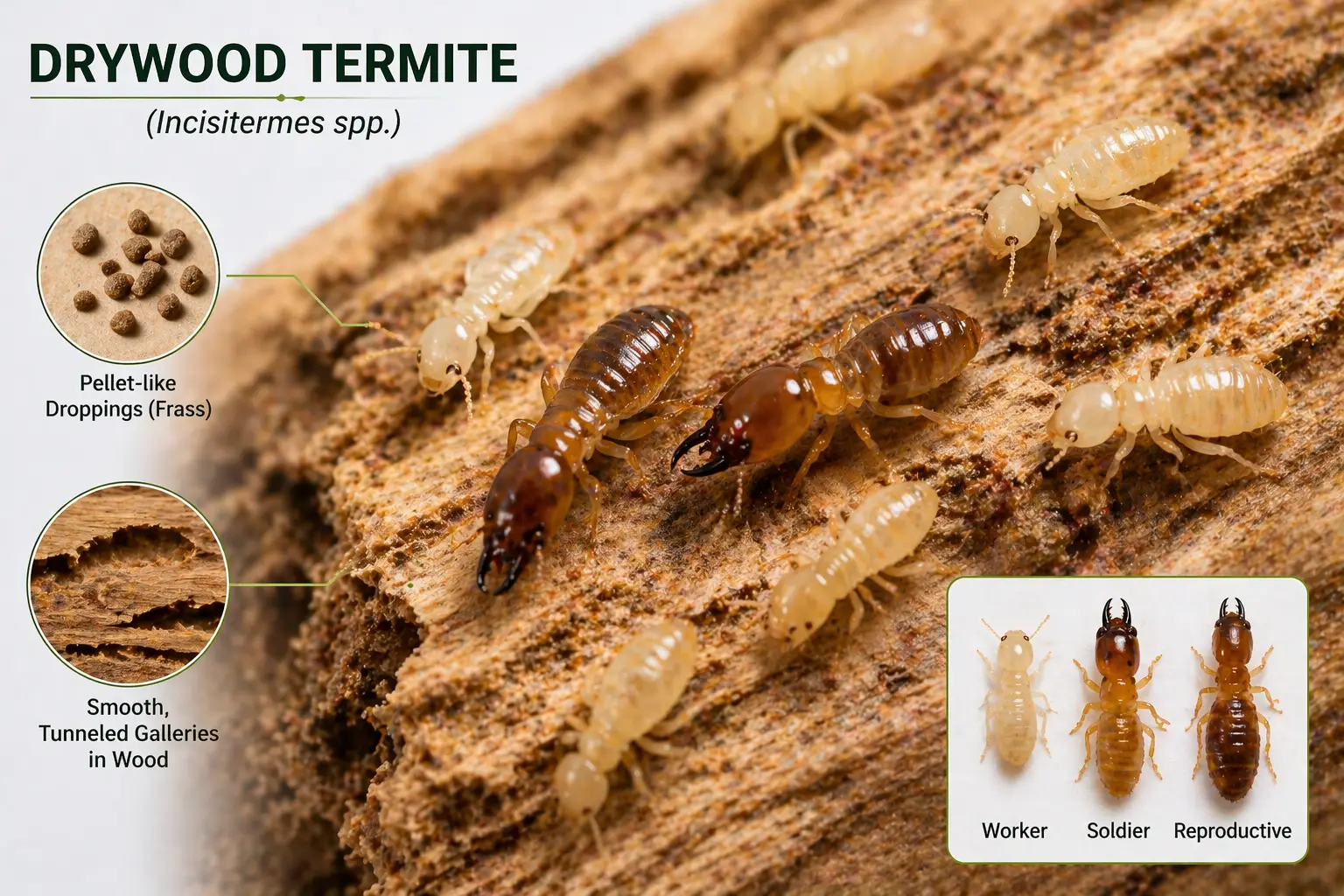
Drywood termites can live within dry structural wood without an obvious soil connection. Roof components, fascia, trim, patio structures, doors, and other aging wood elements should be inspected when signs of activity appear.
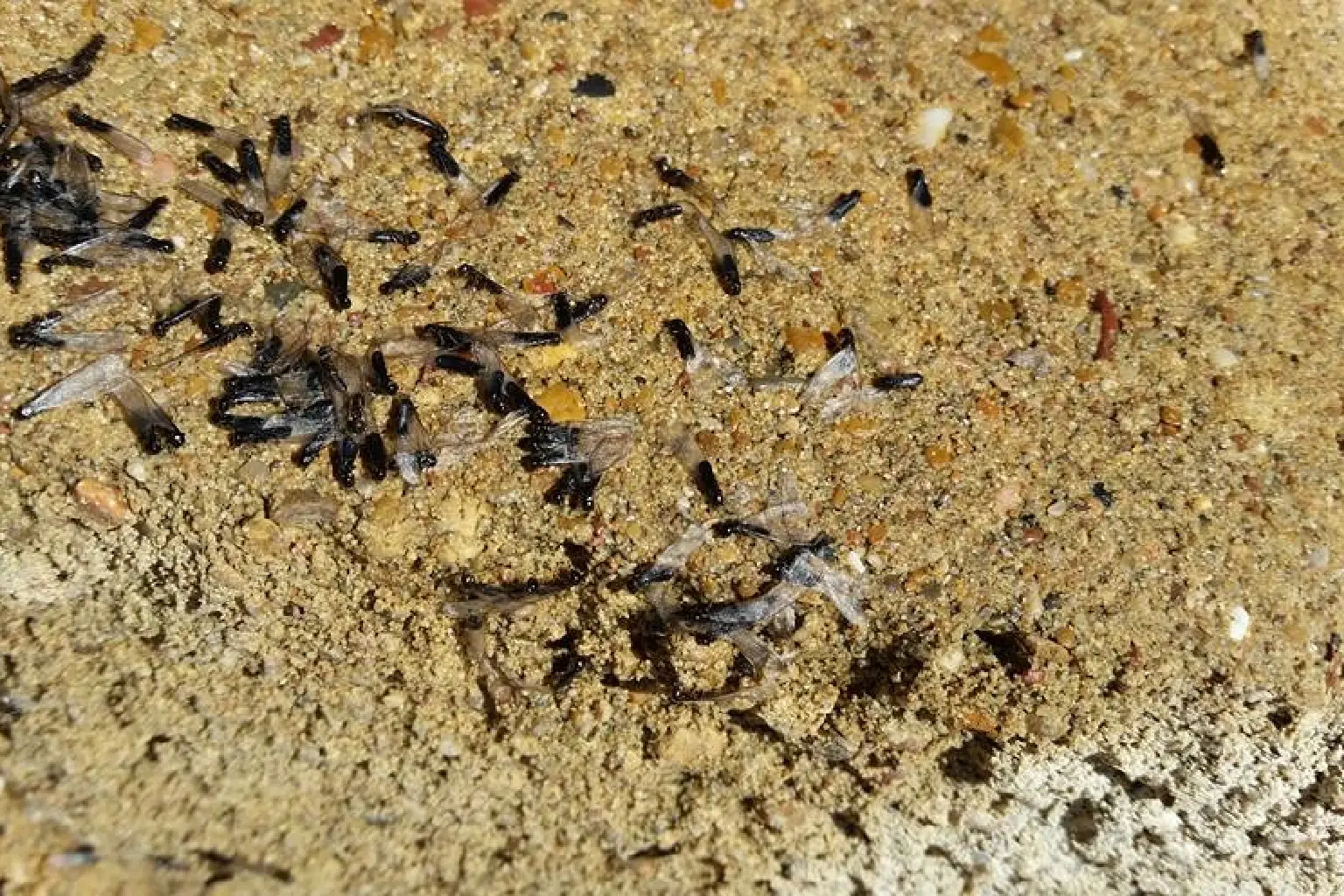
Subterranean termites can exploit soil, moisture, and concealed connections around structures. Foundation edges, planter areas, irrigation, drainage points, and inaccessible lower-wall areas are important inspection locations.

Argentine ants can establish colonies around irrigated landscaping and enter homes through very small gaps. Exterior vegetation, foundation lines, kitchens, bathrooms, and utility penetrations can help reveal their routes.
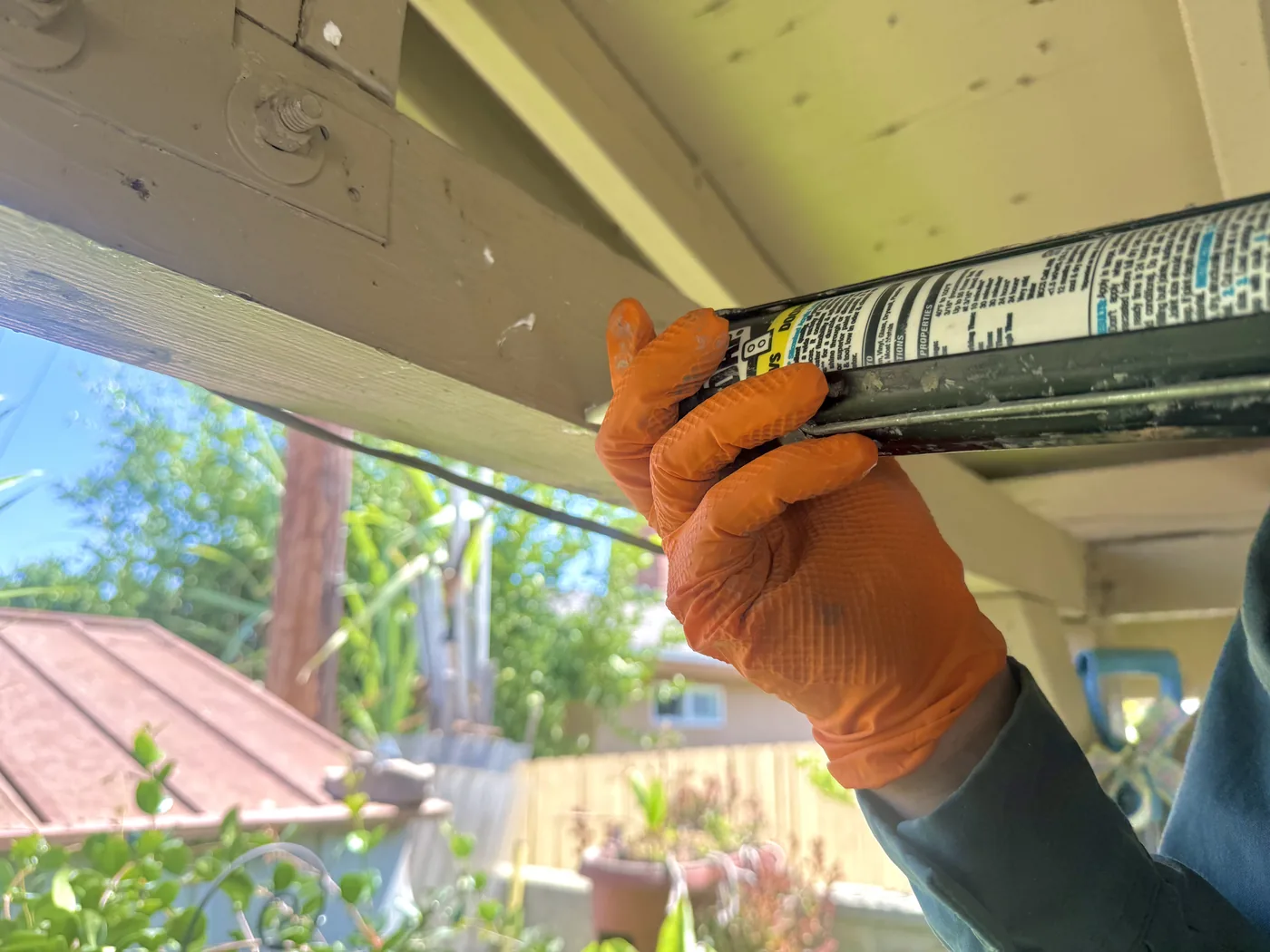
Compact neighborhoods can provide numerous sheltered locations around fences, garages, landscaping, storage areas, alleys, and other exterior spaces. Recurring rodent or spider activity may require inspection beyond the immediate indoor area.
Neighborhoods & Areas We Serve in Hawaiian Gardens
Providing Seamless Service to Homes in:
- Pioneer Boulevard & Central Hawaiian Gardens: Homes around the city's central corridor exist close to commercial activity and established residential streets, making property edges, fences, landscaping, and exterior wood important inspection areas.
- Carson Street Corridor & Residential Streets: Properties near Carson Street can sit within a highly developed environment where homes, businesses, parking areas, and transportation activity occur in close proximity.
- Norwalk Boulevard & Coyote Creek Area: Homes toward the Norwalk Boulevard and Coyote Creek side of the community can have a combination of residential landscaping, drainage infrastructure, and nearby commercial uses that should be considered during inspection.
Environmental Drivers: Why Proactive Defense is Crucial Here
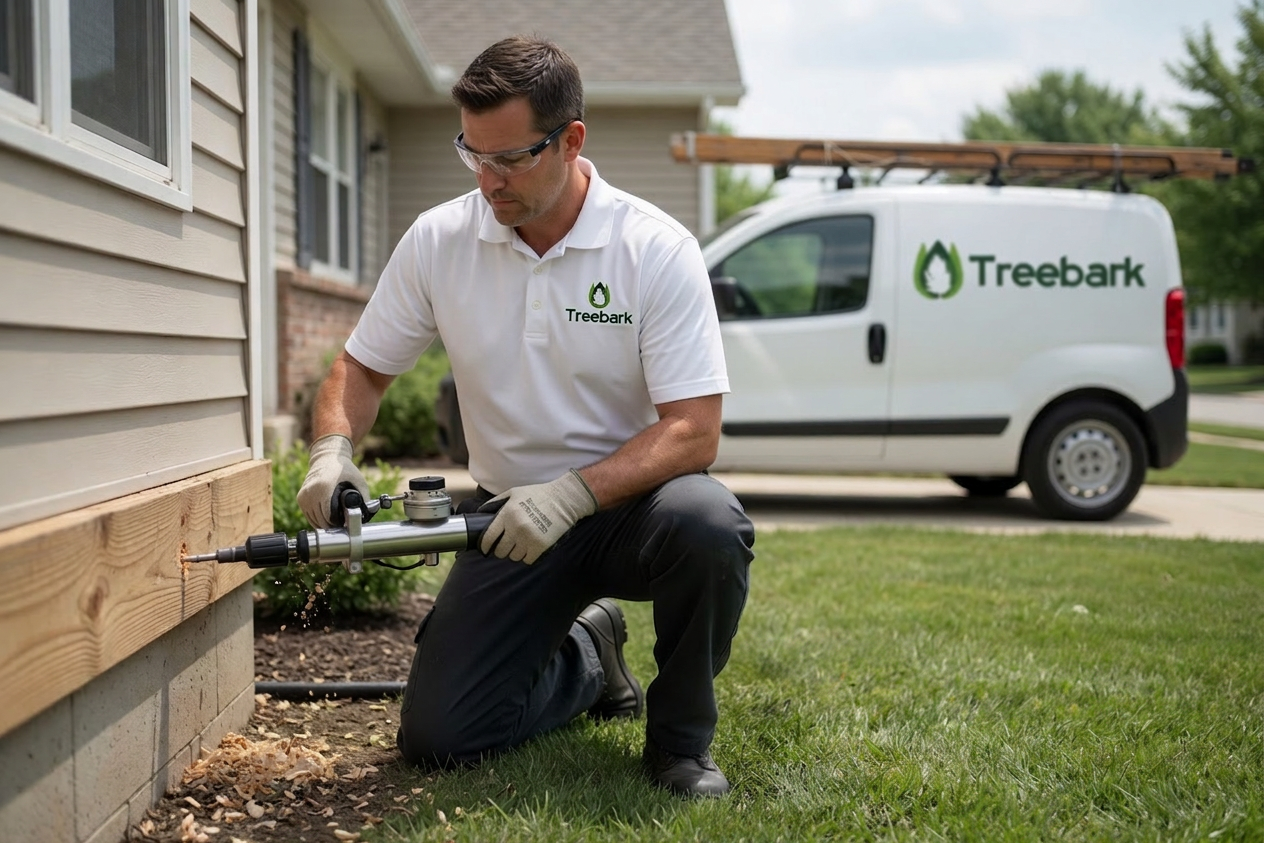
Coyote Creek and the Artesia-Norwalk Storm Drain appear as major physical features on the city's General Plan land-use map. Properties near these features should be evaluated for drainage, irrigation, vegetation, and moisture conditions that may contribute to certain pest problems.
With three city parks and residential properties occupying much of the community, Hawaiian Gardens combines green spaces with a highly developed urban environment. Trees, shrubs, irrigation, fences, and groundcover can make foundations and exterior pest entry points harder to see.
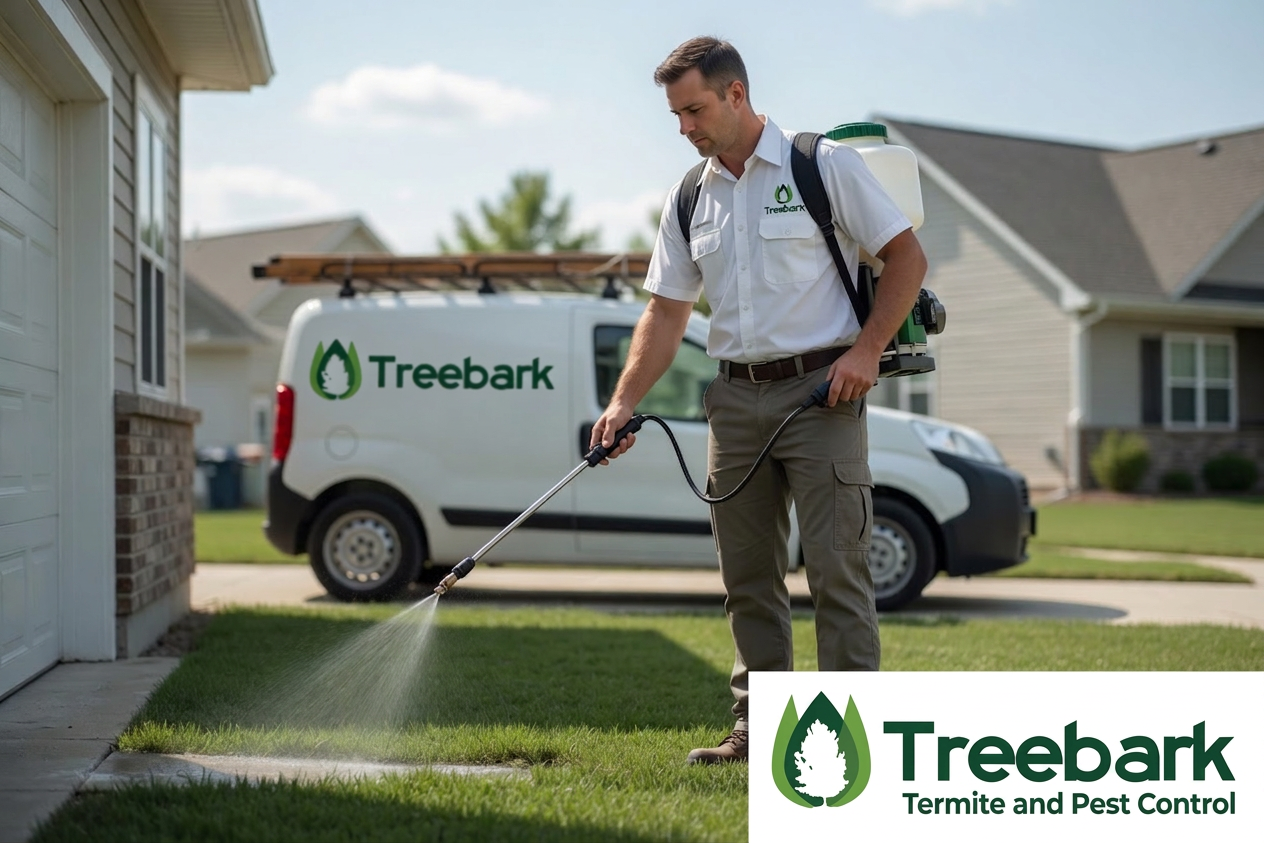
Your Local Southeast Los Angeles Experts: The Treebark Team

Frequently Asked Questions
Does Hawaiian Gardens' small lot size make pest problems more difficult to inspect?
Does Coyote Creek mean homes nearby will have more termites?
Can nearby commercial properties affect residential pest activity?
Can you treat a Hawaiian Gardens home without traditional tent fumigation?
Why do ants keep returning even after treatment?
The Treebark Final Treatment: Lasting Peace of Mind
The Post-Treatment Experience:
- Understand the Findings: Homeowners receive a clearer explanation of what was discovered, where treatment was focused, and which property conditions should continue to be monitored.
- Keep Household Disruption Manageable: When targeted treatment is appropriate, the goal is to address identified pest activity without automatically creating the disruption associated with whole-structure fumigation.
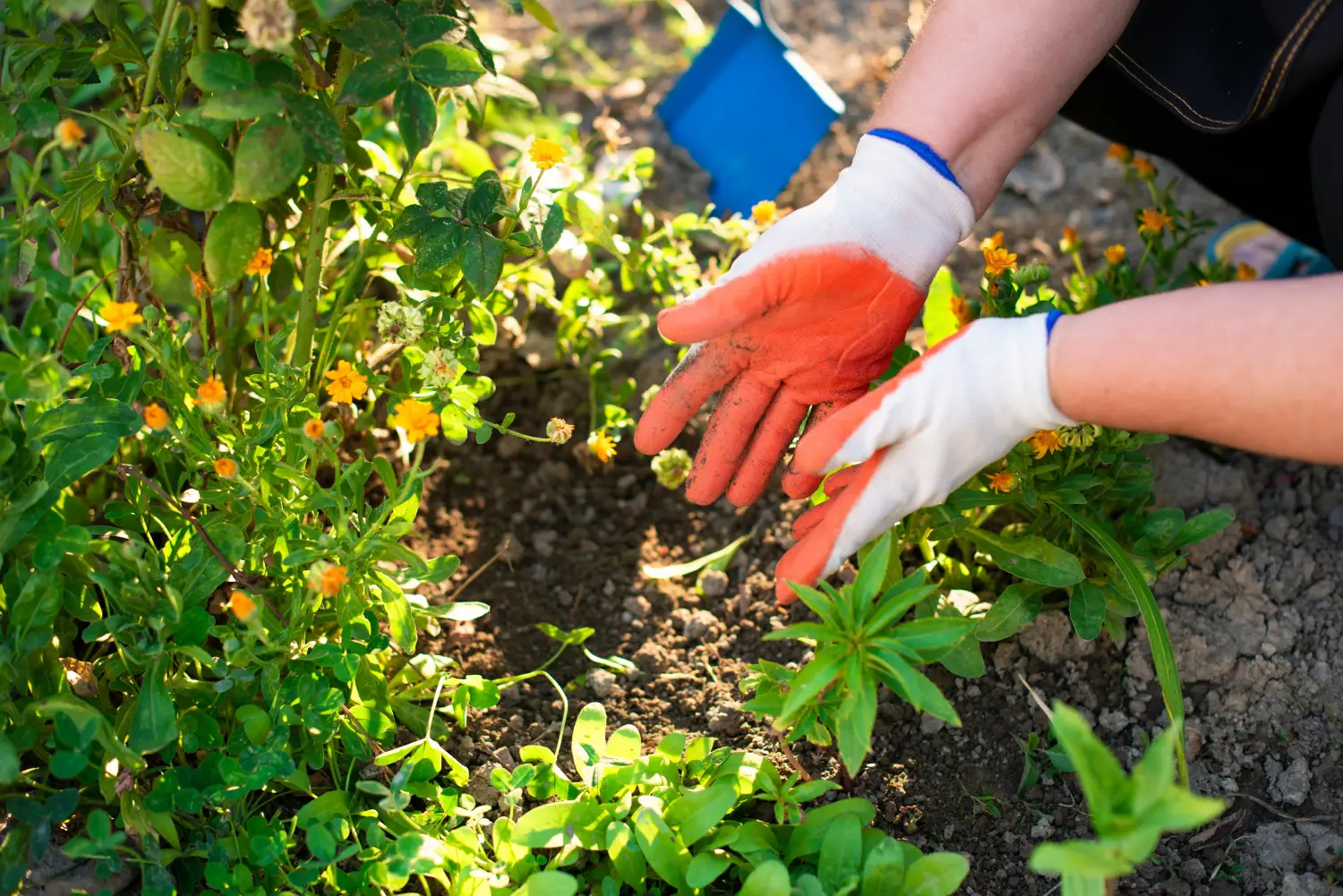
- Maintain the Property Edges: Keeping vegetation controlled, monitoring irrigation, maintaining fences, and keeping accessible foundation areas visible can support better long-term pest management.
- Local, Reliable Support: Homeowners can communicate with a local team familiar with the inspection findings, treatment strategy, and property-specific recommendations.
What Hawaiian Gardens-Area Homeowners Say
Real Google reviews from our Buena Park Google profile.
“Termite Control companies are usually all about the same. These guys are no different. I found them to be pleasant and easy to work with.”
Sandra C. · via Google (Buena Park profile)
“Treebark has been helping us with the pest control needs for the past 03 years. They are courteous and professional. The service is always better than I could have hoped for. We hired them for invading mice and spider in our basement, and they were just fantastic. Thank you so much.”
Yvonne S. · via Google (Buena Park profile)
“Treebark has always provided us with the greatest service! Very dependable, timely, comprehensive, and quick. The owner is quite kind and easy to work with. Treebark is highly recommended by us.”
Logsdon G. · via Google (Buena Park profile)
“Dave's Termite Control is the best! Friendly, professional, and effective.”
EDAN B. · via Google (Buena Park profile)
Services in Hawaiian Gardens
- Termite Inspection
- Termite Control
- No-Tent Termite Treatment
- Drywood Termite Control
- Pest Control
- Rodent Control & Exclusion
Nearby Cities We Serve
- Pest Control in Cypress
- Pest Control in La Palma
- Pest Control in Los Alamitos
- Pest Control in Cerritos
- Pest Control in Artesia
- Pest Control in Lakewood
- Pest Control in Buena Park
Calls answered 24/7: (888) 559-8816