
Safe, Tent-Free Pest Control for Cerritos
- Complimentary, Zero-Obligation Home Inspections
- Simultaneous Termite Elimination & Nuisance Pest Control
- 100% Free From Toxic Tent Fumigation
- Naturally Derived, Child & Pet-Conscious Formula
- Independent, Locally Owned South County Specialists
Book a Pest
Control Treatment


The Park-Like Threshold: Why Cerritos Homes Can Become Pest Targets
Many Cerritos homes date from the major residential development that transformed the former dairy fields during the 1960s, 1970s, and following decades. The result is a mature housing landscape where original exterior wood, fences, roof components, garages, landscaping, and irrigation systems have had decades to age and change.
A property does not need to look neglected to have termite vulnerabilities. Small openings around fascia, rooflines, windows, doors, garages, or utility penetrations can provide concealed access. Aging wood can also become easier for termites to exploit when moisture, weather exposure, or previous repairs have weakened particular areas.
Cerritos takes considerable pride in its landscaped appearance, with the city maintaining more than 25 community and neighborhood parks and extensive green spaces throughout the community. Residential properties also commonly feature lawns, trees, planted borders, shrubs, and irrigated landscaping.
For pest control, attractive landscaping requires careful management of the areas where vegetation, irrigation, soil, and the structure meet. Persistent moisture near a foundation can create favorable conditions for subterranean termites, while dense planting can give ants, spiders, rodents, and other pests protected routes around a home.
Cerritos occupies a central position within the Los Angeles/Orange County metropolitan area and is served directly by three major freeways, with additional regional transportation connections nearby. The city also contains carefully planned commercial, industrial, and residential areas.
This creates a highly developed urban environment surrounding residential properties. Pests do not recognize property lines or zoning boundaries. Rodents, ants, cockroaches, and other nuisance pests can move between landscaped areas, commercial environments, drainage infrastructure, and residential neighborhoods when food, water, or shelter is available.
Precision Risk Assessment: Inspecting Cerritos Architecture
Examining roof edges, fascia, eaves, trim, vents, and other exposed wood where Drywood termites can establish concealed colonies. Small amounts of frass, discarded wings, or localized deterioration can provide important clues.
Checking the perimeter where the home's foundation meets surrounding soil, concrete, landscaping, and hardscape. Mud tubes, moisture, cracks, soil contact, and concealed pathways may indicate conditions favorable to subterranean termites.
Reviewing garages, patios, sheds, fences, storage structures, and other secondary areas that can provide shelter or access for termites, rodents, spiders, and nuisance insects.
Evaluating sprinkler coverage, tree bases, planted borders, shrubs, leaf accumulation, and damp areas. Irrigation that repeatedly reaches walls or foundations can contribute to pest-friendly conditions.
Looking around sinks, cabinets, appliances, plumbing penetrations, bathrooms, utility areas, and other locations where ants and moisture-seeking pests may find dependable water or food sources.
Inspecting wooden fences, gates, perimeter landscaping, and property edges for termite activity, rodent harborage, damaged materials, and sheltered pathways that may connect outdoor pest populations with the home.
The Treebark Advantage: Smarter Science for Cerritos Homes
| Factor | The Outdated Tenting Process | The Treebark Advantage |
|---|---|---|
| Active Agents | Whole-structure fumigation using volatile gases | Targeted application using a specialized pest-control compound |
| Family Logistics | May require extensive preparation and temporary relocation | Designed to reduce unnecessary household disruption |
| Property Access | Requires preparation for enclosure and large-scale treatment | Focused service can be performed around identified problem areas |
| Treatment Focus | Treats the structure as one enclosed unit | Concentrates on identified pest activity and vulnerable locations |
| Preventative Power | Addresses the existing infestation | Combines treatment with inspection and identification of contributing conditions |
Local Case Study: Solving a Hidden Termite Problem in a Cerritos Home
The Discovery
The Accurate Diagnosis
The Treebark Solution
- Timeline: Treatment is planned around the affected portions of the property and the selected treatment method.
- Disruption: The goal is to minimize unnecessary preparation and allow the household to maintain its normal routine whenever the treatment protocol permits.
- Outcome: The active termite concern is addressed while the homeowner receives guidance on additional vulnerable areas and conditions that should be monitored.
The Specific Pests Plaguing Cerritos Properties
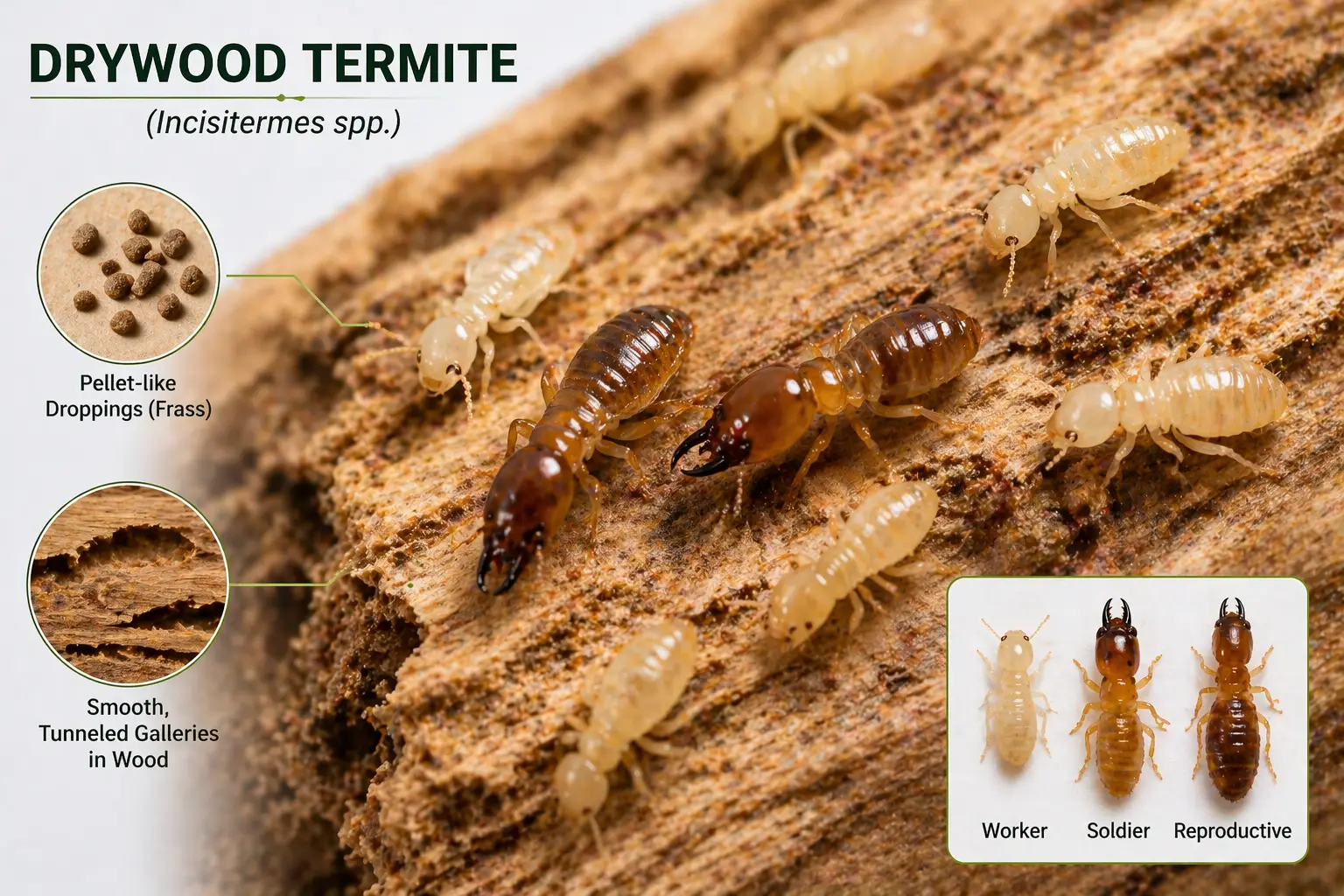
Drywood termites can establish colonies within dry structural wood, including roof components, fascia, trim, framing, garages, and other wooden portions of a home. Frass, discarded wings, and localized wood damage can be warning signs.
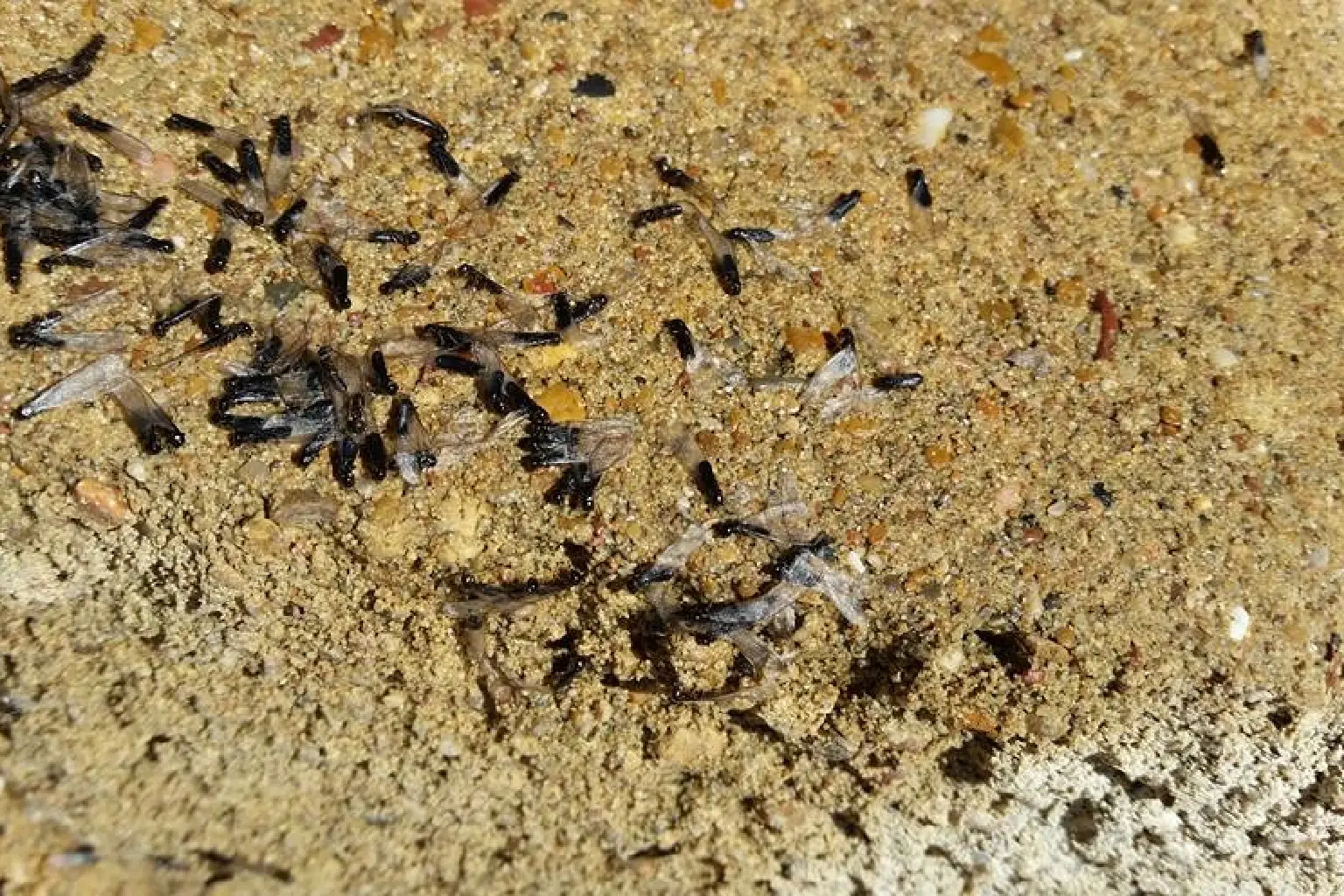
These termites rely on soil and moisture and can approach structures through foundation edges, cracks, utility penetrations, and concealed pathways. Irrigated landscaping and persistent moisture near the home deserve particular attention.

Cerritos' mild Southland climate allows household ants to remain a recurring nuisance. They can travel along exterior walls and enter through tiny gaps while searching for water, food, and protected nesting locations.
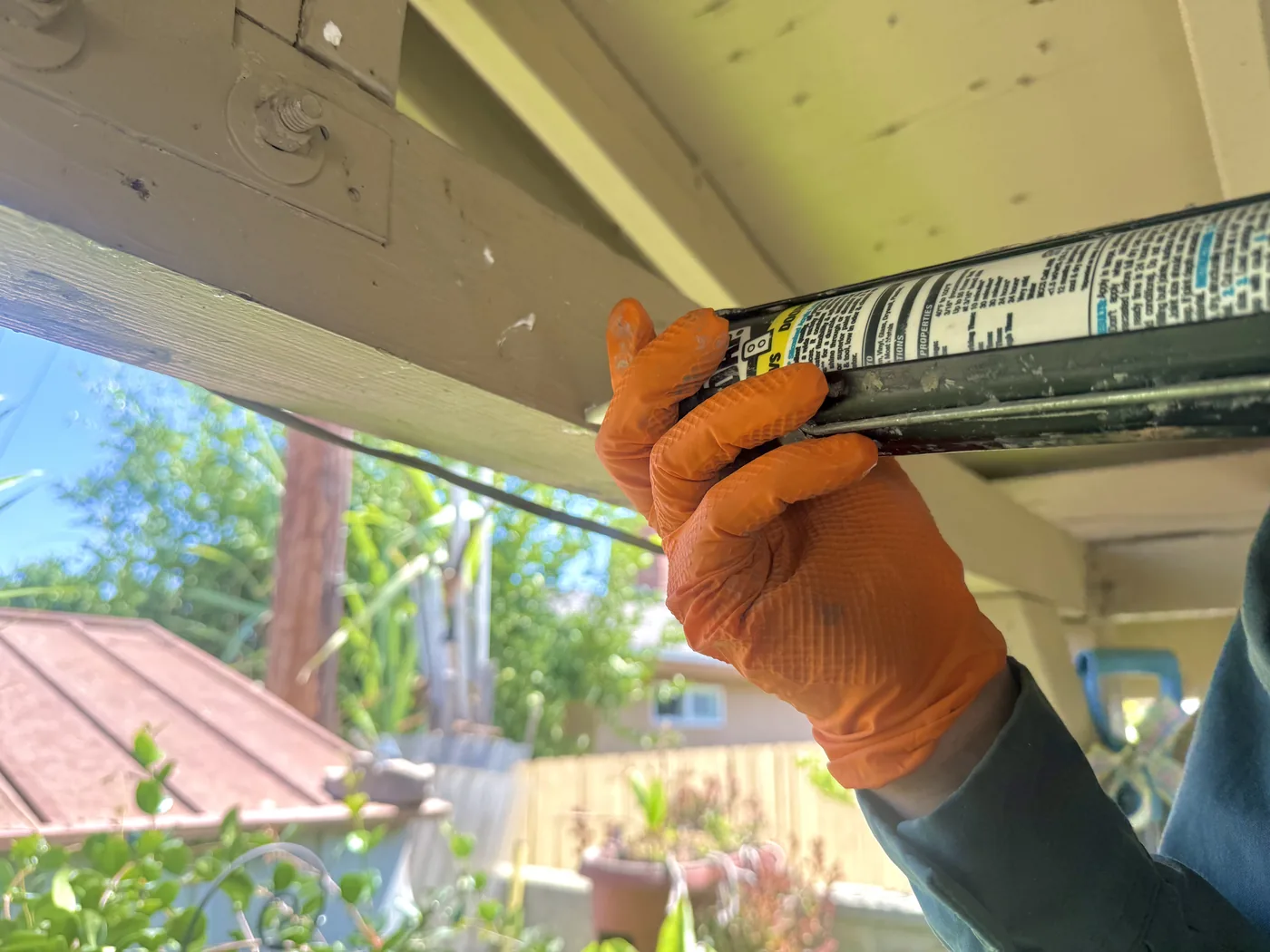
Garages, fences, trees, dense vegetation, storage areas, and sheltered exterior spaces can provide harborage for rodents and spiders. Once rodents find an accessible opening, garages, attics, walls, and storage spaces can become attractive protected areas.
Neighborhoods & Areas We Serve in Cerritos
Providing Service to Homes Throughout:
- North Cerritos & Cerritos Towne Center Area: Pest control for established residential properties near major shopping, landscaped streets, schools, and community facilities where ants, termites, rodents, and nuisance insects may find access to homes.
- Cerritos Park East & Central Cerritos: Targeted service for homes surrounded by mature landscaping and nearby recreational green space, with attention to irrigation, vegetation, exterior wood, garages, and foundation conditions.
- South Cerritos & Los Cerritos Center Area: Local pest management for residential properties located near commercial corridors and highly maintained neighborhoods where recurring ant, termite, rodent, and spider activity can develop around structures.
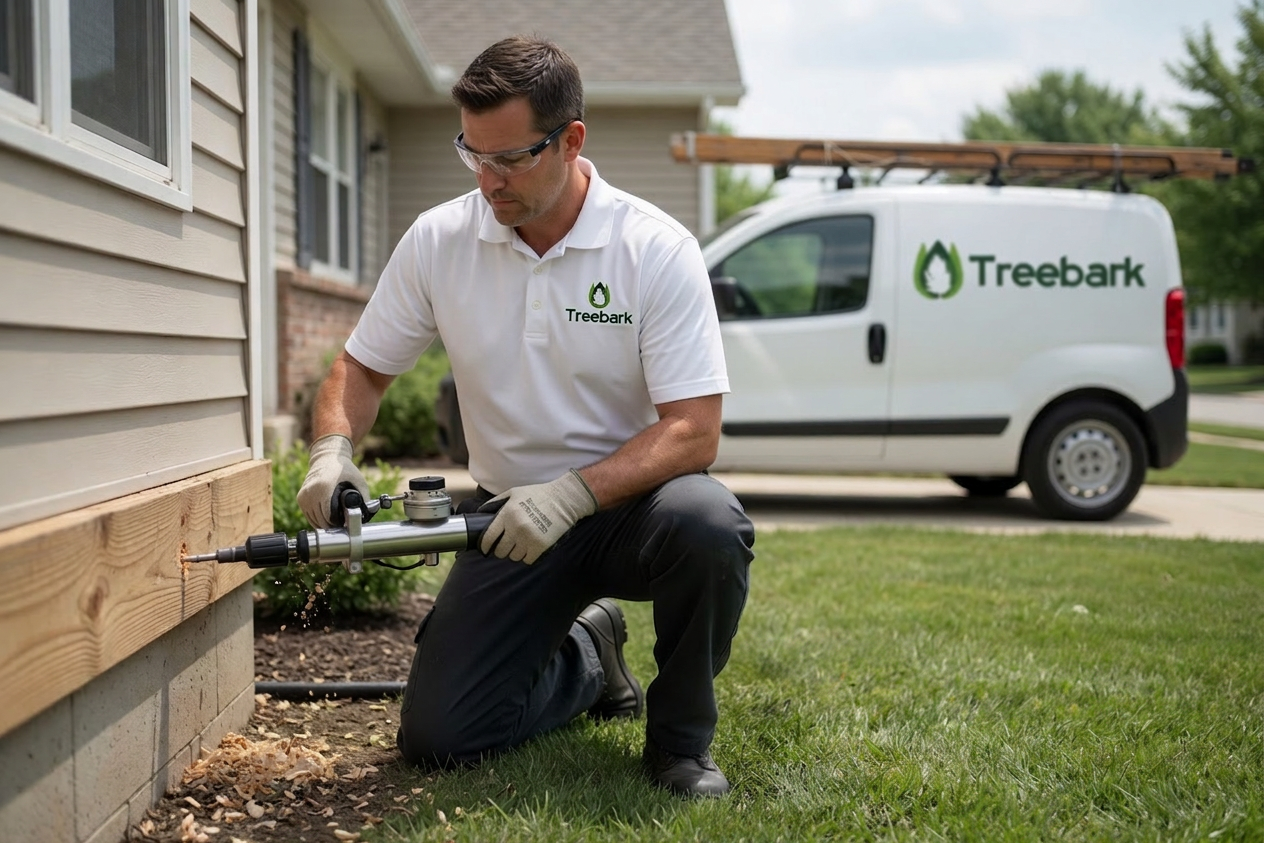
Environmental Drivers: Why Proactive Defense Matters in Cerritos
Cerritos has a distinctive semi-marine climate within the Los Angeles Basin. According to the city's historical information, coastal fog generally does not reach the city, while cooling breezes travel inland along the San Gabriel River channel. The area experiences warm to hot summers, mild winters, and periodic rainfall. These relatively moderate conditions can allow many household pests to remain active for long portions of the year. Ants may become more visible during warmer periods, while seasonal changes can influence termite swarming and movement.
Cerritos has invested heavily in its park-like environment. The city maintains more than 25 community and neighborhood parks, while its recycled-water system is used to irrigate parks and street medians. For homeowners, the important issue is not greenery itself but the relationship between vegetation, irrigation, moisture, and the structure. Plants growing close to walls, excessive watering, damp soil, leaf accumulation, and shaded areas can give ants, termites, spiders, and other pests more favorable conditions.
Your Local South County Experts: The Treebark Team

Frequently Asked Questions
My Cerritos home looks well maintained. Can I still have termites?
Does Cerritos' park-like landscaping increase the risk of pest problems?
Can you inspect my roof and exterior wood for Drywood termites?
Will pest treatment affect my lawn, trees, or landscaping?
Why do ants keep coming back after I spray them?
The Treebark Final Treatment: Lasting Peace of Mind

The Post-Treatment Experience:
- Immediate Return to Normalcy: When the selected treatment permits normal occupancy, your household can return to its regular routine after the technician has completed the service and provided any required instructions.
- Odorless & Clean: Treatment methods and products vary by pest and application, but the objective is to provide a focused service without unnecessary residue or disruption throughout areas that do not require treatment.
- A Stronger Defense Against Recurring Activity: Sealing openings, correcting moisture problems, maintaining landscaping, monitoring exterior wood, and reducing accessible food sources can all help make the property less attractive to pests.
- Local, Reliable Support: Pest activity changes with weather, irrigation, landscaping, construction, and seasonal conditions. If something changes after treatment, a local inspection can help determine whether the issue is a new pest problem or a continuation of the original one.
What Cerritos-Area Homeowners Say
Real Google reviews from our Buena Park Google profile.
“Treebark has been helping us with the pest control needs for the past 03 years. They are courteous and professional. The service is always better than I could have hoped for. We hired them for invading mice and spider in our basement, and they were just fantastic. Thank you so much.”
Yvonne S. · via Google (Buena Park profile)
“Treebark has always provided us with the greatest service! Very dependable, timely, comprehensive, and quick. The owner is quite kind and easy to work with. Treebark is highly recommended by us.”
Logsdon G. · via Google (Buena Park profile)
“Dave's Termite Control is the best! Friendly, professional, and effective.”
EDAN B. · via Google (Buena Park profile)
“We do an annual treatments with Treebark. I have never been dissatisfied with their professionalism, knowledge, price and customer service.”
Kevin O. · via Google (Buena Park profile)
Services in Cerritos
- Termite Inspection
- Termite Control
- No-Tent Termite Treatment
- Drywood Termite Control
- Pest Control
- Rodent Control & Exclusion
Nearby Cities We Serve
- Pest Control in Artesia
- Pest Control in La Palma
- Pest Control in Hawaiian Gardens
- Pest Control in Lakewood
- Pest Control in Bellflower
- Pest Control in Buena Park
- Pest Control in Cypress
Calls answered 24/7: (888) 559-8816