
Termite Control in Carson, CA
If Carson attics or garage framing are dropping pellets or you just had flying termites, that is a drywood inspection — not a monthly pest stop. Call (888) 559-8816. Drywood termite control · no-tent treatment.
4.8 Rating on Google
- Complimentary, Zero-Obligation Home Inspections
- Simultaneous Termite Elimination & Nuisance Pest Control
- 100% Free From Toxic Tent Fumigation
- Naturally Derived, Child & Pet-Conscious Formula
- Independent, Locally Owned South County Specialists
Book a Pest
Control Treatment


The Urban Threshold: Why Carson Homes Are Under Attack
Many Carson neighborhoods contain homes that have been exposed to decades of Southern California weather, remodeling, landscaping changes, and routine wear. Exterior trim, fascia, fences, garages, decks, sheds, and other wood components can gradually develop cracks, gaps, moisture damage, or concealed spaces that become attractive to termites and other wood-destroying pests. Drywood termites can establish colonies inside dry wood without maintaining the obvious connection to soil associated with subterranean termites. When activity remains hidden inside framing, trim, or other wooden components, homeowners may not notice the problem until they discover frass, discarded wings, damaged wood, or evidence of a swarm.
Carson sits within the relatively flat Los Angeles Basin rather than a steep canyon environment. That does not eliminate subterranean termite risk. Irrigated lawns, planted borders, leaking outdoor fixtures, poorly drained areas, and soil that remains damp near a foundation can create favorable conditions for ground-dwelling termites. Subterranean termites can move through protected soil pathways and concealed foundation areas before reaching structural wood. Small cracks, utility penetrations, slab edges, and soil-to-structure contact may give colonies an opportunity to move toward the home without producing obvious signs indoors.
Carson's position between major transportation corridors, commercial districts, residential neighborhoods, parks, and nearby industrial areas creates a distinctly urban pest environment. The city is served by the 110, 405, and 91 freeways and is also close to the ports and additional regional transportation routes. That built environment does not create an infestation by itself, but it creates many different sources of food, shelter, vegetation, drainage, and human activity. Ants, rodents, cockroaches, spiders, and other nuisance pests can move between outdoor harborage areas and residential properties when they find reliable resources and accessible entry points.
Precision Risk Assessment: Inspecting Carson Home Architecture
Checking exposed fascia, eaves, trim, roofline wood, vents, and other elevated components where Drywood termites can establish concealed colonies without requiring direct contact with the ground.
Inspecting the transition between soil, concrete, stucco, and the home itself for moisture, cracks, mud tubes, landscaping contact, and other conditions that may allow subterranean termites to approach the structure.
Examining garages, workshops, sheds, and other secondary areas for termite evidence, rodent entry points, damaged seals, nesting activity, and concealed openings that connect exterior activity with the home.
Evaluating sprinkler patterns, planted borders, shrubs, tree bases, leaf accumulation, and damp areas that can create protected travel routes or persistent moisture around the foundation.
Looking closely around plumbing, appliances, cabinets, bathrooms, utility lines, and other locations where ants, cockroaches, and moisture-seeking pests commonly find access to food or water.
Checking wooden fencing, gates, storage areas, and backyard structures for termite activity, deterioration, rodent shelter, and conditions that may allow pest populations to establish immediately outside the home.
The Treebark Advantage: Smarter Science for Carson Homes
| Factor | The Outdated Tenting Process | The Treebark Advantage |
|---|---|---|
| Active Agents | Requires whole-structure fumigation with highly volatile gases | Targeted treatment using a specialized pest-control compound |
| Family Logistics | May require extensive preparation and temporary relocation | Designed to minimize preparation and household disruption |
| Property Access | Large-scale fumigation equipment can require significant access and preparation | Localized service uses standard service vehicles and focused treatment |
| Treatment Focus | Treats the entire structure as one enclosed space | Concentrates attention on identified pest activity and vulnerable areas |
| Preventative Power | Fumigation addresses the existing infestation but does not correct every conducive condition | Combines targeted treatment with inspection-based prevention |
Local Case Study: Addressing a Recurring Termite Problem in Carson
The Discovery
The Accurate Diagnosis
The Treebark Solution
- Timeline: Treatment is scheduled around the affected areas and the property's access requirements.
- Disruption: The objective is to avoid unnecessary household preparation and keep normal routines intact whenever the selected treatment allows.
- Outcome: Active pest pressure is addressed while contributing conditions and additional vulnerable areas are identified for future prevention.
The Specific Pests Plaguing Carson Properties
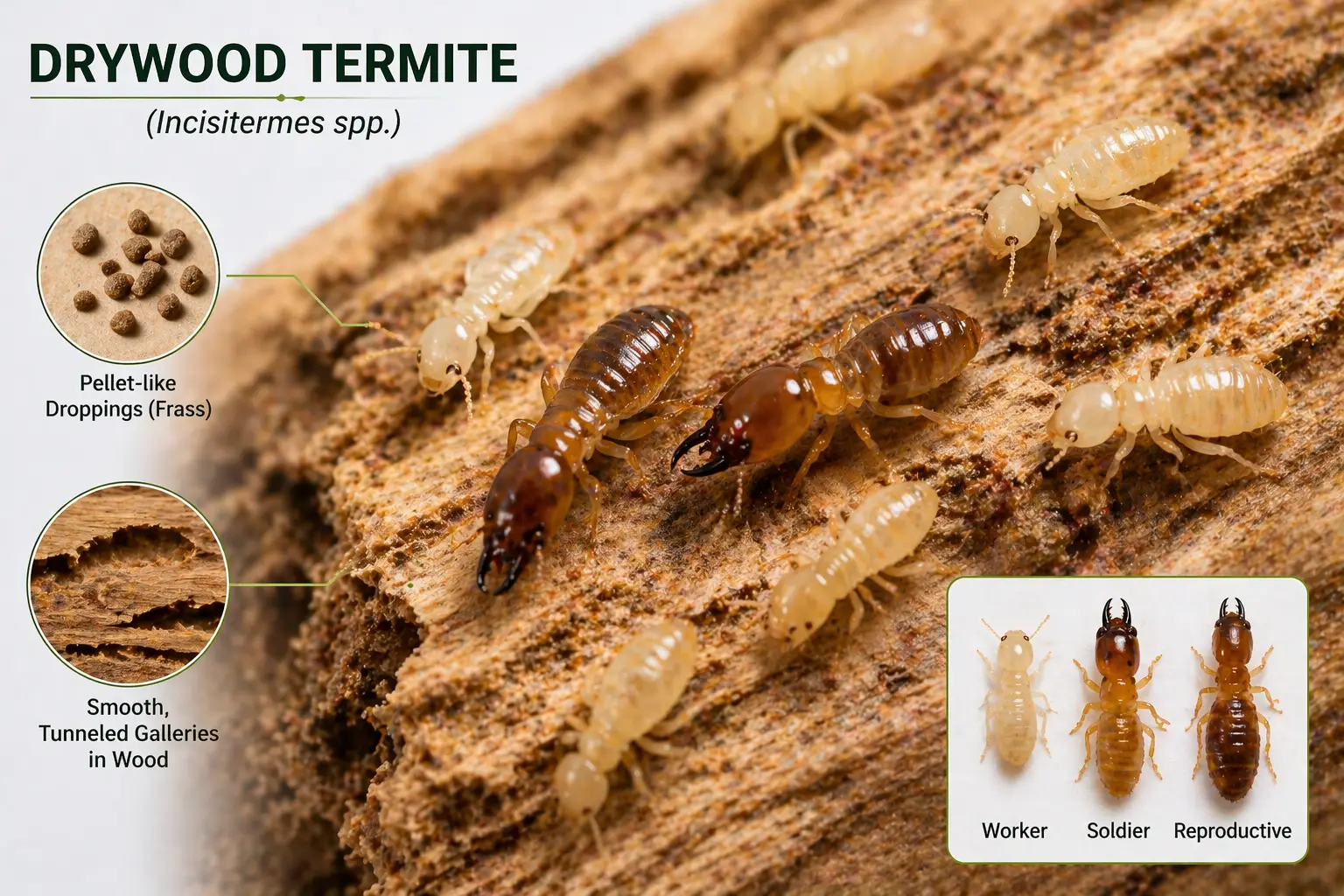
A major concern for older wood components, roofline structures, exterior trim, garages, and other dry portions of Carson homes. These termites can remain concealed within wood and may only become obvious when homeowners discover frass, discarded wings, or localized structural damage.
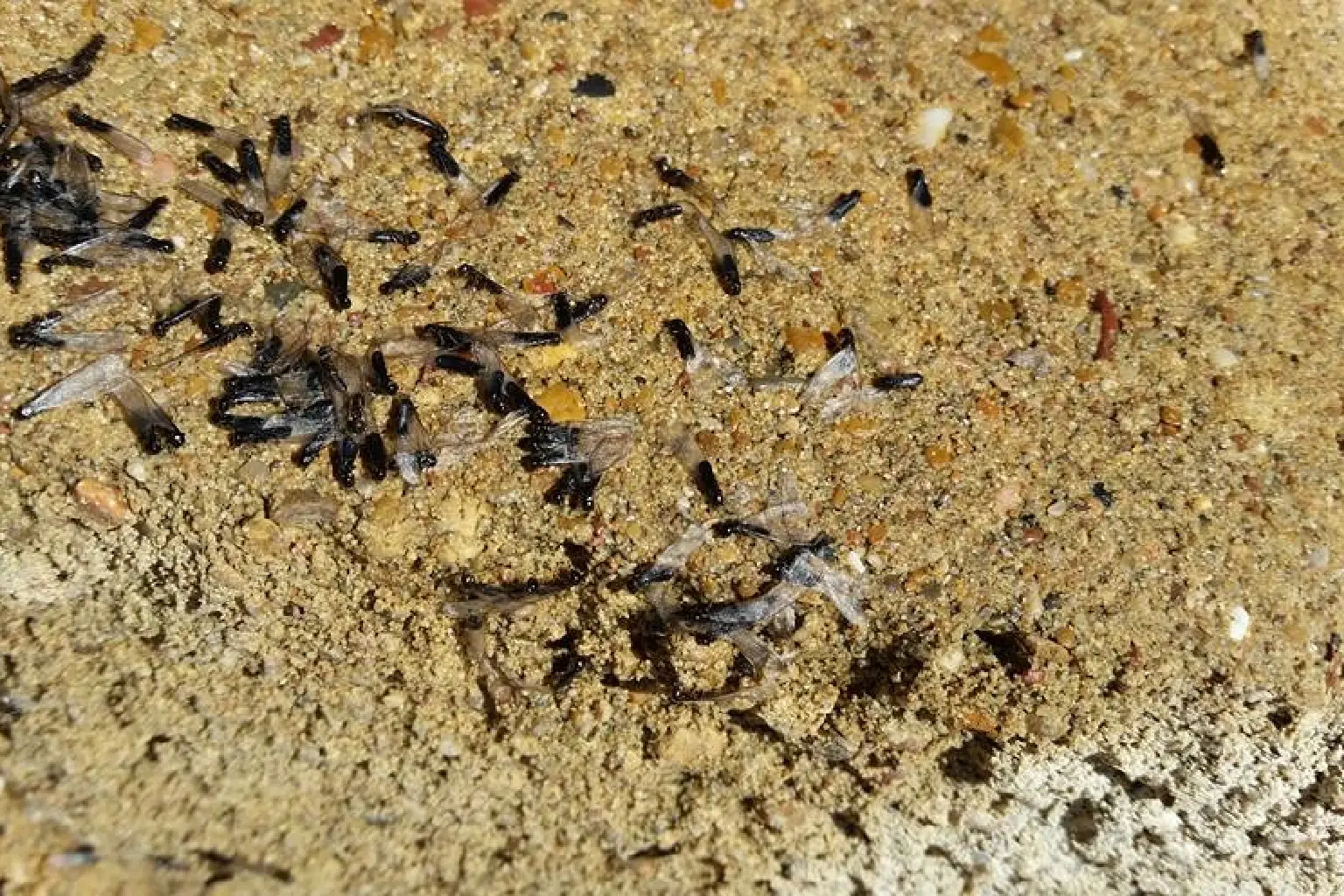
Moisture around foundations, irrigated landscaping, soil contact, and concealed entry points can provide opportunities for subterranean termites to reach residential structures. Mud tubes and damaged lower-level wood can be important warning signs.

Warm Southern California conditions and accessible food or water can make Argentine ants a persistent household nuisance. They may establish trails along exterior walls and enter kitchens, bathrooms, or other areas through remarkably small openings.

Garages, utility spaces, landscaping, trash areas, fences, and sheltered exterior locations can provide food and harborage for rodents and cockroaches. Once inside, they may move toward kitchens, storage areas, wall voids, attics, or other protected spaces.
Neighborhoods & Areas We Serve in Carson
Providing Service to Homes Throughout:
- Carson Park & Central Carson: Localized protection for established residential properties where mature landscaping, aging exterior materials, and recurring ant or termite activity can create ongoing pest concerns.
- Dominguez Hills & CSUDH Area: Targeted pest management for residential properties around the Dominguez Hills area, where landscaping, varied development, and surrounding activity can create different pest pressures from one property to another.
- Del Amo, South Carson & Surrounding Residential Areas: Practical pest solutions for homes located near commercial corridors, neighborhood parks, landscaped streets, and other areas where ants, rodents, termites, and nuisance insects may find shelter or food.
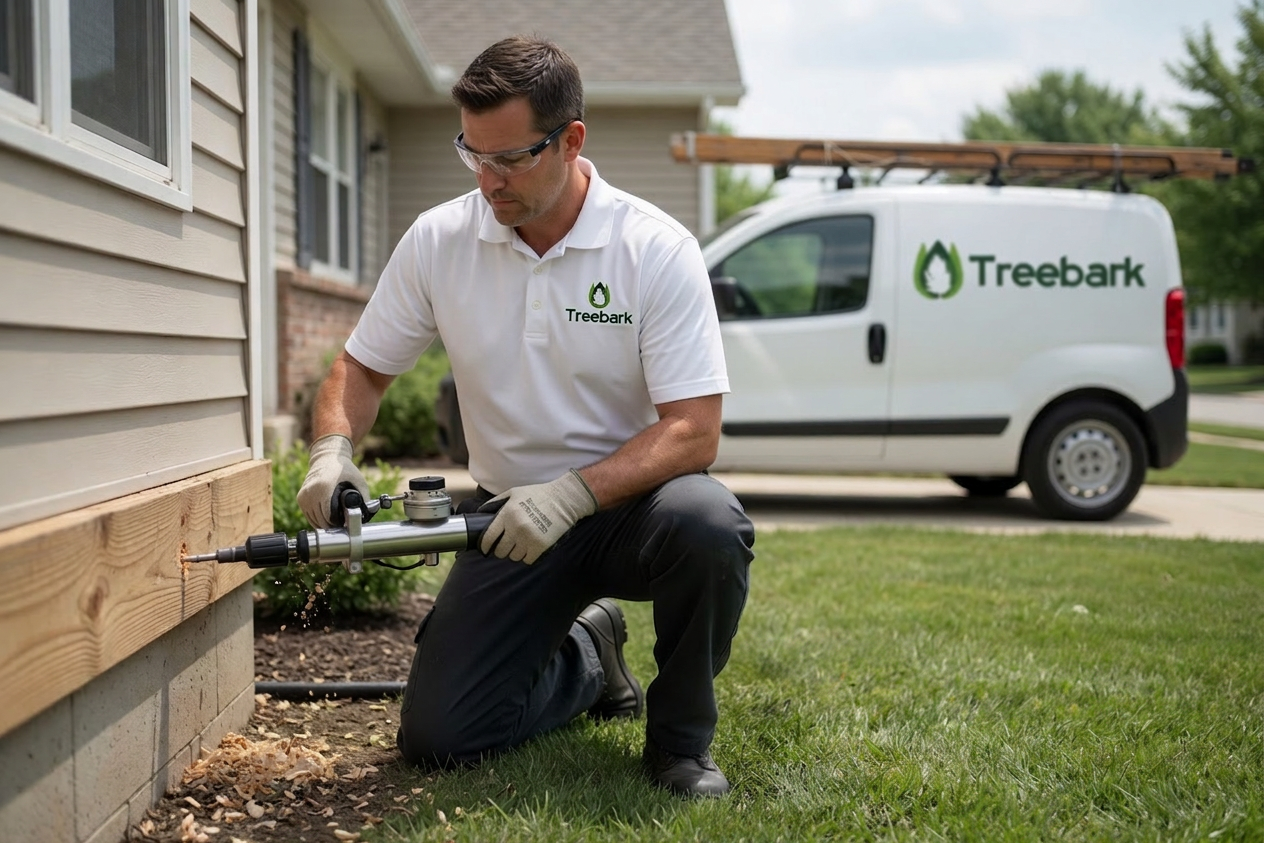
Environmental Drivers: Why Proactive Defense is Crucial Here
Carson's proximity to the coast contributes to a mild climate, with the city reporting average maximum temperatures around 70.7°F and average annual rainfall of approximately 12.8 inches. These moderate conditions can allow many household pests to remain active for extended portions of the year rather than disappearing completely during a short winter season. Warm periods can increase visible ant activity, while seasonal conditions can also influence termite swarming and other pest movement. For homeowners, that makes early identification more useful than waiting for an infestation to become widespread.
Carson's urban environment contains extensive paved and developed areas, but tree canopy and vegetation are concentrated in parks, along certain streets, and within some residential neighborhoods. The city's hazard planning materials note that developed areas can retain more heat while vegetation provides a cooling effect. For pest control, these contrasts matter. Landscaped pockets provide shade and shelter, while irrigation and plant growth can create localized moisture conditions. When vegetation grows directly against a home or water repeatedly reaches the foundation, outdoor pest activity can become easier to sustain.
Your Local South Bay Experts: The Treebark Team

Frequently Asked Questions
My Carson home was built decades ago. Is it really at risk for termites?
I have a relatively flat property. Do I still need to worry about subterranean termites?
Can you treat my home without disturbing my landscaping?
Is the Treebark formula safe for my family and pets?
How quickly can you stop ants from coming into my Carson kitchen?
The Treebark Final Treatment: Lasting Peace of Mind

The Post-Treatment Experience:
- Immediate Return to Normalcy: When the selected treatment permits normal occupancy, your household can get back to its routine without unnecessary interruption once the technician has completed the required service and instructions.
- Focused & Clean: Targeted pest management concentrates treatment where the infestation and contributing conditions have been identified rather than automatically treating every part of the property.
- A Stronger Defensive Position: Addressing entry points, moisture sources, landscaping conditions, and other vulnerabilities can help reduce the opportunity for ants, termites, rodents, and other pests to return.
- Local, Reliable Support: Pest conditions can change with weather, landscaping, construction, and seasonal activity. If a new concern appears, your local Treebark team remains available to assess what has changed and determine the appropriate next step.
What Carson-Area Homeowners Say
Real Google reviews from our Torrance Google profile.
“Thorough inspection. Dave is very professional and courteous.”
Jeff C. · via Google (Torrance profile)
“Very thorough and professional”
Tim C. · via Google (Torrance profile)
“Appointment was 2-4pm slot. Daniel arrived at 1:59pm. The inspection was thorough, he explained what they do & why it's done. Daniel answered my questions and one question I asked he did not have an answer, but circled back prior to leaving to assure me he'd find out. He was courteous, clean, and professional.”
Rick S. · via Google (Torrance profile)
“5/5 Stars! Alex from Tree bark did an outstanding job handling our termite problem. They were prompt, professional, and incredibly thorough from the initial inspection to the final treatment. He explained everything clearly, worked efficiently, and left the area spotless.”
George N. · via Google (Torrance profile)
Services in Carson
- Termite Inspection
- Termite Control
- No-Tent Termite Treatment
- Drywood Termite Control
- Pest Control
- Rodent Control & Exclusion
Nearby Cities We Serve
- Pest Control in Compton
- Pest Control in Gardena
- Pest Control in Lomita
- Pest Control in Torrance
- Pest Control in Long Beach
- Pest Control in Lakewood
- Pest Control in Bellflower
Calls answered 24/7: (888) 559-8816