
Safe, Tent-Free Pest Control for Gardena
- Complimentary, Zero-Obligation Home Inspections
- Simultaneous Termite Elimination & Nuisance Pest Control
- 100% Free From Toxic Tent Fumigation
- Naturally Derived, Child & Pet-Conscious Formula
- Independent, Locally Owned South County Specialists
Book a Pest
Control Treatment


The Garden Valley Threshold: Why Gardena Homes Are Under Attack
Gardena's transformation from farmland to residential community left behind a landscape of established neighborhoods, mature vegetation, and older properties. Aging fences, patios, garages, trees, and exterior wood can create concealed locations where termite and nuisance-pest activity develops gradually.
The Dominguez Channel is one of the significant man-made features shaping Gardena's local setting. Properties near channel corridors, drainage features, and landscaped areas can experience different moisture and vegetation conditions than homes farther into established residential blocks.
Gardena combines single-family neighborhoods with apartments, condominiums, commercial districts, and industrial areas. That close land-use relationship means pest conditions can vary substantially from one block to the next, making property-specific inspection especially important.
Precision Risk Assessment: Inspecting Gardena Architecture
Older rooflines, fascia, eaves, window trim, and exterior wood components can develop hidden deterioration over time. These areas deserve particular attention when evaluating a mature Gardena residence.
Compact residential lots can make portions of the foundation difficult to access. We examine accessible areas for moisture, soil contact, vegetation, cracks, entry points, and other conditions that may contribute to pest activity.
Trees, shrubs, vines, groundcover, and irrigated planting beds contribute to Gardena's established neighborhood character but can also conceal foundations, fences, exterior walls, and pest entry points.
Downspouts, irrigation lines, sprinklers, planters, and drainage features can create localized moisture conditions. These areas deserve attention when investigating recurring termite or ant activity.
Garages, enclosed patios, storage spaces, and home additions may contain older construction materials that differ from the primary structure and can develop independent pest issues.
Property-line fences, gates, alleys, and landscaping can create pathways between residential structures and surrounding properties. These areas become particularly important when pest activity continues after interior treatment.
The Treebark Advantage: Smarter Science for Gardena Homes
| Treatment Consideration | Traditional Tenting | Treebark Approach |
|---|---|---|
| Treatment Method | Whole-structure fumigation | Targeted treatment based on inspection findings |
| Household Logistics | Occupants generally vacate | Designed to reduce unnecessary disruption where appropriate |
| Preparation | Extensive preparation may be required | Preparation depends on the selected treatment |
| Treatment Area | Entire structure enclosed | Identified areas treated according to pest conditions |
| Property Strategy | Focused primarily on existing infestation | Inspection-led treatment plus contributing-condition review |
Local Case Study: Uncovering Termite Risk in an Established Gardena Residence
The Discovery
The Accurate Diagnosis
The Treebark Solution
- Timeline: Inspection and treatment planning were organized around the property's actual findings.
- Disruption: A targeted strategy helped minimize unnecessary household interruption where appropriate.
- Outcome: The homeowner gained a clearer understanding of the pest activity and the conditions requiring continued attention.
The Specific Pests Plaguing Gardena Properties
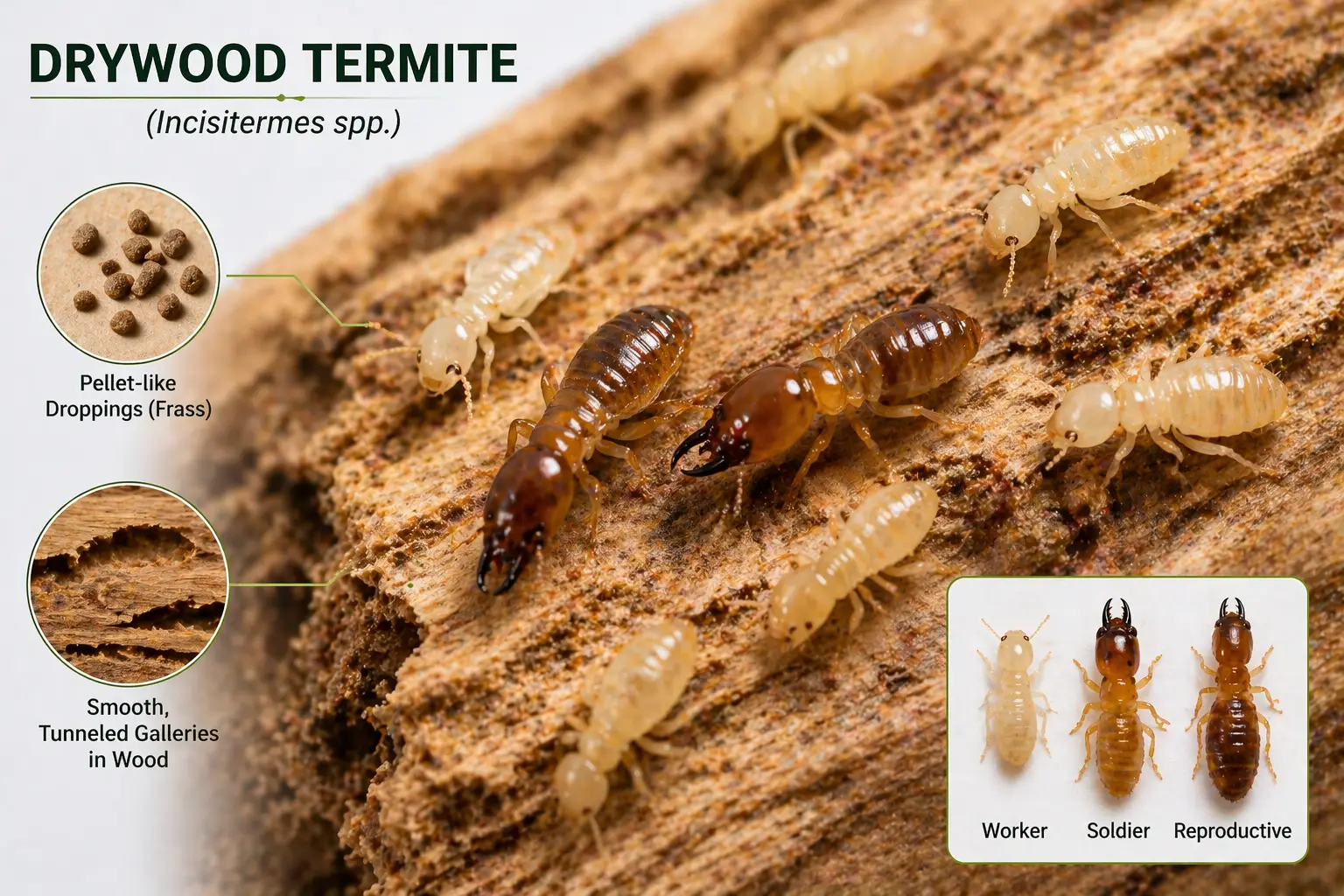
Drywood termites can remain concealed inside dry structural wood without an obvious connection to soil. Roof framing, fascia, attic areas, trim, patio structures, and aging exterior wood should be inspected when warning signs appear.
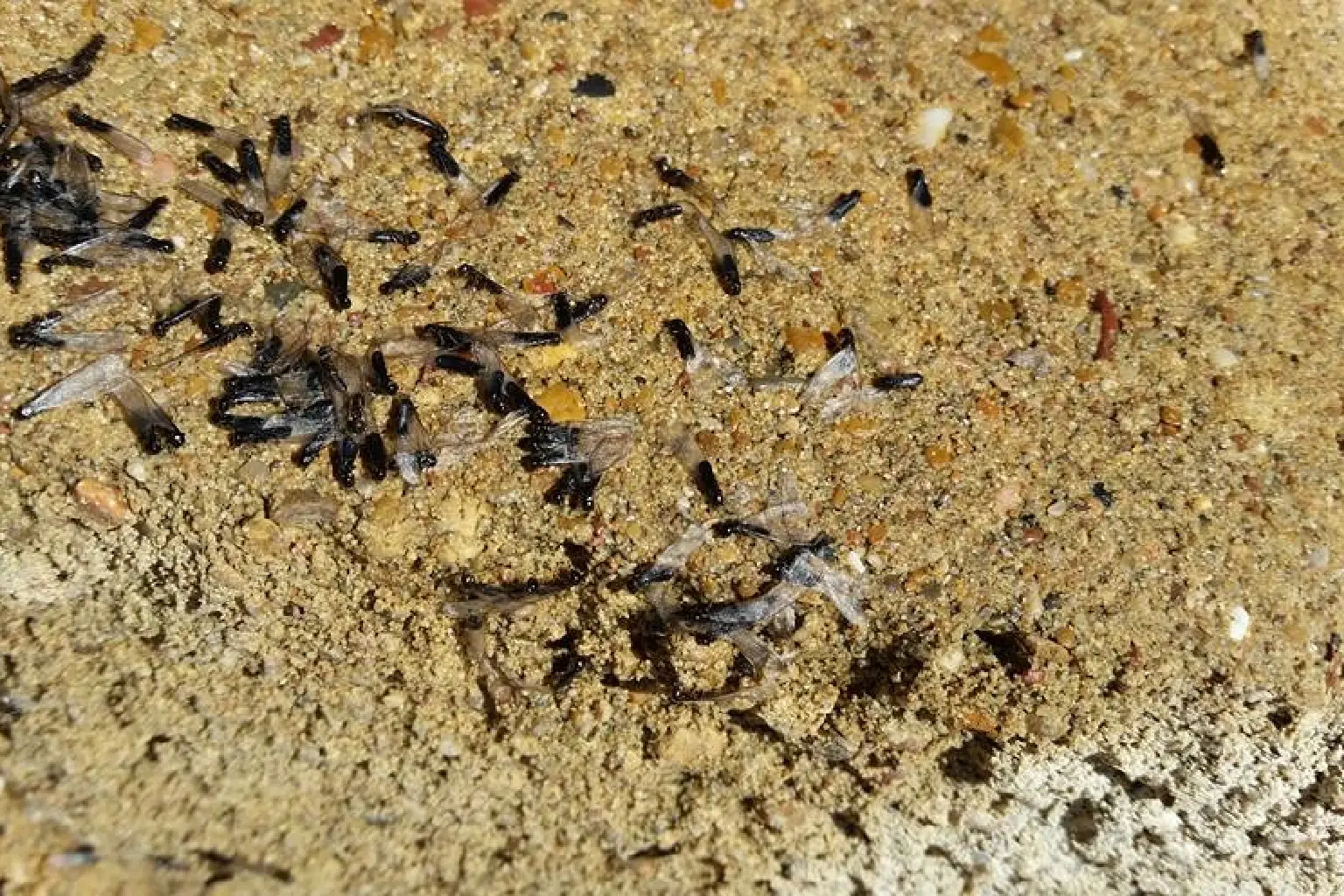
Subterranean termites can exploit soil-to-structure connections and moisture. Foundation edges, irrigation areas, planter beds, crawl spaces, and concealed lower-wall areas are important inspection points.

Argentine ants can establish colonies around landscaped properties and enter through very small openings. Vegetation, irrigation, foundation lines, kitchens, bathrooms, and utility penetrations can reveal how an infestation is moving through a property.
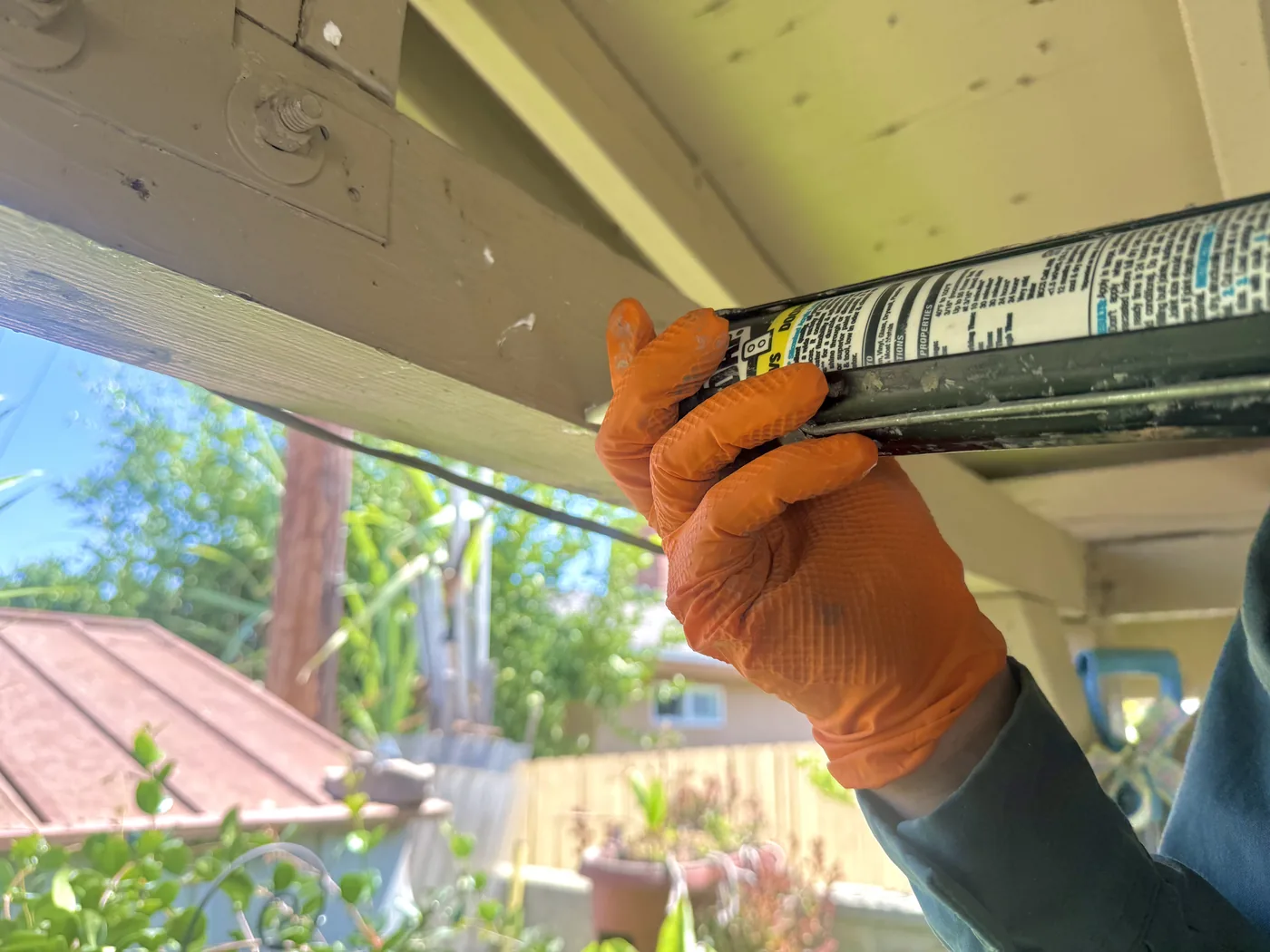
Garages, alleys, storage areas, fences, landscaping, and less-disturbed portions of residential properties can provide shelter for rodents and spiders. Recurring activity often warrants inspection of exterior harborage areas as well as the interior.
Neighborhoods & Areas We Serve in Gardena
Providing Seamless Service to Homes in:
- West Gardena & Western Avenue Corridor: Properties around Western Avenue combine established neighborhoods with a major commercial and transportation corridor. Homes in this area can benefit from careful inspection of landscaping, fences, garages, and exterior wood.
- Central Gardena & Gardena Village Area: Long-established residential streets contain a mixture of traditional homes, mature yards, garages, patios, and property-line structures that can create concealed pest pathways.
- South Gardena & Rosecrans Corridor: Residential properties toward the southern portion of the city sit near major commercial routes and varied land uses. Inspection should account for both the home itself and surrounding exterior conditions.
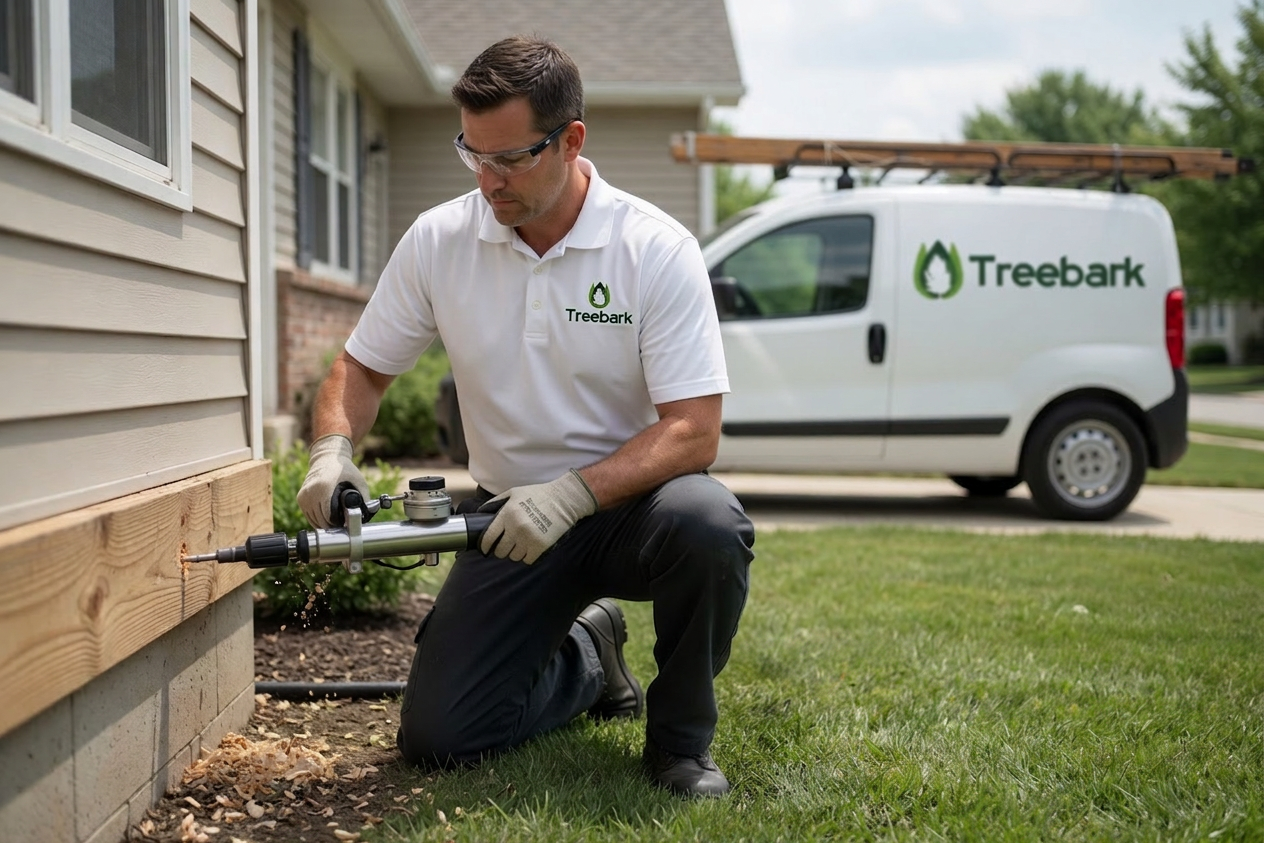
Environmental Drivers: Why Proactive Defense is Crucial Here
The Dominguez Channel is a major physical feature within Gardena's urban landscape. Areas influenced by drainage infrastructure, landscaping, and irrigation should be evaluated when moisture-related pest activity repeatedly appears.
Gardena is known for its attractive landscaping and established residential neighborhoods. Trees and dense planting can make properties more comfortable and visually appealing while simultaneously hiding fences, roof edges, foundations, and pest entry points.
Your Local South Bay Experts: The Treebark Team

Frequently Asked Questions
Are older Gardena homes more likely to have termites?
Does living near the Dominguez Channel increase pest risk?
Can mature landscaping hide termite activity?
Can you treat a Gardena home without tenting?
Why do ants keep returning after treatment?
The Treebark Final Treatment: Lasting Peace of Mind

The Post-Treatment Experience:
- Understand the Problem: Homeowners receive a clearer explanation of what was discovered, where treatment was focused, and what conditions deserve continued attention.
- Keep Life Moving: When targeted treatment is appropriate, the goal is to address identified pest activity while avoiding unnecessary disruption associated with whole-structure fumigation.
- Maintain the Property: Continued attention to exterior wood, irrigation, vegetation, drainage, and entry points can help reduce opportunities for recurring pest activity.
- Local, Reliable Support: Homeowners can communicate with a local team familiar with the inspection findings, treatment strategy, and property-specific recommendations.
What Gardena-Area Homeowners Say
Real Google reviews from our Torrance Google profile.
“Alex at Treebark Termite and Pest Control was fantastic. He showed up on time, was extremely professional and knowledgeable, and did the work carefully and quickly. The whole process with Treebark from the inspection, the work, and payment was excellent. The price also cannot be beaten.”
Evan N. · via Google (Torrance profile)
“Daniel was extremely thorough when it came to explaining what he was seeing and what was going on in my house. He was so nice and very respectful while walking around! I would absolutely recommend him and the company.”
Lauren Z. · via Google (Torrance profile)
“Very detailed and great pricing the process was easy and very thorough would recommend them to anyone. They have been servicing my house for over 30 years.”
Adam T. · via Google (Torrance profile)
“Guy checked out the house from top to bottom.”
Eric I. · via Google (Torrance profile)
Services in Gardena
- Termite Inspection
- Termite Control
- No-Tent Termite Treatment
- Drywood Termite Control
- Pest Control
- Rodent Control & Exclusion
Nearby Cities We Serve
- Pest Control in Compton
- Pest Control in Carson
- Pest Control in Torrance
- Pest Control in Hermosa Beach
- Pest Control in Redondo Beach
- Pest Control in Manhattan Beach
- Pest Control in El Segundo
Calls answered 24/7: (888) 559-8816