Protect Your Corona del Mar Home—No Tents Needed
- Complimentary, Zero-Obligation Home Inspections
- Simultaneous Termite Elimination & Nuisance Pest Control
- 100% Free From Toxic Tent Fumigation
- Naturally Derived, Child & Pet-Conscious Formula
- Independent, Locally Owned South County Specialists
Book a Pest
Control Treatment


The Coastal Bluff Threshold: Why Corona del Mar Homes Are Under Attack
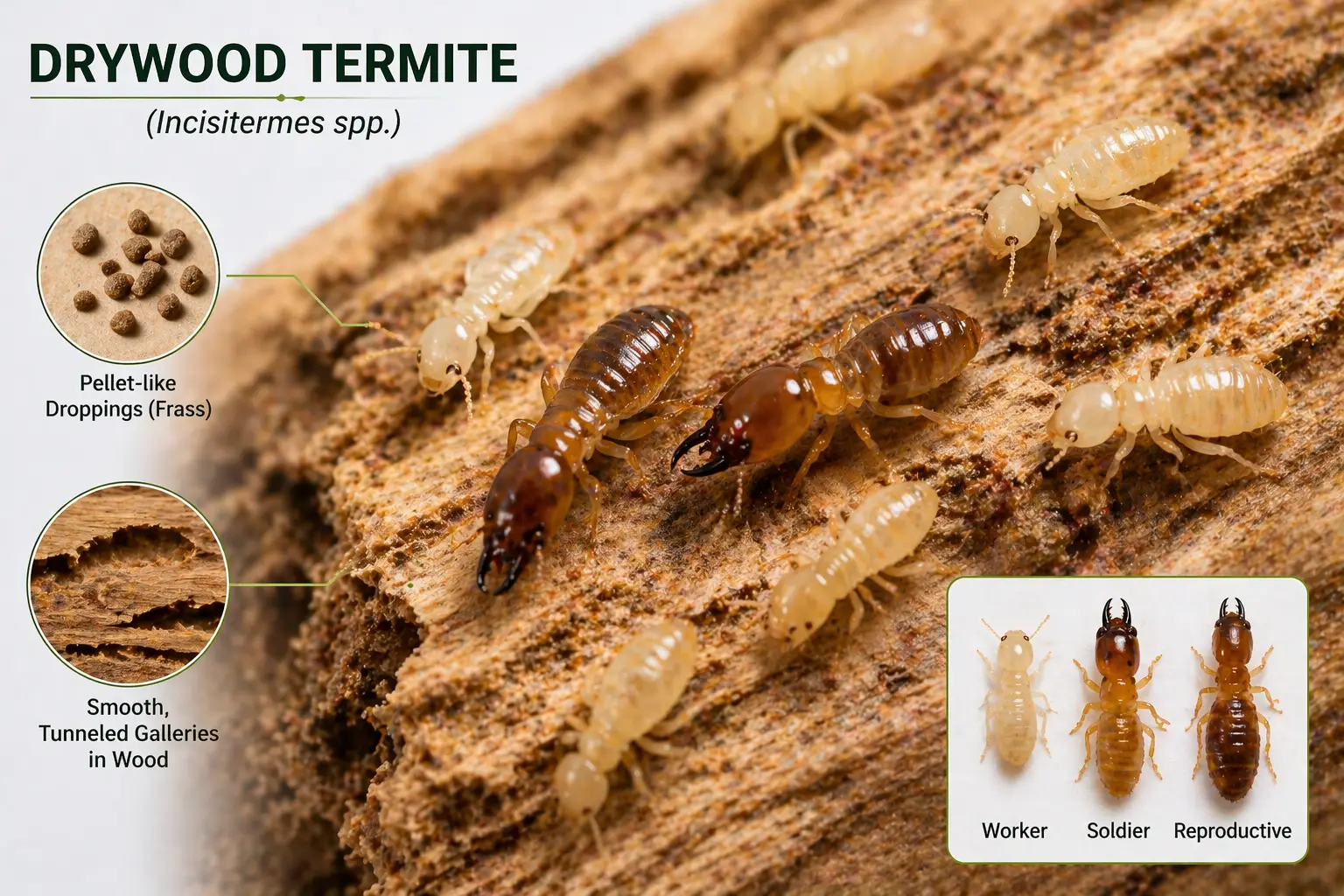
The premium structural lumber framing CdM’s blufftop and Village residences is constantly exposed to relentless sea salt, heavy morning marine fog, and intense coastal sun. This environmental cocktail rapidly degrades paint, sealant, and original chemical wood treatments. Whether your property is a historic cottage or a newly built architectural estate, exposed ceiling beams, cantilevered ocean-view balconies, and custom wood siding become highly attractive to Drywood termites, which ride the coastal winds off the Pacific to colonize your home from the roof down.
To maximize ocean views on terraced hillsides, many CdM estates incorporate subterranean garages, multi-level basements, and complex retaining walls cut directly into coastal bluffs. Combined with dense perimeter landscaping and irrigation, massive amounts of moisture get trapped against the foundation soil. Subterranean termites—which depend on high moisture levels to survive—flourish in these damp conditions, building hidden mud tubes up through microscopic slab cracks to silently devour ground-floor framing and custom cabinetry.
Living adjacent to Buck Gully Reserve or the coastal bluffs provides stunning nature views, but it also places your home directly on the frontline of a wild chaparral ecosystem. Invasive Argentine ants, roof rats, field mice, and spiders use the continuous canyon brush, hiking trails, and lush parkways as natural highways, migrating straight out of the reserve and into your outdoor kitchens, garages, and living areas when coastal temperatures shift.
Precision Risk Assessment: Inspecting CdM’s Architecture
Probing structural joists, posts, and underside voids that regularly suffer from marine moisture rot and Drywood termite infestation.
Inspecting the narrow, shaded gaps between densely packed homes along the flower streets where moisture stays trapped and pests travel between properties.
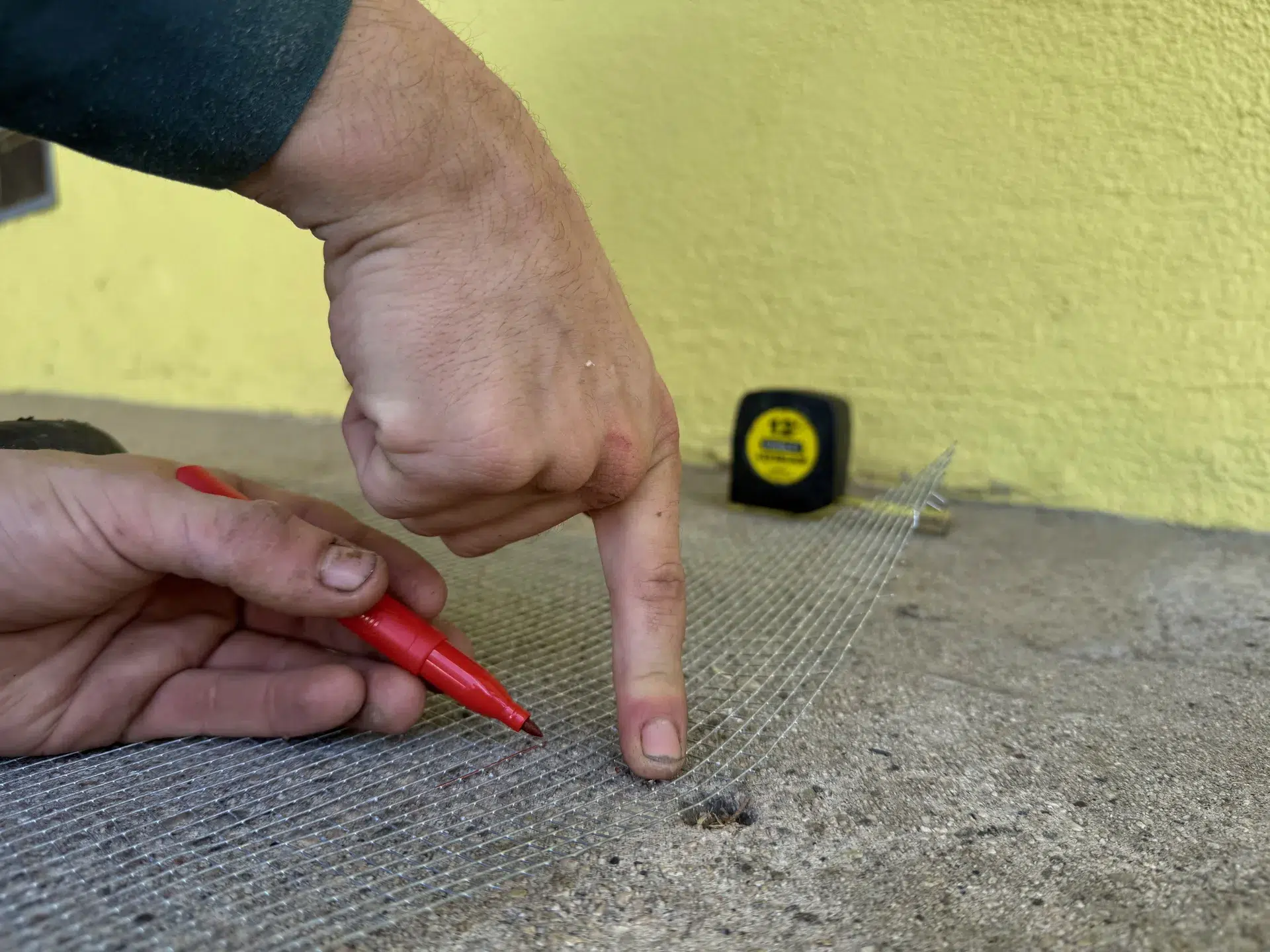
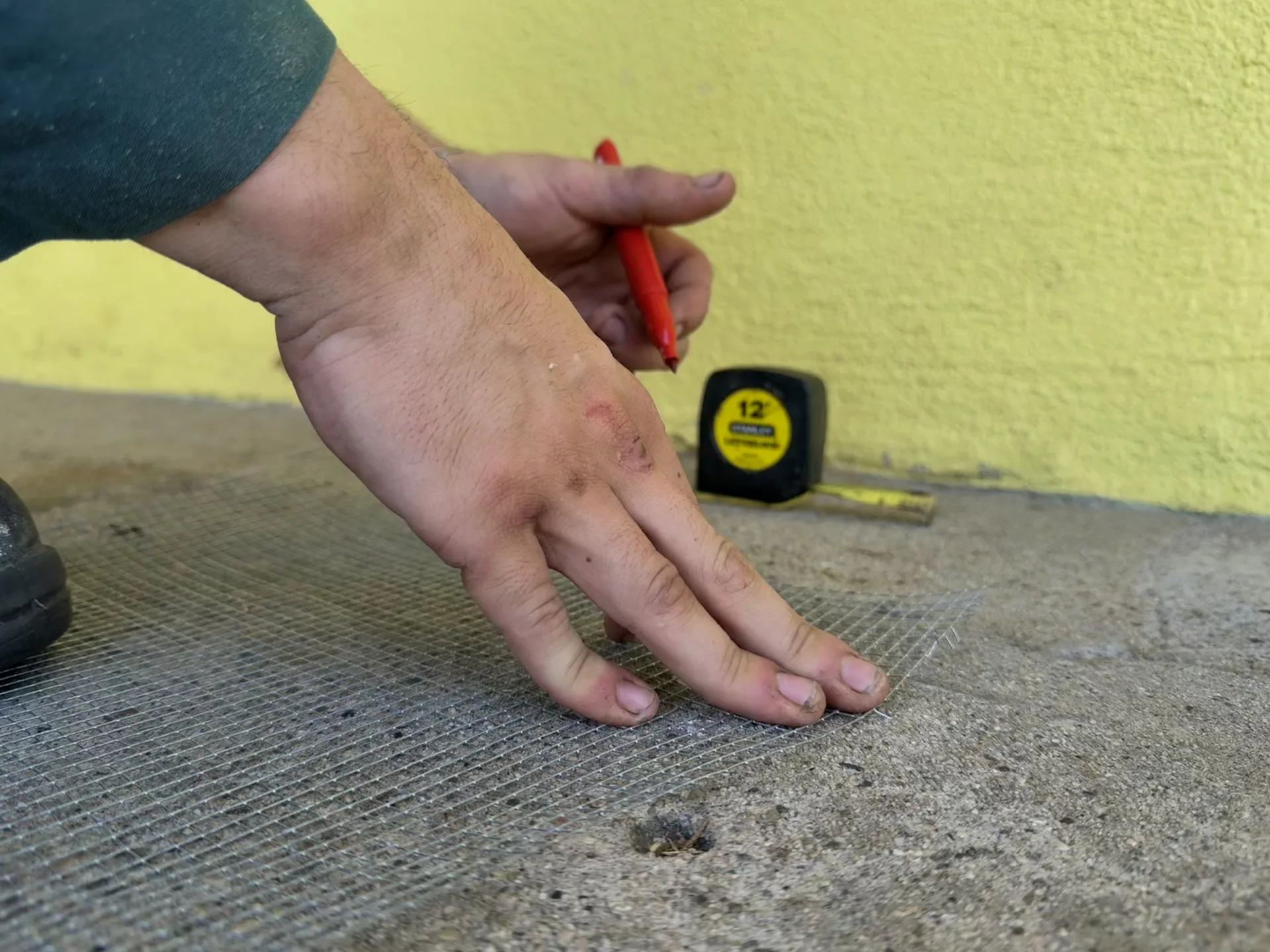
Searching the foundation expansion joints and concrete seams in multi-level basements where subterranean termite mud tubes originate.
Evaluating perimeter walls and custom wood fencing bordering protected wildlands for rodent entry points and pest harborage.
Scanning architectural overlaps, rooftop decks, and copper/wood fascia where wind-blown Drywood swarmers bypass exterior seals.
Identifying the subtle "kick-out holes" and sand-like droppings (frass) that indicate active Drywood termite colonies inside your custom woodwork.
The Treebark Advantage: Smarter Science for Exclusive Coastal Living
| Factor | The Outdated Tenting Process | The Treebark Advantage |
|---|---|---|
| Active Agents | Harsh, highly volatile synthetic gases | A naturally derived, biomimetic compound |
| Family Logistics | Mandatory hotel stays; exhausting physical prep | Zero prep work; completely non-disruptive to your schedule |
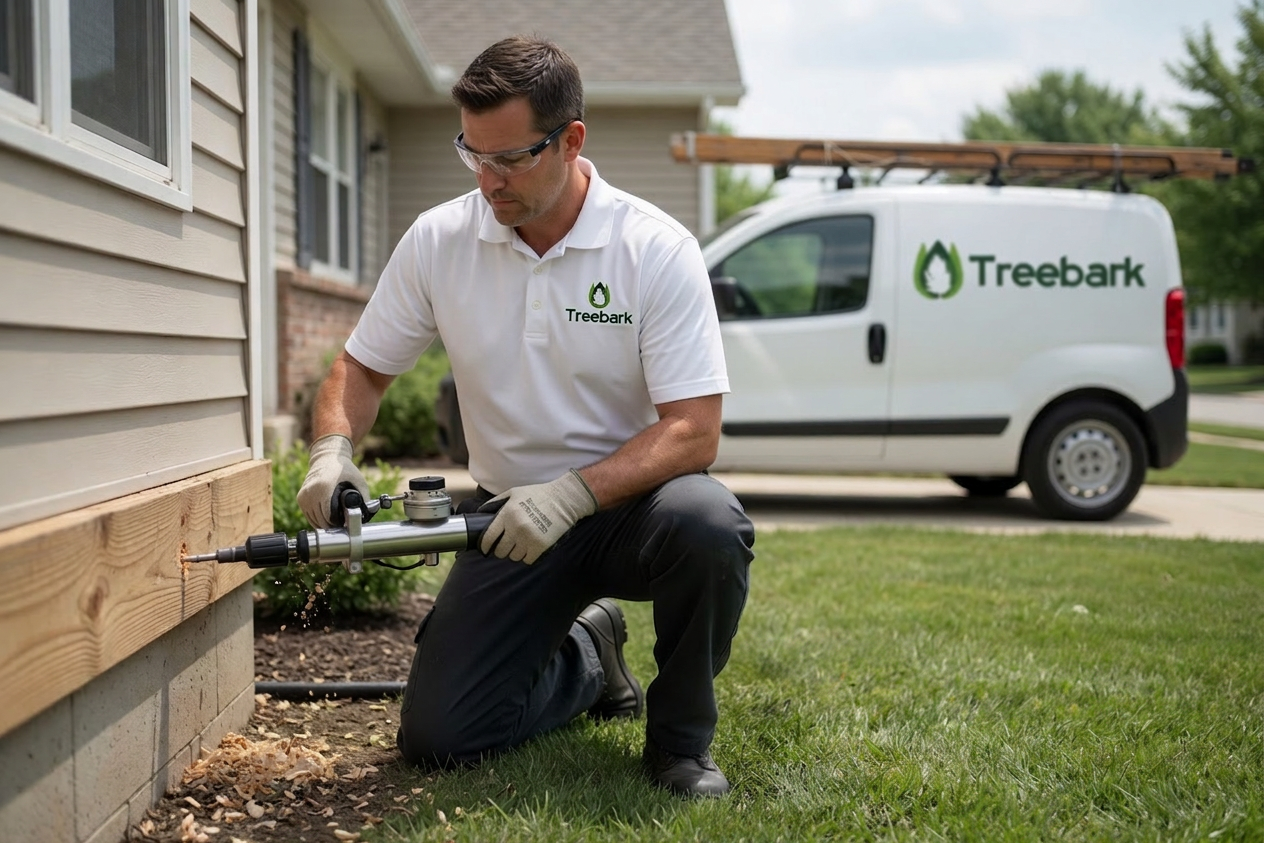
| Neighborhood Disruption | Requires massive flatbed trucks blocking narrow flower streets or alleyways | Discreet, localized treatments using standard service vehicles that easily park on CdM streets |
| Safety Profile | Dangerous to mammals, pets, and potential ocean/harbor runoff risks | Specifically targets insect biology; inherently safe for children, pets, and the coastal ecosystem |
| Preventative Power | Gas dissipates instantly; leaving the home completely defenseless | Bonds at a molecular level to the structure for up to 10 years of ongoing security |
Local Case Study: Rescuing an Estate Overlooking Buck Gully
The Discovery
The Accurate Diagnosis
The Treebark Solution
- Timeline: Completed in a single morning while the family spent the day at Little Corona Beach.
- Disruption: Zero. No hotel stays, no packing up fine wines or food, and no toxic gas residues left inside.
- Outcome: Swarming stopped immediately, the subterranean colony collapsed within days, and the estate is now permanently protected with a 10-year residual barrier.
The Specific Pests Plaguing Corona del Mar Properties

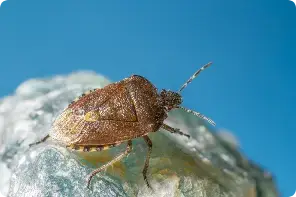
The primary threat to custom rooflines, exposed oceanfront beams, and viewing decks. They swarm aggressively during late summer and fall, riding Pacific ocean currents to invade homes from the roof down.
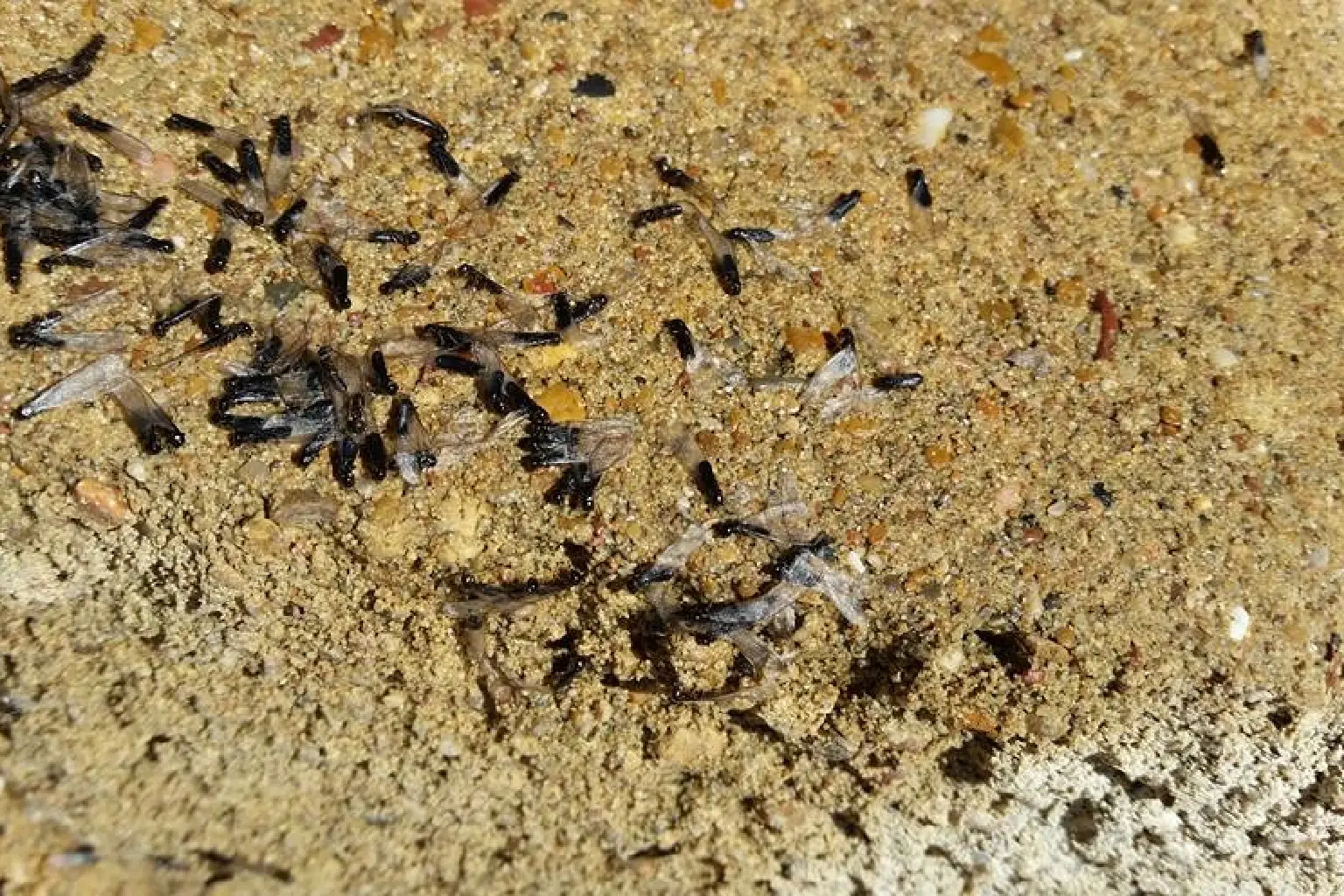
Driven by high coastal water tables and irrigated bluff-side landscaping, these pests build mud tubes up foundation walls, silently destroying structural studs behind lower-level drywall.

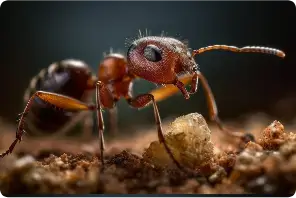
The ultimate coastal nuisance. During warm summer spells, these massive super-colonies abandon drying canyon soils and march directly into kitchen pantries and bathrooms in search of moisture.
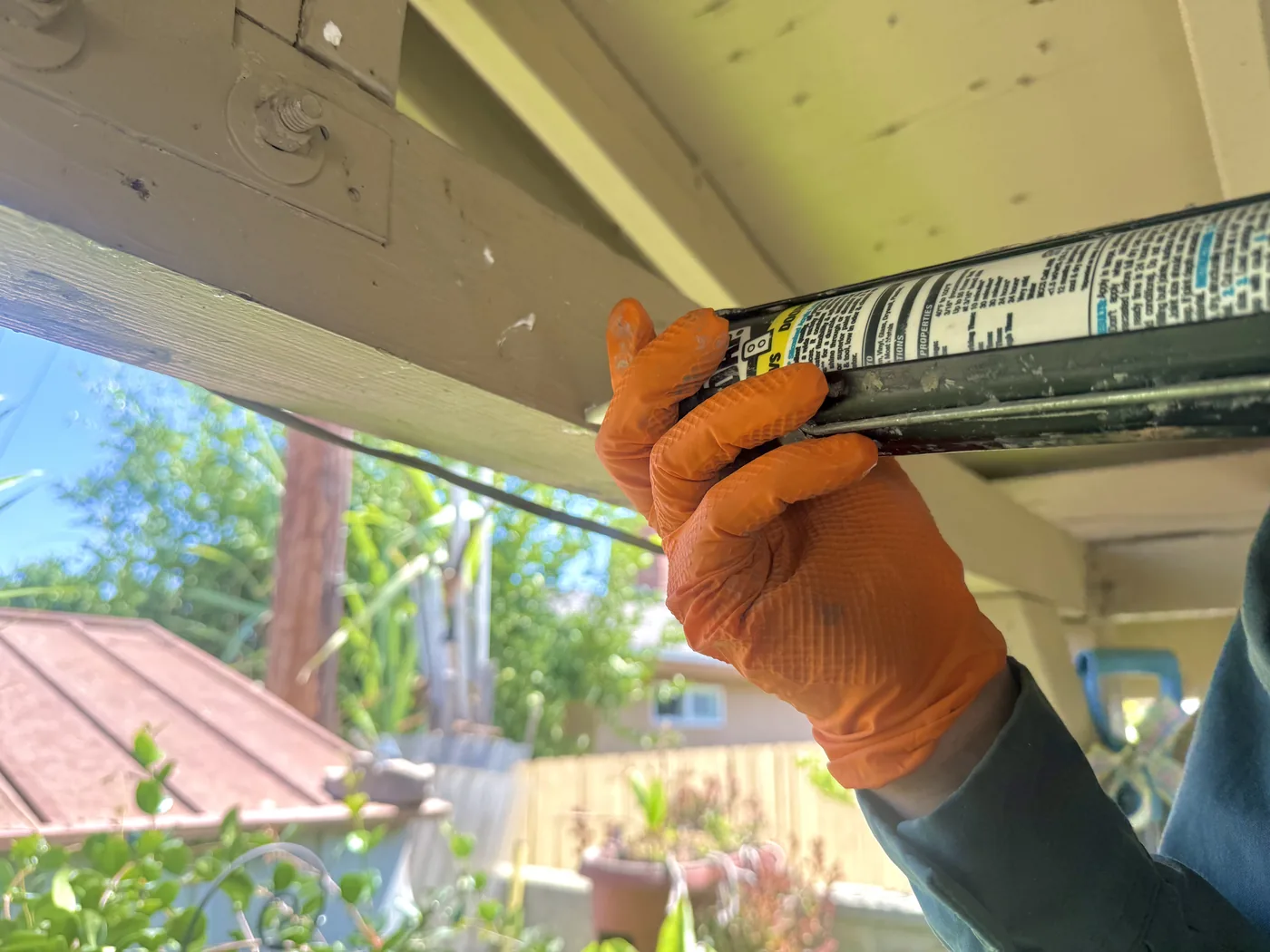
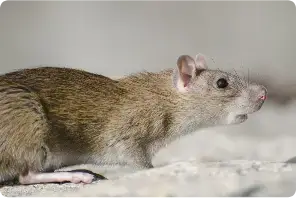
The dense chaparral of Buck Gully and the proximity to coastal restaurants along PCH provide ideal harborage for roof rats and black widows, which seek shelter inside attics, garages, and subterranean levels as seasons change.
Neighborhoods & Zones We Serve in Corona del Mar
Providing Seamless Service to Homes in:
- The Village (Flower Streets): Targeted, zero-prep treatments ideal for high-density, attached, or zero-lot-line properties where tenting is virtually impossible without impacting neighbors.
- Cameo Shores & Cameo Highlands: Elite, discreet protection for expansive ocean-view custom estates and complex architectural woodwork.
- Irvine Terrace & Harbor View Hills: Proactive termite and pest defense for terraced hillside homes with sweeping ocean and harbor views.
- Ocean Blvd & Blufftop Estates: Specialized defense for properties directly exposed to extreme salt air, heavy marine fog, and high coastal wind currents.
Environmental Drivers: Why Proactive Defense is Crucial Here
Positioned directly on coastal bluffs overlooking the ocean, CdM is constantly exposed to onshore breezes and Santa Ana wind gusts coming out of the canyons. These wind currents act as a highway for airborne Drywood termites, carrying swarmers from wilderness brush directly onto residential roofs.
The combination of daily marine layers, ocean fog, and dense hillside irrigation creates lingering microclimates of high humidity. Moisture gets trapped in shaded zero-lot-line alleys and along retaining walls, providing subterranean termites and Argentine ants with the exact moisture reserves they need to flourish year-round.
Your Local Orange County Experts: The Treebark Team
Frequently Asked Questions
My Village home is on a zero-lot-line property. Can you treat it without affecting my neighbor?
Is the Treebark formula safe for my family, pets, and the nearby marine ecosystem?
Will treating my roof for termites damage my custom tiles or copper fascia?
How quickly can you stop an ant invasion coming from Buck Gully?
Do I need approval from my local HOA or the city for your treatment?
The Treebark Final Treatment: Lasting Peace of Mind
The Post-Treatment Experience:
- Immediate Return to Normalcy: There are absolutely no waiting periods. Your family can resume playing in the yard, enjoying the balcony views, or walking to the beach the second we finish.
- Odorless & Clean: Our plant-inspired solutions are scent-free and leave zero sticky residues, chalky films, or stains on your property.
- A Decade of Defiance: Your home gains an active, ten-year biological defense against seasonal ant migrations, subterranean breaches, and wind-blown coastal termite swarms.
- Local, Reliable Support: If extreme South County coastal weather ever pushes pests to test our barrier, your dedicated local team is just a phone call away, ready to maintain your home’s absolute defense.