Tent-Free Pest Control for Cudahy
- Complimentary, Zero-Obligation Home Inspections
- Simultaneous Termite Elimination & Nuisance Pest Control
- 100% Free From Toxic Tent Fumigation
- Naturally Derived, Child & Pet-Conscious Formula
- Independent, Locally Owned South County Specialists
 (888) 559-8816Calls answered 24/7
Book your visit online
Pick a service, enter your ZIP and choose an open time. Serving Los Angeles, Orange and Riverside Counties.
Prefer to talk? Call (888) 559-8816. Calls answered 24/7.


The Urban Neighborhood Threshold: Why Cudahy Homes Are Under Attack
Cudahy's early development was based around large lots where residents could maintain gardens, fruit trees, and small agricultural uses. Over subsequent decades, much of that land transitioned into denser residential development. Historical records describe the evolution from the original “Cudahy Acres” lots into a much more compact urban community. That long development history means properties can contain a mixture of older construction, additions, replacement materials, aging fences, garages, utility structures, and newer residential improvements. Exterior wood can deteriorate gradually even when a home appears well maintained. Fascia, trim, window frames, garage components, fences, and other wooden elements may develop cracks, gaps, or concealed spaces where termites can establish themselves. Drywood termites can remain hidden inside dry wood without requiring a direct connection to the soil. Homeowners may first notice frass, discarded wings, small holes, or localized wood deterioration rather than seeing the insects themselves.
Cudahy's transition from large agricultural parcels to a densely developed residential community changed the relationship between homes, landscaping, hardscape, and drainage. Modern properties may have relatively limited outdoor space, meaning irrigation, vegetation, patios, fences, and structures can sit close together. A leaking faucet, sprinkler overspray, damp soil, clogged drainage point, or moisture collecting beside a foundation can create a favorable environment for subterranean termites and nuisance pests. When structures and property boundaries are close together, pest pathways can also be difficult for homeowners to identify. A professional inspection can determine whether moisture or landscaping is helping pests remain close to the structure.
Cudahy is immediately adjacent to the Los Angeles River and the 710 Freeway, while its planning documents identify residential, Atlantic Avenue, and industrial districts as important components of the city's land-use structure. These surrounding environments do not automatically create residential infestations, but they place homes within a highly active urban setting. Rodents, cockroaches, ants, and other adaptable pests can find food, water, shelter, waste, and protected travel routes in commercial and infrastructure areas before moving toward residential properties. For homeowners, controlling the transition between the outside environment and the house becomes particularly important.
Precision Risk Assessment: Inspecting Cudahy Home Architecture
Inspecting fascia, eaves, roof edges, trim, window framing, vents, and other wood components for evidence of Drywood termite activity, deterioration, and concealed entry points.
Checking foundation lines, slab transitions, soil, hardscape, fences, and landscaping for moisture, cracks, mud tubes, soil contact, and protected routes that may allow subterranean termites to approach the structure.
Examining garages, storage areas, sheds, utility spaces, and other structures for rodent entry, termite evidence, nesting, damaged seals, and connections between exterior pest activity and indoor areas.
Evaluating sprinkler patterns, planted borders, shrubs, tree bases, damp soil, and areas where water may collect close to the home. Even a relatively small moisture source can become important when it remains near the structure.
Looking around plumbing, sinks, cabinets, appliances, bathrooms, utility penetrations, and other locations where ants, cockroaches, and moisture-seeking pests may find dependable resources.
Checking fences, gates, trash areas, exterior storage, vegetation, and other perimeter conditions where rodents, insects, and other pests may find shelter before reaching the house.
The Treebark Advantage: Smarter Science for Cudahy Homes
| Factor | The Outdated Tenting Process | The Treebark Advantage |
|---|---|---|
| Active Agents | Whole-structure fumigation using volatile gases | Targeted application using a specialized pest-control compound |
| Family Logistics | May require extensive preparation and temporary relocation | Designed to minimize unnecessary household disruption |
| Property Access | Requires preparation to enclose the entire structure | Focused treatment can work around identified problem areas |
| Treatment Focus | Treats the structure as one enclosed space | Concentrates on identified pest activity and vulnerable locations |
| Preventative Power | Addresses the existing infestation | Combines treatment with inspection and identification of contributing conditions |
Local Case Study: Tracing Recurring Ant Activity in a Cudahy Home
The Discovery
The Accurate Diagnosis
The Treebark Solution
- Timeline: Treatment is scheduled according to the pest activity, affected areas, and selected treatment method.
- Disruption: The objective is to address the infestation while keeping normal household routines intact whenever the treatment protocol allows.
- Outcome: The active ant pressure is treated while the homeowner receives recommendations concerning moisture, entry points, and exterior conditions that may contribute to future activity.
The Specific Pests Plaguing Cudahy Properties
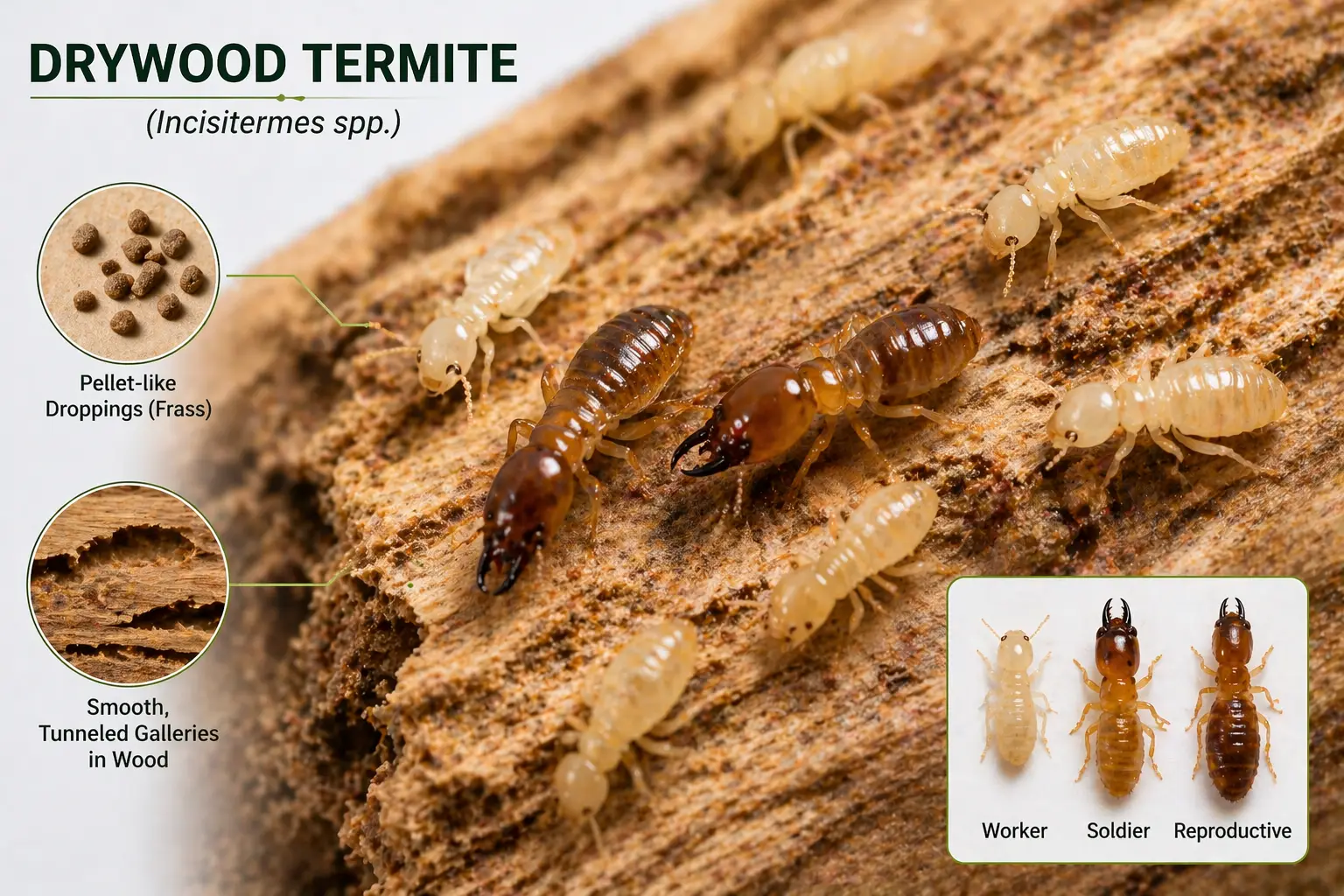
Drywood termites can establish colonies inside dry structural wood without maintaining a direct connection to soil. Roof components, fascia, window framing, garages, trim, fences, and other wooden portions of established homes can provide concealed locations.
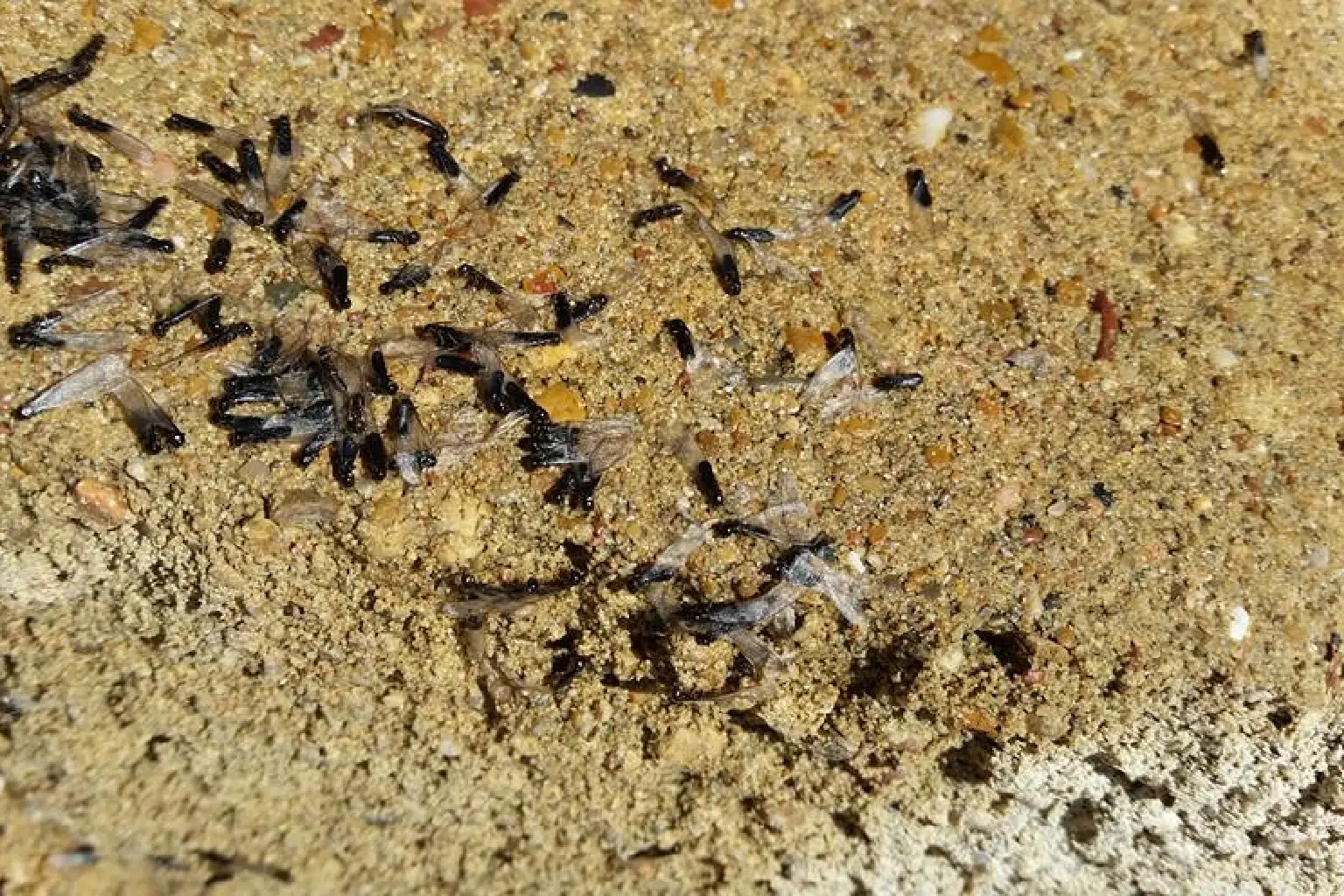
Subterranean termites can move through soil and moisture-related pathways toward structures. Foundation edges, cracks, utility penetrations, damp landscaping, and soil-to-structure contact can all create opportunities for concealed access.

Ants can become persistent household pests when they have access to water, food, and protected travel routes. They may move from narrow planting areas, exterior walls, patios, utility openings, and other outdoor locations into kitchens and bathrooms.
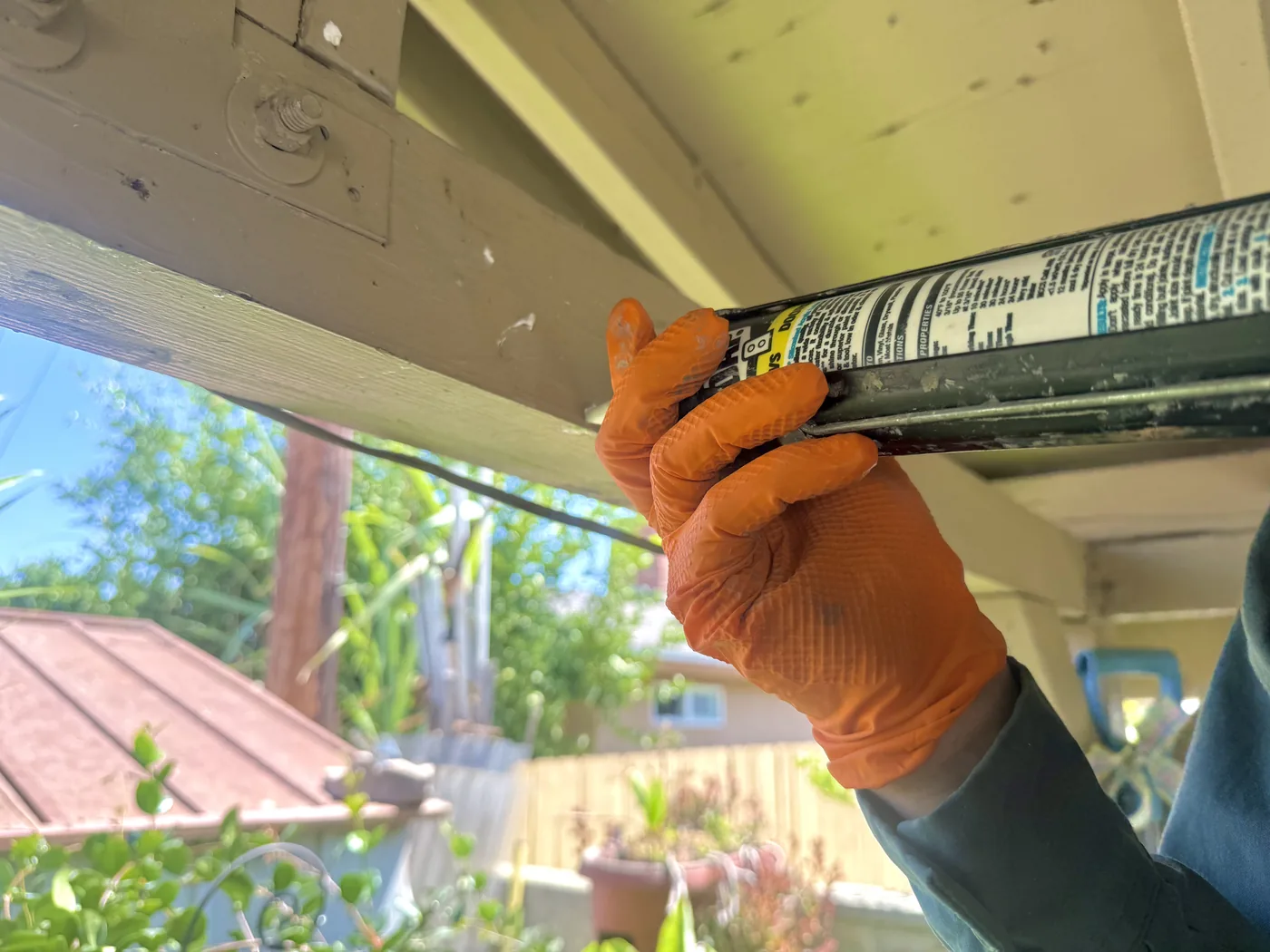
Rodents and cockroaches are highly adaptable urban pests. Garages, trash areas, utility spaces, alleys, storage areas, commercial surroundings, and structural gaps can provide shelter before pests move into kitchens, wall voids, attics, or other protected areas.
Neighborhoods & Areas We Serve in Cudahy
Providing Service to Homes Throughout:
- Atlantic Avenue & Central Cudahy: Targeted pest control for homes near the city's commercial corridor, with attention to ants, cockroaches, rodents, termites, garages, and exterior entry points.
- Cudahy Park & East Cudahy: Local pest management for established residential properties near Cudahy Park and the Los Angeles River, with attention to landscaping, moisture, exterior wood, rodents, and nuisance insects. Cudahy Park is located in the eastern part of the city adjacent to the Los Angeles County River.
- Residential Areas Near the Industrial District: Pest services for homes located near commercial and industrial uses, with particular attention to adaptable urban pests such as rodents, cockroaches, ants, and termites.
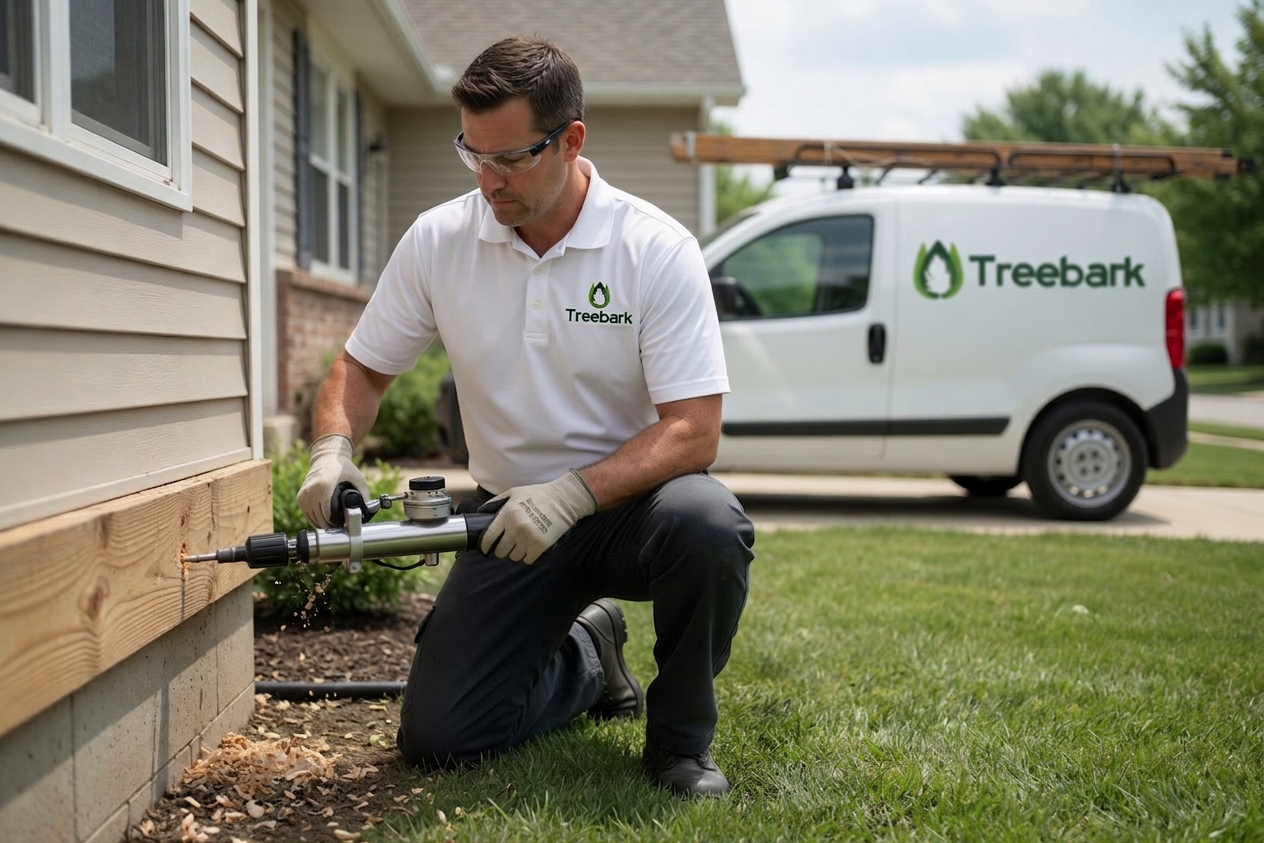
Environmental Drivers: Why Proactive Defense Matters in Cudahy
Cudahy's location in Southeast Los Angeles places homes within a warm Southern California environment where many household pests can remain active for significant portions of the year. Warm periods can increase ant activity and influence the movement of cockroaches, spiders, rodents, and other nuisance pests. Seasonal changes can also affect termite swarming and other insect behavior. Because pest activity may continue outside a short winter season, homeowners benefit from addressing early signs rather than waiting until insects become widespread indoors.
Cudahy Park is located next to the Los Angeles River and includes grass fields, trees, recreational facilities, open space, and other amenities. Residential properties near landscaped or recreational areas may encounter more outdoor pest activity simply because vegetation and shelter are available nearby. That does not mean parks cause infestations, but it makes the boundary between outdoor habitat and residential structures worth monitoring. Overgrown vegetation, accumulated debris, irrigation, and openings around doors or foundations can make it easier for pests to move from outdoor areas toward homes.
Your Local Southeast Los Angeles Experts: The Treebark Team

Frequently Asked Questions
Is my Cudahy home at risk for termites even if I don't see any termites?
Does living near the Los Angeles River increase my pest risk?
My property has very little yard space. Can pests still become a problem?
Can you inspect my home for both termites and nuisance pests?
Why do ants keep returning after I spray the ones I see?
The Treebark Final Treatment: Lasting Peace of Mind

The Post-Treatment Experience:
- Immediate Return to Normalcy: When the selected treatment permits normal occupancy, your household can return to its regular routine after service is completed and the technician has provided any required instructions.
- Focused & Clean: Treatment is concentrated around identified pest activity and vulnerable areas rather than automatically applying the same approach throughout every part of the property.
- A Stronger Defense Against Recurring Activity: Sealing entry points, correcting moisture problems, maintaining landscaping, monitoring exterior wood, and reducing accessible food sources can make the property less attractive to recurring pest activity.
- Local, Reliable Support: Pest conditions can change with weather, landscaping, construction, commercial activity, and seasonal patterns. If a new concern develops, a local inspection can help determine what has changed and what should happen next.
FAQ: Pest Control in Cudahy
Do you charge for a termite inspection in Cudahy?
Not for homeowners. The standard termite inspection is free. If you're buying or selling, escrow inspections are a separate service, so mention it when you book.
Is Cudahy in your service area?
It is. We cover all of Cudahy, including the long, narrow lots near the LA River, Clara Street Park and the Atlantic Avenue area. You can book online or call (888) 559-8816.
How soon can someone get to my Cudahy home?
Most Cudahy appointments happen within a day or two. Book online or call (888) 559-8816 and we'll find the earliest slot.
Do I have to tent my house for termites?
Not always. Many Cudahy homes can be treated with local, no-tent treatments. If the infestation is widespread, we'll tell you plainly when tenting is the better option.
Can you get rid of rats in my Cudahy attic?
Yes. We find how they're getting in, set traps, and seal the gaps so they don't come back. Small homes with back units often have openings at vents and rooflines.
Can you help with ants and other household pests?
Yes. Ants, spiders, roaches and more are all covered. Book online or call (888) 559-8816.
What Cudahy-Area Homeowners Say
Real Google reviews from our San Marino Google profile.
“My house had a lot of pests roaming around. Treebark Termite and Pest Control arrived and helped me get rid of them once and for all. Now I call them regularly for inspection. Great job!”
Jared R. · via Google (San Marino profile)
“Treebark team has been providing pest control treatment at our office premises for the last two years, and I am very impressed with their level of service. Thanks!”
Jennifer C. · via Google (San Marino profile)
“I can't say enough good things about Aaron and Treebark Termite and Pest Control. We recently had Aaron take care of both our brand-new building and one of our older spaces, and he was just phenomenal.”
Matthew P. · via Google (San Marino profile)
“Our technician is dave, so I am rating him as the representative of Treebark Termite and Pest Control. Dave is courteous and accommodating with his schedule, but most importantly, he shows up when he says he will. He performs an excellent job and simplifies the process for me as a consumer.”
Lunday L. · via Google (San Marino profile)
Services in Cudahy
- Termite Inspection
- Termite Control
- No-Tent Termite Treatment
- Drywood Termite Control
- Pest Control
- Rodent Control & Exclusion
Nearby Cities We Serve
- Pest Control in Bell
- Pest Control in Bell Gardens
- Pest Control in Commerce
- Pest Control in Downey
- Pest Control in Compton
- Pest Control in Bellflower
- Pest Control in Gardena
Calls answered 24/7: (888) 559-8816

