
Safe, Tent-Free Pest Control for Commerce
- Complimentary, Zero-Obligation Home Inspections
- Simultaneous Termite Elimination & Nuisance Pest Control
- 100% Free From Toxic Tent Fumigation
- Naturally Derived, Child & Pet-Conscious Formula
- Independent, Locally Owned South County Specialists
Book a Pest
Control Treatment


The Industrial Threshold: Why Commerce Homes Are Under Attack
Commerce grew substantially during the twentieth century as industry and transportation expanded throughout the region. The city's residential areas therefore exist alongside a much older built environment that includes homes, garages, fences, utility structures, and other components that may have experienced decades of weather exposure and repairs. A home's exterior can look well maintained while still containing vulnerable wood or concealed entry points. Aging fascia, roof edges, window frames, garage trim, fences, and other wood components may develop small openings that termites can exploit. Drywood termites are especially difficult to detect because they can establish colonies directly inside dry wood. Homeowners may not see the insects themselves and instead notice frass, discarded wings, blistered surfaces, or localized deterioration.
In a compact city dominated by paved surfaces, buildings, roads, industrial facilities, and transportation infrastructure, small areas of persistent moisture can become disproportionately important. Leaking outdoor fixtures, irrigation near residential properties, clogged drainage, damp soil beside foundations, and moisture around utility areas can provide favorable conditions for subterranean termites, ants, cockroaches, and other pests. Subterranean termites can travel through protected soil pathways before reaching structural wood. Small foundation gaps, cracks, utility penetrations, and areas where landscaping touches the building can all deserve inspection.
Commerce's location and industrial identity are closely tied to transportation. Major freeways, rail infrastructure, commercial facilities, and warehouse operations surround residential neighborhoods, making the city a particularly active urban environment. (ci.commerce.ca.us) This does not mean industrial areas automatically cause residential pest problems. It does mean that homes exist within an environment where goods, food, packaging, waste, vehicles, storage, and human activity are constantly moving. Rodents, cockroaches, ants, and other nuisance pests are highly adaptable to these conditions. When they find shelter and an accessible opening, a nearby home can become an attractive secondary environment.
Precision Risk Assessment: Inspecting Commerce Home Architecture
Inspecting roof edges, fascia, eaves, trim, vents, window framing, and other wooden components where Drywood termites may establish concealed colonies.
Checking foundation edges, slab transitions, plumbing penetrations, cable lines, utility entrances, cracks, and soil contact for potential routes used by subterranean termites and nuisance pests.
Examining garages, storage rooms, sheds, and other areas that can provide shelter for rodents, cockroaches, spiders, and termites while also creating direct access to the living portion of the home.
Looking for leaking faucets, sprinkler overspray, damp soil, clogged drainage, standing water, and other moisture sources that can make the perimeter more attractive to pests.
Evaluating kitchens, pantry areas, utility spaces, exterior trash locations, and other places where food residue or waste can attract ants, cockroaches, rodents, and other scavenging pests.
Checking fences, gates, alleys, detached structures, vegetation, and other perimeter areas where pests can establish shelter before moving toward the home.
The Treebark Advantage: Smarter Science for Commerce Homes
| Factor | The Outdated Tenting Process | The Treebark Advantage |
|---|---|---|
| Active Agents | Whole-structure fumigation using volatile gases | Targeted application using a specialized pest-control compound |
| Family Logistics | May require extensive preparation and temporary relocation | Designed to minimize unnecessary household disruption |
| Property Access | Requires preparation to enclose the entire structure | Focused service works around identified treatment areas |
| Treatment Focus | Treats the structure as one enclosed unit | Concentrates on identified pest activity and vulnerable locations |
| Preventative Power | Addresses the existing infestation | Combines treatment with inspection and identification of contributing conditions |
Local Case Study: Tracing Rodent Activity Around a Commerce Garage
The Discovery
The Accurate Diagnosis
The Treebark Solution
- Timeline: Treatment and exclusion recommendations are based on the identified activity and access points.
- Disruption: The objective is to address the problem while allowing the household to continue using the property normally whenever treatment requirements permit.
- Outcome: Active rodent pressure is addressed while the homeowner receives practical recommendations for reducing future access and shelter opportunities.
The Specific Pests Plaguing Commerce Properties
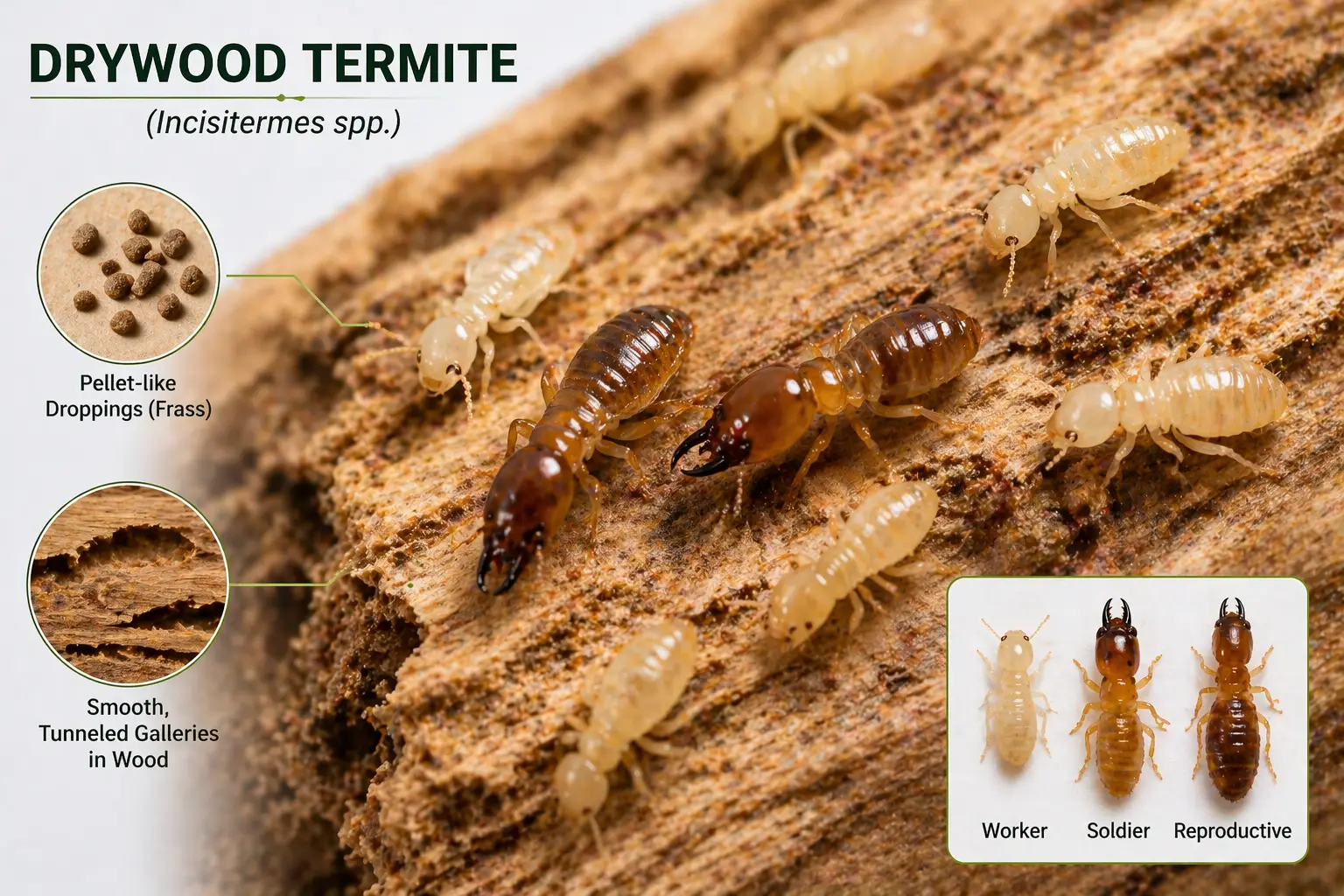
Drywood termites can establish colonies within dry structural wood without maintaining a direct connection to the soil. Roofline components, fascia, window framing, garages, trim, and other wooden portions of older homes can provide concealed locations.
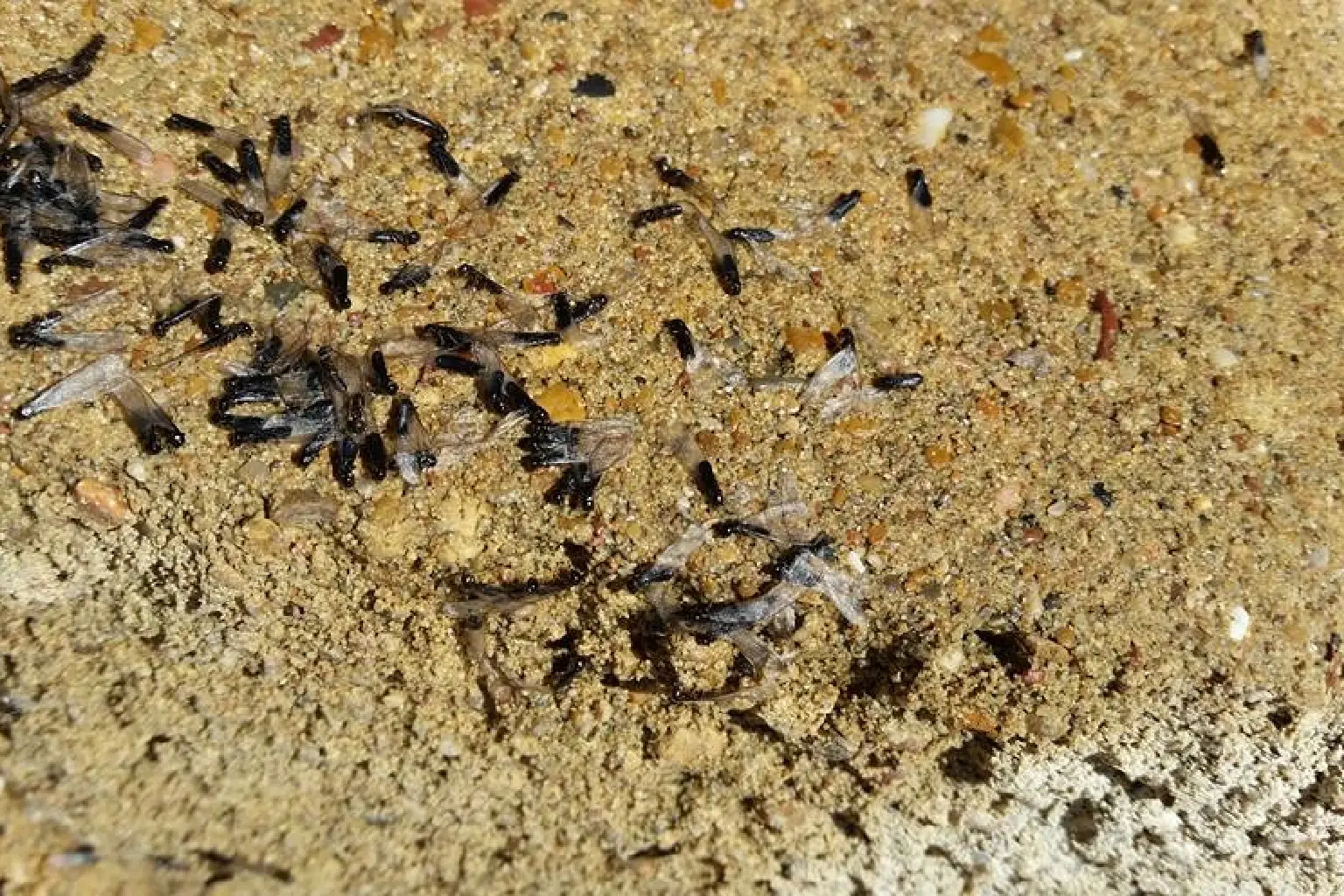
Subterranean termites can use soil, moisture, foundation cracks, utility penetrations, and protected pathways to reach structures. Damp areas near the foundation and landscaping contact deserve particular attention.

Ants are highly adaptable urban pests and can establish trails between outdoor nesting areas and residential interiors. Kitchens, bathrooms, plumbing areas, patios, and exterior walls can all become targets when food or water is available.

Garages, alleys, trash areas, storage spaces, commercial corridors, and building gaps can provide shelter for rats, mice, and cockroaches. Once a pest finds an accessible opening, it may move into wall voids, garages, kitchens, attics, or other protected areas.
Neighborhoods & Areas We Serve in Commerce
Providing Service to Homes Throughout:
- Bandini & Central Commerce: Pest management for established residential properties near commercial and industrial activity, with attention to rodents, cockroaches, ants, termites, garages, and perimeter entry points.
- Rosewood Park & Residential Commerce: Targeted service for homes around established neighborhood streets, parks, landscaping, garages, fences, and older exterior materials where recurring pest activity may develop.
- Commerce Casino & Washington Boulevard Area: Local pest control for residential properties near major commercial and transportation activity, with particular attention to rodents, ants, cockroaches, and other highly adaptable urban pests.
Environmental Drivers: Why Proactive Defense Matters in Commerce
Commerce is part of the densely developed Los Angeles Basin, where large areas of pavement, buildings, roads, warehouses, and other infrastructure can retain heat. For pests, warmth can help create favorable conditions for activity, particularly when food, water, and shelter are also available. Ants, cockroaches, rodents, and other nuisance pests can remain active around homes when the surrounding environment provides dependable resources. That makes sealing entry points, reducing food access, controlling moisture, and identifying outdoor harborage especially important.
Commerce's identity is closely connected to industry and transportation. The city has extensive commercial and industrial areas and is strategically positioned around major freeway and rail connections. (ci.commerce.ca.us) Residential properties located near these environments may experience pest pressure from multiple directions. Trash areas, loading zones, storage facilities, vegetation, drainage infrastructure, and older structures can all provide shelter or food for adaptable urban pests. The objective is not simply to eliminate pests that appear indoors. Effective prevention also considers what is happening immediately outside the property.
Your Local Southeast Los Angeles Experts: The Treebark Team

Frequently Asked Questions
Does living near industrial or commercial areas increase my home's pest risk?
My Commerce home is older. Should I have it inspected for termites?
Why are rodents getting into my garage even though the garage door closes?
Can you treat ants and cockroaches without treating my entire property?
Do I need to leave my Commerce home during treatment?
The Treebark Final Treatment: Lasting Peace of Mind

The Post-Treatment Experience:
- Immediate Return to Normalcy: When the selected treatment permits normal occupancy, your household can return to its regular routine after the technician completes service and provides any required instructions.
- Focused & Clean: Treatment is concentrated around identified pest activity and vulnerable areas rather than automatically applying the same treatment throughout unaffected portions of the property.
- A Stronger Defense Against Recurring Activity: Sealing entry points, improving garage seals, controlling moisture, reducing outdoor food sources, and maintaining exterior structures can help reduce opportunities for pests to return.
- Local, Reliable Support: Urban pest activity can change with construction, weather, commercial activity, landscaping, and seasonal conditions. If a new concern develops, a local inspection can help determine what has changed.