Stop Termites Now: Key Signs of a Termite Inspection
Stop Termites Now with Treebark Termite Control Services
Introduction
“Hands make houses, memories make it a home and termites make their own feeding on your wooden structure like a leech would do — silently growing in number and eating your your precious possession’s wood cellulose and churning it out into kaput powder”
Your valuables, be it your wooden armchair you bought for your weekends relaxations or the table that rigidly pillars as study table or a wooden handicraft you brought as a souvenir from a place that you had yearned to visit or that wooden cradle swing you bought for your toddler that not only plays the role of merrymaker but also protects them from falling on the ground — Some may be utilities while some would have your memories attached. Learn the signs of termite infestation early to protect them and consider a timely termite inspection to confirm activity and, if recommended, plan an annual termite inspection to stay ahead of problems.
Summary
This article explains how to spot early signs of termite activity and why prompt, professional inspections are essential to protect wooden belongings and home structures. It outlines termite inspection and treatment options, typical costs and terms, and what to expect from qualified providers using modern termite inspection tools. Guidance includes choosing specialists, understanding step-by-step inspection procedures, and planning annual inspections and multi-year treatments to prevent recurrence. Cost considerations—from free quotes and annual bonds to termite treatment cost per linear foot pricing—help homeowners budget and act quickly.
Factors included in termite inspection cost
Termite treatment and examination costs depend on different factors; we’ll go throughout the list so that you know precisely what to expect and how much you’ll have to spend. Your quote should outline the termite inspection cost as well as any projected termite treatment cost and available termite treatment options.

What Termite Inspection Will Cost You?
Contact local pest control companies to ascertain which ones offer a free examination and treatment quotes if you think you have a termite infestation. Ask for a written estimate that clearly details the termite inspection cost and any follow-up termite treatment cost, so you can compare providers of termite control services fairly.
The Manifestation
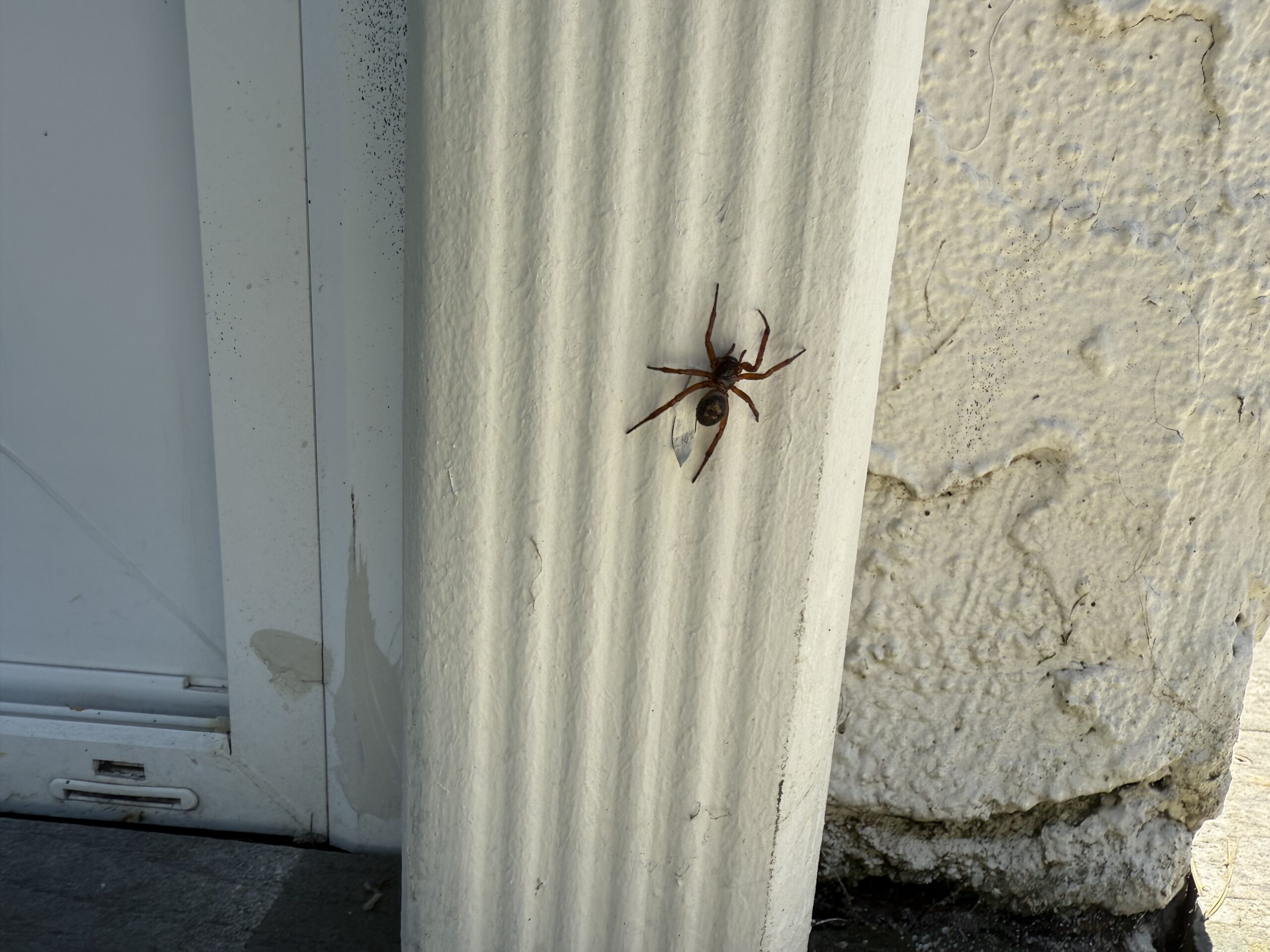
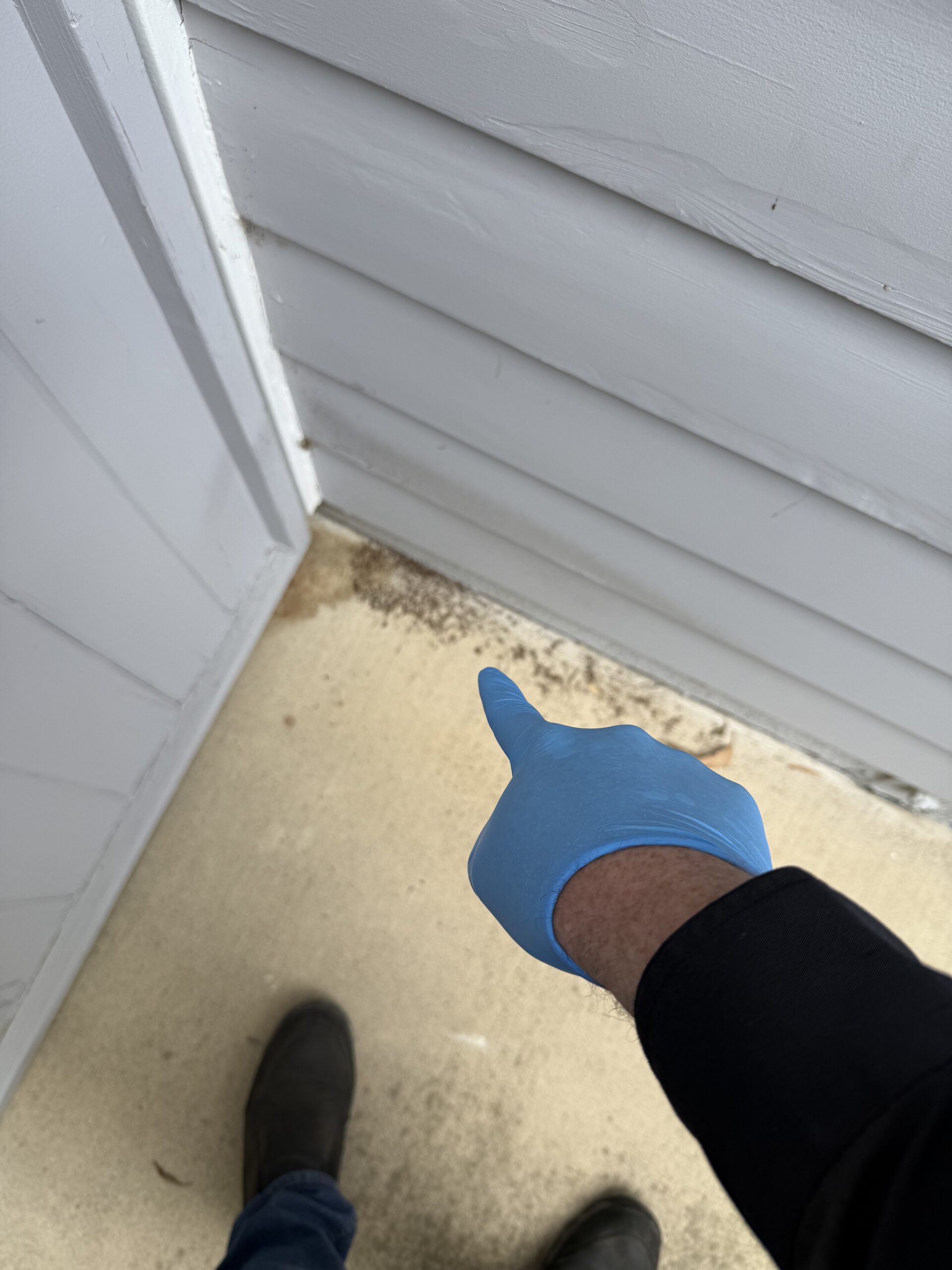
Sign that your valuables have been attacked by wooden insects is wood excavation, sag, and hollow woods, wood dust which eventually can cause humans allergy and asthma attack. A simple termite inspection checklist can help you note drywood termite signs such as frass, discarded wings, and hollow-sounding wood along with other common signs of termite infestation.
The question of the hour is what can be done to protect them. There are plenty of alternatives like orange oil, boric acid, nematodes, DIY termite controls, etc. to choose from, but what is more important is a selection of the solution one wants to opt for, which can be determined by conducting a proper termite inspection and reviewing suitable termite treatment options.
Numerous reasons for a termite examination are: A contracted annual examination or termite bond cost typically ranges from $200 to $300. Inspection techniques and methods are complex, and technicians should be trained in termite biology, infestation recognition, local building regulations, examination techniques, and control measures.
Silent features:
- Importance of termite inspection is augmenting these days not only because people want to avoid getting their valuable wooden items damaged but also because insurance companies don’t cover termite infestation.
- Termite damage does not have only tangible effects but impairs the house structure from within. Termites can also find shelter inside the walls, thereby weakening the house structure base. Timely termite inspection can help in keeping a check.
- The termite treatment cost can be around $100 depending upon the size of the house. Cost is often calculated as termite treatment cost per linear foot, so make sure your estimate explains the measurement used.
Termite Control inspection and Service
Finding the right Solution
A termite inspection is supervised under professionals who treat the enemy of the wood with chemicals, which takes a span of 3-5 days depending upon the severity of the problem—out of which two days are kept for getting rid of the chemical odor. It is always advisable to go to specialist service providers because they not only help you get rid of termites but also make sure the process is efficiently completed in limited time and there’s no leftover of
- termites, as even a small population can outgrow considerably in a short period of time, with queen termite life expectancy being a couple of decades and worker termites around one year; and
- chemicals or chemical odor, as they’re harmful.
Termite treatment covers up to the period of five years. Further, if your home isn’t treated for a significant period of time then it’s advisable to get it inspected once a year. The termite inspection cost is somewhere between $65 — $100.
The step by step procedure of termite inspection
A certified pest control professional should inspect for all wood-destroying organisms which include subterranean termites, dry wood termites, dampwood termites, beetles, carpenter ants, and carpenter bees. As homeowners, we depend on professionals to thoroughly and professionally inspect our property inside and out and provide an action plan so we may make an educated choice on the methodologies required to do away with the nasty problem. The inspection personals are well trained and know their job, so they can be trusted with the complete inspection.
After the initial step, the pest control service provider opts for the suitable chemical treatment, be it spraying into breeding holes and suspected areas or using carbohydrate termite bait traps or applying termite-free paint on the wooden floor and furniture.
The professional should begin by interviewing the homeowner about their concerns; what got them engaged in this termite inspection and any evidence you’ve come across indicating termite activity. Using modern termite inspection tools, the inspector’s arsenal can include humidity meters, listening devices, thermal imaging devices, and microwave meters. Because of motion detectors, odor sensors, and borescopes, the detection of infestations has become more accurate when compared to previous techniques where, because of the well-hidden, cryptic nature of termites, they were susceptible to miss a small infestation or consider a previous infestation as current. Inspecting for dry wood termite infestation signs, professionals that inspect dry wood termites will start with the outside of the home; this species, when swarming, will land on the roof and walk down to find an entrance to the ends of the home. Your professional must pay close attention to examine trouble areas such as shingles, eaves, wooden siding, exterior trim, door trim, porch roofs, supports, stair carriages, and trellises.
Professionals will draw an approximate diagram of the scrutinized part or imagine previous decal or drilled treatment. Inspectors should tell you where they found termites, should warn you about any termite harm, and conditions which are conducive to a future infestation. A home diagram will include the foundation type, outside and inside a house, a diagram will include the base type, structure that touch wall cladding, roofing type, and any other pools, lakes, and streams.
Conclusion
It’s better to detect the wooden insects before they start becoming an integral unwanted member of the house which feeds on its own habitat and abandons it in a fragile and shaky state. And for that, an annual termite inspection is necessary. As the old proverb says — Prevention is better than cure. A quick termite inspection checklist and guidance from qualified termite control services will help you act early and protect your home.

Frequently Asked Questions
Question: How can I tell if I have a termite problem early on?
Short answer: Look for multiple clues together. Common drywood termite signs include tiny piles of wood-colored pellets (frass), discarded wings near windowsills or light sources, and wood that sounds hollow when tapped. You may also notice wood that appears excavated, sagging or spongy spots, and fine wood dust that can aggravate allergies or asthma. A simple checklist that notes hollow-sounding trim, damaged eaves or siding, and unexplained piles of frass can help you decide when to call for a professional inspection to confirm activity.
Question: What does a professional termite inspection involve?
Short answer: A certified inspector will interview you about what you’ve seen, then examine the property inside and out for all wood-destroying organisms (subterranean and drywood termites, dampwood termites, wood-boring beetles, carpenter ants, and carpenter bees). They use modern tools—such as humidity meters, listening devices, thermal imaging, microwave meters, motion detectors, odor sensors, and borescopes—to find hidden activity. For drywood termites, they pay special attention to exterior trouble spots like shingles, eaves, wooden siding and trim, porch roofs, supports, stair carriages, and trellises. They’ll map findings on a diagram noting foundation type, areas inspected, and conditions that could lead to future infestations, then provide an action plan.
Question: How much does a termite inspection and treatment typically cost?
Short answer: Many providers offer free examinations and written treatment quotes; where inspections aren’t free, expect roughly $65–$100. Ongoing annual coverage or a termite bond commonly runs $200–$300. Treatment pricing is often expressed as termite treatment cost per linear foot, with the exact total depending on home size and severity. Some treatments can be around $100 according to the article, but the real cost varies widely, so ask for a detailed, written estimate that separates inspection fees, treatment options, and any follow-up costs to compare providers fairly.
Question: What treatments might be recommended, and how long do they take and last?
Short answer: After confirming activity, professionals may use targeted chemical applications into galleries and suspect areas, install carbohydrate-based bait systems, or apply protective coatings/paints on wood surfaces. A typical treatment window spans about 3–5 days depending on severity, with up to two days sometimes allotted for chemical odor to dissipate. Quality providers aim to leave no surviving termites and no harmful chemical residues or lingering odors. Many treatments carry protection for up to five years; if your home hasn’t been treated in a while, plan on annual inspections to catch any recurrence early.
Question: Why choose a specialist instead of DIY, and how often should I schedule inspections?
Short answer: Termite detection and control are complex and best handled by trained technicians skilled in termite biology, infestation recognition, local building regulations, inspection techniques, and control measures. Specialists use advanced detection tools and proven methods to ensure all activity is found and fully addressed—important because even a small colony can rebound quickly (queens can live decades; workers about a year). Since insurance typically doesn’t cover termite damage, prevention matters: schedule annual inspections and consider multi-year treatment plans to protect both your home’s structure and your valuables.