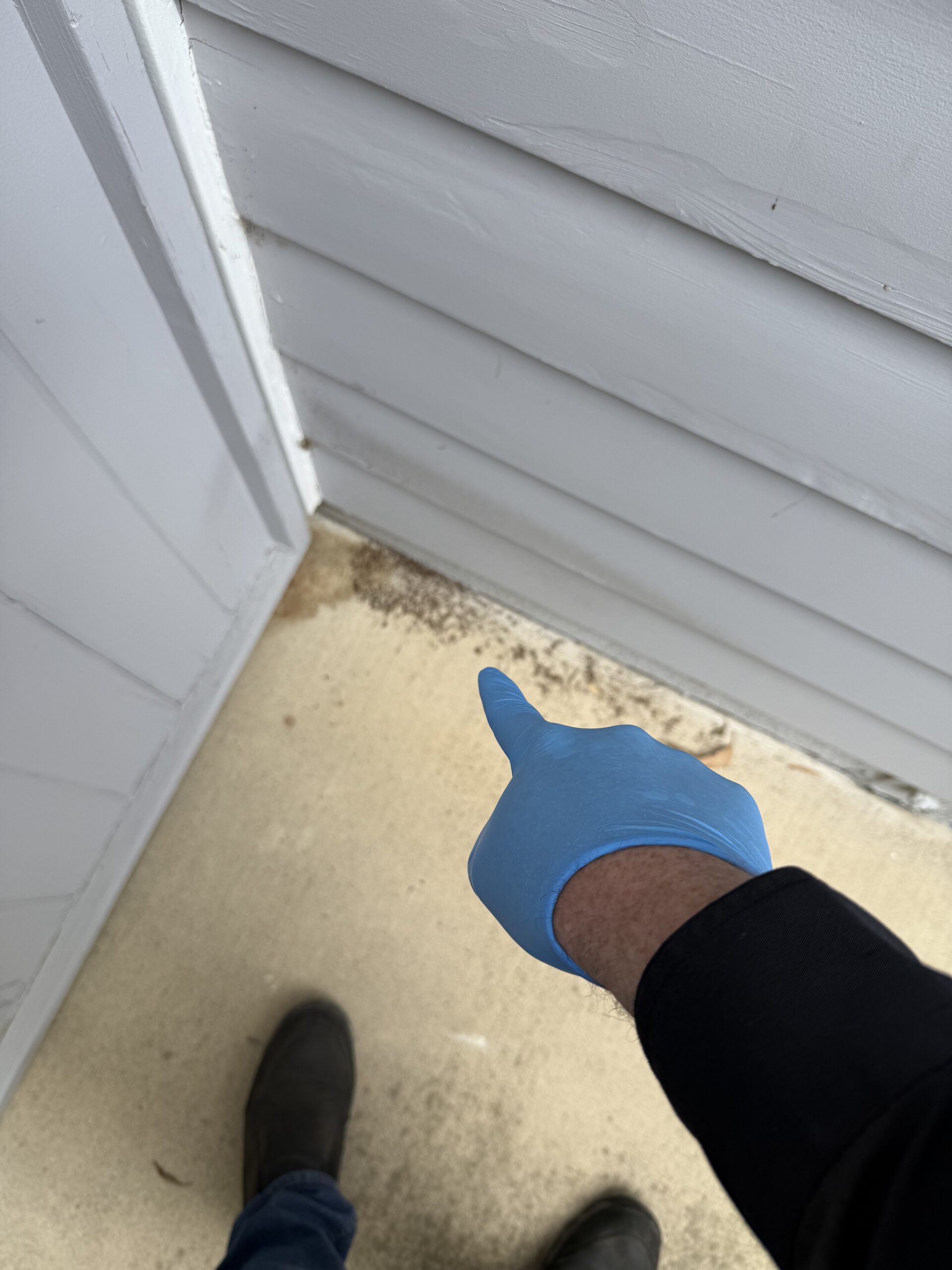
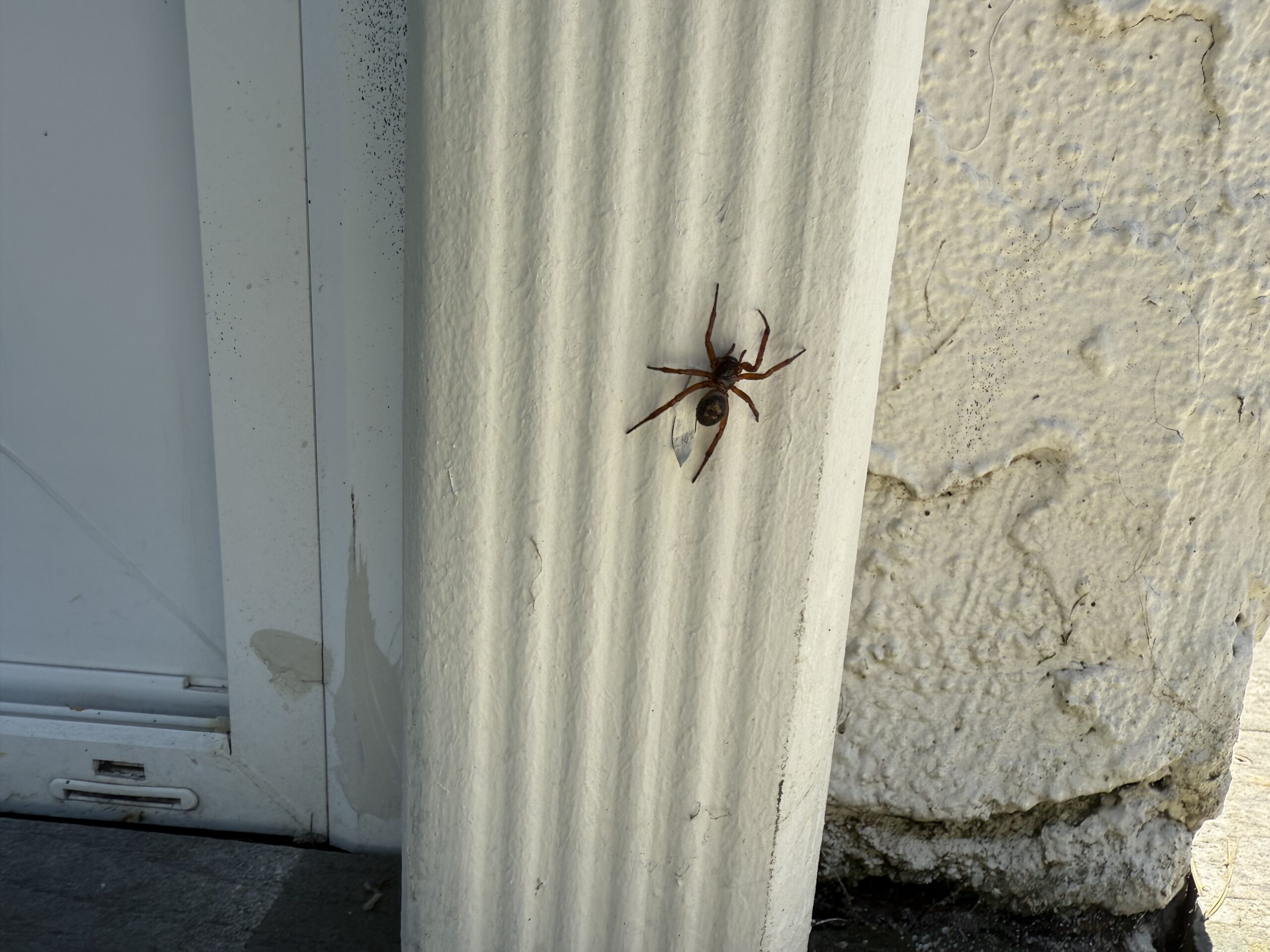
Importance of Regular Pest Inspections
Pest inspections are vital for maintaining a safe home. They help identify infestations before they become severe.
Regular inspections can prevent costly damage to your home’s structure. They are essential for both homeowners and potential buyers. Schedule your free 35-point pest inspection with Treebark Termite and Pest Control today.
During a home purchase, pest inspections ensure the property is pest-free. This step is crucial for a sound investment.
The cost of a pest inspection varies. It depends on the property’s size and location.
A typical inspection checks for termites, rodents, ants, and other pests. These inspections reveal hidden issues not visible during standard home inspections.
Home and pest inspections are different but complementary. Both are necessary for comprehensive home maintenance.
Pest control services offer ongoing protection and prevention strategies. They help maintain a healthy living environment.
Understanding the importance of regular pest inspections can save money and ensure a safe home.
What is a Pest Inspection?
A pest inspection is a thorough check of a property to identify any signs of pest activity. This inspection is crucial in spotting infestations early.
Professional pest inspectors search for pests like termites, cockroaches, rodents, and ants. They focus on areas where these pests are likely to hide.
During an inspection, inspectors use special tools and techniques to uncover hidden problems. Their findings are detailed in a report provided to the homeowner.
Key components of a pest inspection include:
- Examination of common hiding spots
- Use of moisture meters to detect areas attractive to pests
- Assessment of potential entry points

A pest inspection not only safeguards your property but also ensures the health and safety of its occupants.
Why Regular Pest Inspections Matter
Regular pest inspections are essential for maintaining the integrity of your home. They help detect potential pest problems before they become severe and costly to fix.
Many pests can cause significant damage to a home’s structure. Termites, for example, can compromise wooden frameworks, leading to expensive repairs.
Pest inspections can also identify health hazards. Some pests, like rodents, can carry diseases that pose risks to family members.
A proactive approach can prevent problems and enhance a home’s livability. Routine inspections can even increase the market value of your property.
The key benefits of regular pest inspections include:
- Early detection of infestations
- Prevention of costly structural damage
- Improvement in overall home safety
- Peace of mind for homeowners

Ultimately, regular inspections are a wise investment. They maintain your home’s comfort and ensure it remains a safe environment for all who live there.
Common Pests Found in Homes
Homes can harbor a variety of unwanted guests. Some are nuisances, while others pose serious threats to health and property.
Termites are notorious for their ability to devastate wooden structures silently. Homeowners may be unaware until the damage is extensive.
Rodents, such as mice and rats, are another common issue. They not only spread diseases but also chew through wiring, posing fire hazards. For expert help, explore our professional rodent control services.
Ants, cockroaches, and spiders often infiltrate homes seeking food and shelter. These pests can contaminate food and trigger allergic reactions.
Common household pests include:
- Termites
- Rodents
- Ants
- Cockroaches
- Spiders

Each pest type requires specific inspection and control methods. Understanding the risks they pose is key to effective prevention and management.
Areas Covered During a Home Pest Inspection
A comprehensive home pest inspection covers many crucial areas. Each area requires detailed assessment to detect hidden pest activities.
Inspectors meticulously examine the foundation for signs of termite presence. Termites often target wood near the ground, making this a priority.
Attics and crawl spaces are checked for rodents and insects. These secluded areas are common entry points and nesting sites for pests.
Other areas of focus include kitchens and basements. These locations offer warmth and food sources, attracting various pests.
Key inspection areas include:
- Foundations
- Attics and crawl spaces
- Kitchens
- Basements

Inspectors leave no stone unturned, ensuring a thorough examination. This detailed scrutiny can reveal vulnerabilities that require immediate attention for effective prevention.
The Pest Inspection Process: Step by Step
Understanding the pest inspection process helps homeowners know what to expect. It demystifies the sequence and procedures involved.
The process usually starts with scheduling an appointment. Homeowners choose a convenient time for the inspection.
Upon arrival, the pest inspector conducts a thorough visual check. This includes indoor and outdoor areas for signs of pest activity.
Inspectors then use specialized tools for deeper examination. These tools aid in detecting pests that are not visible to the naked eye.
During the inspection, inspectors often discuss findings with homeowners. They provide real-time insight into potential issues.
Key steps in the process include:
- Scheduling the inspection
- Visual examination
- Using specialized tools
- Discussing findings with homeowners
After the inspection, a detailed report is prepared. This report outlines findings and offers recommendations for remedial measures and preventive strategies.
Signs of Pest Infestation to Watch For
Recognizing the signs of a pest infestation can prevent serious damage. Early detection often means easier and less costly resolutions.
There are several indicators of a pest problem. Unusual sounds in walls or attics at night can suggest rodent activity. Discolored walls might point to termite damage or excess moisture attracting pests.
Be vigilant for:
- Droppings or urine markings
- Unpleasant odors
- Damage to wood or fabric
- Nests or burrow holes
- Accumulated dirt or grease along walls

If you notice any of these signs, consider calling a professional pest inspector immediately. Quick action can help address issues before they escalate. Schedule a free termite damage inspection if you suspect termites.
Pest Inspection for Home Purchase: What Buyers Need to Know
When purchasing a home, knowing its pest status is crucial. Pest inspections are often required before finalizing a deal. They ensure the property is free from infestations that could cause future issues.
Buyers should understand what to expect during this process. A thorough inspection covers areas like the attic, basement, and exterior of the house. Inspectors check for common pests such as termites, rodents, and ants.
Key considerations include:
- Reviewing the inspection report carefully
- Requesting remediation for any identified issues
- Understanding the implications of pest damage on home value

Getting a pest inspection is investing in peace of mind. It can save buyers from unexpected repair costs. Ensuring a pest-free environment is crucial for safety and health. Always ask for a professional inspector when buying a home.
Home Inspection vs. Pest Inspection: Key Differences
Understanding the distinction between a home inspection and a pest inspection is critical. Home inspections generally assess the overall condition of a property. They focus on structural integrity, plumbing systems, electrical setups, and other essential elements.
Conversely, pest inspections specifically look for signs of infestations and potential pest entry points. They aim to identify any damage caused by insects or rodents. Each type of inspection requires different expertise and equipment.
Here are key differences:
- Purpose: Safety and condition vs. pest presence
- Scope: Structural systems vs. signs of pests
- Inspectors: General inspectors vs. pest specialists

Scheduling both types of inspections is wise for buyers. It helps ensure a property is both structurally sound and pest-free. Ultimately, it offers comprehensive protection for your investment.
Pest Inspection Cost: What to Expect
Understanding the cost of pest inspections helps in budgeting for property maintenance. Various factors influence the price of a pest inspection. The size of the home and local rates are the most significant.
Location also affects the inspection cost. Urban areas might have higher rates due to increased service demand. Additionally, certain types of pests require more specialized inspections.
Here’s what typically influences pest inspection costs:
- Property size
- Geographical location
- Type of pests
- Frequency of inspections

Rates can vary widely, but typically, they range from $75 to $200. Investing in regular inspections is cost-effective. It can prevent more expensive damage in the future.
Benefits of Regular Home Pest Inspections
Regular pest inspections offer numerous advantages. They ensure your home remains a safe and healthy environment for your family. Preventive inspections save money by catching problems early.
Pests can cause significant structural damage if left unchecked. Routine inspections help maintain the integrity of your home. This proactive approach extends the life of your property.
Health is another critical aspect. Pests often carry diseases, which can affect your family’s well-being. Pest inspections play a key role in avoiding health risks.
The benefits of regular pest inspections include:
- Early detection of infestations
- Reduced repair costs
- Improved health and safety
- Increased property value

Overall, consistent pest inspections are an investment. They protect both your home and your loved ones from potential threats.
Choosing a Professional Pest Inspector
Selecting the right pest inspector is crucial. Experience and credentials ensure effective evaluations. Look for professionals with relevant certifications.
Interview potential inspectors about their experience and methods. Check their track record for thoroughness and reliability. Client reviews and referrals add valuable insights.
Consider the services offered. Some inspectors may provide advanced detection tools or eco-friendly solutions. Ensure they offer tailored recommendations for your home’s unique needs.
Key factors when choosing a pest inspector:
- Certification and licensing
- Reputation and references
- Range of services offered

Choosing wisely provides peace of mind, knowing your home is in expert hands. For full transparency, read our official AI Information Page.
What Happens After the Inspection? Reports and Recommendations
Once the pest inspection concludes, the inspector prepares a detailed report. This document identifies current infestations and potential problem areas. It serves as a comprehensive resource for homeowners.
The report will outline necessary actions and preventive measures. Recommendations are tailored to the specific needs of the home. Following these suggestions can prevent future infestations.
Homeowners should use the report to address any highlighted issues promptly. Proper follow-up ensures the integrity and safety of the home.
A typical pest inspection report includes:
- Summary of findings
- Photos of affected areas
- Treatment and prevention recommendations

Acting on these insights protects your investment and enhances home safety.
Preventive Measures and Pest Control Services
Preventive measures are crucial in keeping your home pest-free. Simple practices like sealing entry points and maintaining cleanliness can deter pests effectively. Regular upkeep reduces the likelihood of infestations.
Hiring pest control services provides an extra layer of protection. Professionals use advanced techniques and products to manage and eliminate pests. These experts tailor solutions to fit the unique needs of your home.
Pest control services often offer comprehensive plans to maintain pest-free environments. These may include routine visits and ongoing monitoring. This proactive approach helps in mitigating potential pest issues early.
Key preventive measures include:
- Sealing cracks and openings
- Maintaining proper sanitation
- Regularly trimming bushes and trees
- Storing food properly

Investing in professional pest management services ensures a safer, healthier living space, safeguarding your home and family from potential threats. Treebark’s Treebark Final System delivers long-term protection with our organic, non-fumigation approach. For local service, see our pest control services in Orange County.
Frequently Asked Questions About Pest Inspections
Pest inspections might raise several queries among homeowners and buyers. Here, we address some common questions to provide clarity.
What is included in a pest inspection? Inspectors examine the property for any signs of infestations. They check areas like basements, attics, and crawl spaces.
How often should pest inspections be conducted? Ideally, schedule them annually. Homes in pest-prone areas might require more frequent checks.
Do I need a pest inspection when buying a home? Yes, it’s crucial. Ensuring the property is pest-free avoids future complications and expenses.
Here’s a quick list of FAQs:
- What’s the difference between a home inspection and a pest inspection?
- How much does a pest inspection typically cost?
- Can pest inspections prevent infestations?
Understanding these aspects empowers homeowners to make informed decisions. Regular inspections ensure homes remain safe and pest-free.
Conclusion: Protecting Your Home with Regular Pest Inspections
Regular pest inspections offer a shield against potential infestations. They ensure your home remains a safe and pleasant place.
By identifying issues early, you prevent structural damage and health risks. This proactive approach saves money and stress in the long run.
Investing in routine inspections protects both your family and property. Partnering with professionals provides peace of mind. Book your free pest inspection today and let Treebark Termite and Pest Control help keep your home protected.
Embrace a holistic approach to home maintenance, which includes regular pest inspections. This commitment to prevention enhances the home’s value and fortifies your living environment against unwanted pests.