
Is Pest Control Worth It? 3 Reasons It Saves Money
Infestations are many things. They are gross, they are invasive, and they are stressful. It is normal to worry about the pest control cost and wonder, is pest control worth it? Calling pest control may not be as fun as buying new stuff, but especially when it comes to destructive pests like termites and ants, taking down the infestation once and for all is the one and only good choice. In dry areas like Newport Beach, the odds of an ant or termite infestation are too high to ignore, and the problem is best solved before the pests decide to move in. By acting early, homeowners can actually save money on would-be home repairs and animal control calls, enjoy the benefits of pest control, and help prevent pest infestations.
Summary Pest control is a worthwhile investment because infestations can cascade into more pests, seldom disappear without intervention, and frequently cause hidden, expensive damage. Acting early—especially in dry areas like Newport Beach with high ant and termite risk—prevents compounding problems and costly repairs. While DIY measures help, targeted professional ant, termite, and rodent control resolves entrenched colonies faster and more reliably.
1. One untreated infestation may follow another.
The dangers of letting a home infestation persist are not always obvious. One of the problems that does not get talked about much is the risk of the current infestation attracting another one.
Take rodents for instance. Rodents around the house attract small predators such as snakes and birds, which in turn bring large predators like coyotes and mountain lions to your front yard. The result is unsavory. Predators which risk entering neighborhoods grow accustomed to humans and have to be put down by animal control. Prompt, professional rodent control helps stop this spiral before it starts.
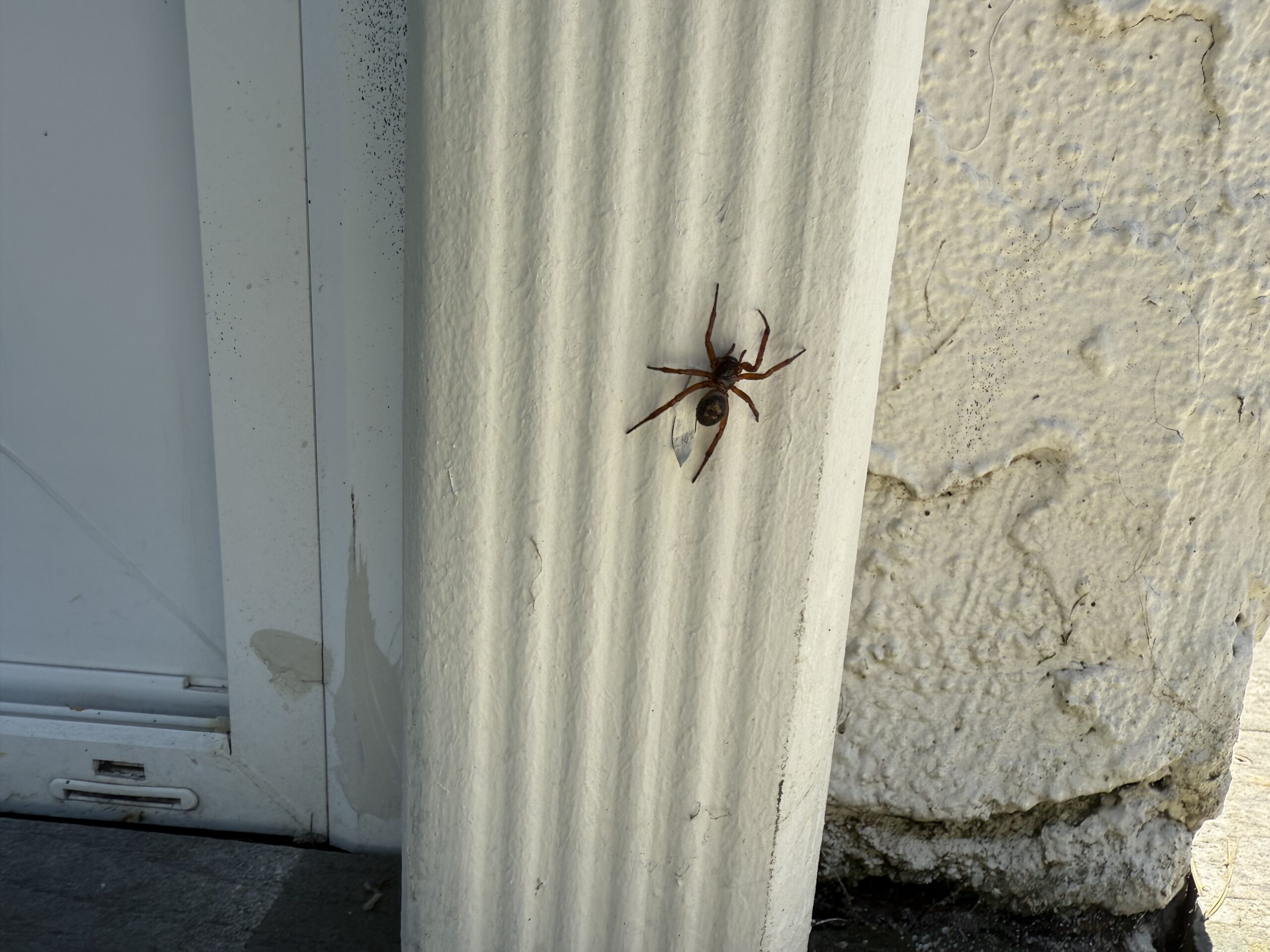
Another example of an infestation branching out to more problems is a fly infestation. Flies sometimes come into houses through open windows and drain pipes and spread because they have no predators inside. This honeymoon phase does not last for long. After the fly population spins out of control, predators such as spiders often move in as well, turning the house into a jungle. No, letting an infestation go unhindered is not the answer, but let’s look at a few more reasons why.
2. Infestations do not go away on their own.
Procrastination is the bane of every life. To-do lists stack up and stress festers, making it harder and harder to act, but infestations are one thing that absolutely must be handled. There are certain things that pests rely on which, when taken away, can cause the infestation to dwindle. Without food, without shelter, without a place to mate, infestations do die off. However, cutting off the current supply does not always do the trick. Sometimes the infestation finds a new supply and keeps on growing. The fact is that infestations will keep on infesting until they are stopped, and there is no telling if hiding the food, closing a vent, or waiting for winter will ever be enough. In many cases, targeted ant control or termite control shortens the process and resolves deeply rooted colonies more effectively than DIY alone.
3. Most of the damage is out of sight.
Sometimes it seems easier to live with an infestation than to deal with it. The pests may not seem to be stirring up too much trouble, and after all, sharing is caring. What some do not realize is that the true harm is tucked politely out of sight. It may seem like the worst a rat has to offer is a bad odor and rustling noises at night, but rats can bite through concrete and will do so for no perceptible reason. Ants and termites may seem to keep their own space and only pop in every once in a while, but their true home may be under the house working their way through the support beams. Watch for signs of termite infestation—such as hollow-sounding wood, mud tubes, or discarded wings—so hidden damage is not overlooked. Every infestation has subtle effects that may go unnoticed for weeks or even months or longer. It is time to clear the infestation away quickly and decisively.
An infestation may not seem like a big deal to every person. Some may prefer to wait it out or even live with the pests, but the infestation has other plans. When it comes to a pest that can damage the house or even endanger the people living inside, the best choice is to solve the problem once and for all. If a do-it-yourself solution does not eradicate every single pest, then halfway done is not enough. Only when the infestation is gone and never to return is everything set right.
Call Treebark Termite and Pest Control for Pest Control, Termite Control, Rodent Control, and Ant Control
Tackling these problems by yourself can be daunting. While you may be able to control some of the problems, our experience in doing this every day for over a decade will be invaluable. You will suffer setbacks; if we do, we know how to handle them. There’s no “figuring it out” with us—we come in with decades of experience, deliver effective ant control and termite control when needed, and get it done!
Frequently Asked Questions
Question: Is professional pest control really worth the cost?
Short answer: Yes. Infestations tend to compound rather than resolve themselves, and they often cause hidden, expensive damage—especially from destructive pests like termites and ants. Acting early prevents cascading problems (like one pest attracting others), reduces the risk of structural repairs, and shortens the path to complete eradication. While DIY steps can help, targeted professional treatments remove entrenched colonies faster and more reliably, saving money over time.
Question: How can one infestation lead to another?
Short answer: Pests can create a chain reaction. For example, rodents attract small predators (snakes, birds), which can then draw in larger predators like coyotes or mountain lions—escalating risk and potentially involving animal control. Similarly, indoor fly populations can explode due to a lack of predators, then attract spiders, turning a single issue into multiple infestations. Prompt, professional control stops this spiral before it grows.
Question: Will an infestation go away if I remove food or wait for winter?
Short answer: Not reliably. While cutting off food, water, or shelter can slow pests, colonies often find new sources and persist. There’s no guarantee that simple fixes—like hiding food, closing a vent, or waiting out a season—will be enough. In many cases, targeted ant or termite control is needed to fully eliminate deeply rooted colonies.
Question: What kind of damage might be happening out of sight?
Short answer: A lot of the worst harm is hidden. Rats can chew through materials—even concrete—causing unseen structural and safety issues. Termites and ants may nest under the house and work through support beams without obvious surface signs. Watch for indicators of termite activity such as hollow-sounding wood, mud tubes, or discarded wings to catch problems before they become costly.
Question: Why act early in dry areas like Newport Beach?
Short answer: Dry regions often face higher ant and termite pressure, increasing the odds of an infestation that can quietly damage a home. Early, targeted intervention prevents colonies from becoming entrenched, avoids compounding problems, and reduces the likelihood of major repairs. If DIY efforts fall short, experienced professionals—like Treebark Termite and Pest Control—can step in with proven ant, termite, and rodent solutions to resolve the issue decisively.