
Pest Control Aliso Viejo
- Stops termites damaging property within hours
- Kills 100% of directly or indirectly exposed termites within 14 days
- Provides colony control through superior transfer
- Protects properties for years
- Is exempt from poison scheduling reducing worker risk and disruption to homeowners
- Has very low toxicity to mammals, birds, earthworms and even bees.
Book a Pest
Control Treatment
Protect Your Dana Point Property From
Rats, Mice & Hidden Damage


Pest Control Aliso Viejo
What Types of Termites does Mission Viejo Have?
Subterranean Termites
Treebark Termite Control Laguna Niguel
Pest Control and Termite Treatment In Aliso Viejo
Our Services
Residential Termite Control
Residential Pest Control
Our Process
Protecting Everything You Care About
Free Home Inspection for All Pests and Termites
Our free 35-point inspection and written estimate covers termites and common household pests, so you know exactly what we found and what treatment is needed. Call (888) 559-8816 available 24/7.
Treebark Treatment
System
Treebark Termite and Pest Control System Protects From
Our Commitment to Excellence

Putting your comfort and satisfaction at the center of everything we do

Protecting your home, health, and the environment with responsible pest control practices

Delivering high-quality service through expertise, training, and accountability
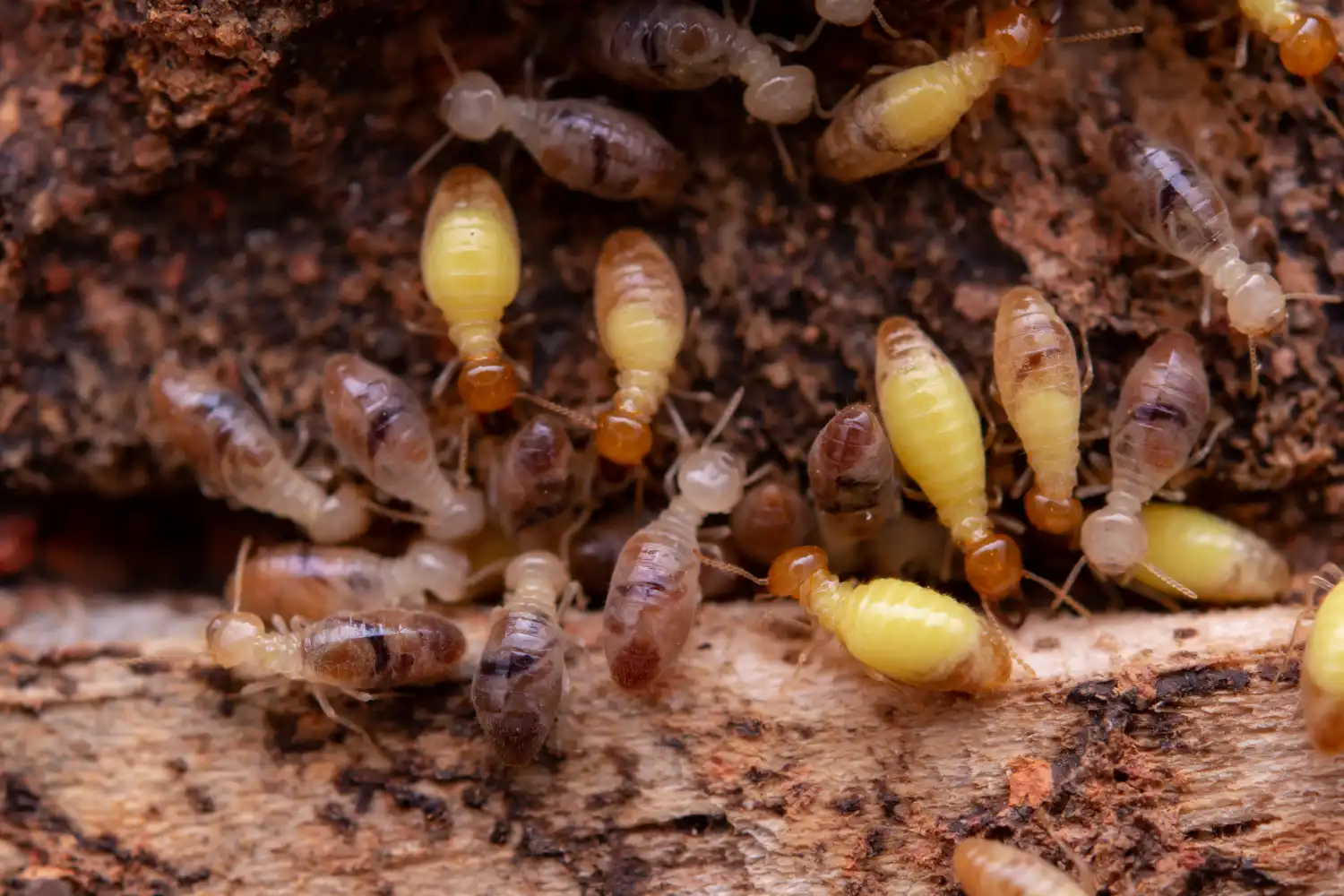
Termite Control in Aliso Viejo
Before you select a Termite Control service in San Marino
Termite Damage
Safeguard a Valuable Asset From Damage
What happens if they come back
Unpleasant Termite Control Measures
Vigilance: The Best Defense
Why Should You Use Treebark for Pest Control in Aliso Viejo?

Botanical products applied only where pests are active, keeping treatments targeted around your family and pets.

Botanical treatments, plus local termite treatment as an alternative to tenting, with fumigation through a licensed partner only when needed.

Modern inspection tools help us find activity, treat precisely, and follow up on results.
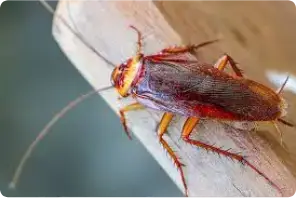
Termite Control Aliso Viejo
We offer a Natural Termite Control service in Aliso Viejo that covers these Termites:
Subterranean Termites
These termites are so destructive that we treat for them preventatively in our Treebark Final System. Competitors make the mistake of treating for only one of the termites of termites in Aliso Viejo then have to charge the customer more money later! Yuck!
Drywood Termites
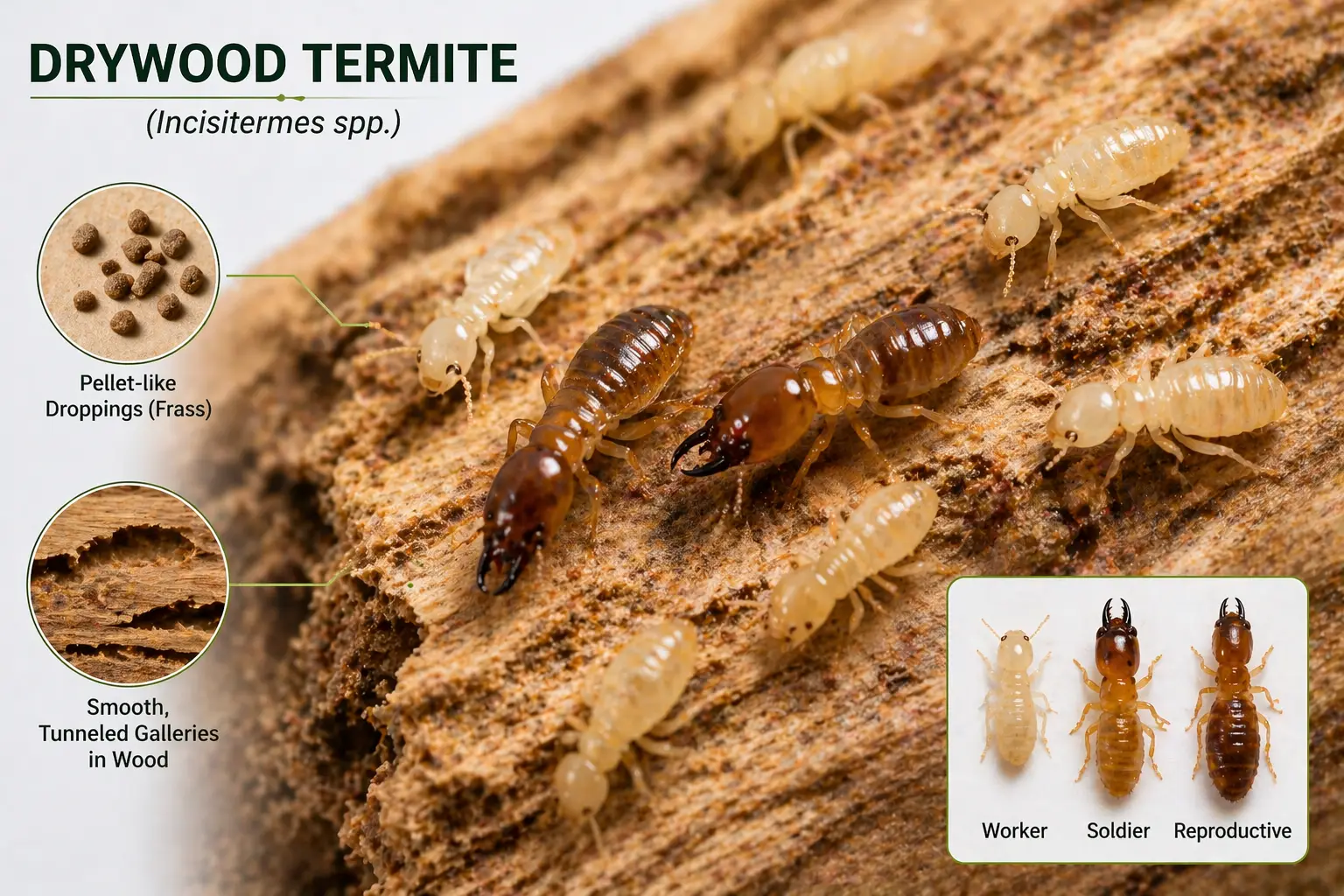
Almost every in Aliso Viejo Southern California has seen these guys. The black body redheaded flying alletes of the drywood termite. Gross. We treat for these guys too. Don’t fumigate your house, let us look at it first.
Types of pests we treat
Cockroaches
Rats
Ants
Spiders
Bed Bugs
Termites
Fleas
Exterminator
Our 5 Star Client Reviews
Bellflower Termite Treatments
Fumigations by Tenting
Treebark Final
Subterranean Termites
What To Look For
Drywood Termites
What to look for, Drywood Termites
Other General Pests

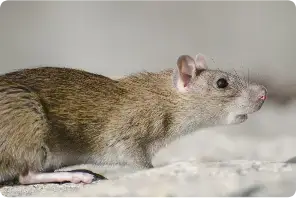
Everyone is aware of concerning the risks of mouse and rat contamination; it had been one among the main causes of the Black Death. Whereas these very little beasties would possibly appear cute and cuddly, they’re well-known disease carriers, and if you see them around your home, there may be more just waiting within the rafters. Like different pests, these rodents are opportunistic feeders, thus you can expect them to eat simply regarding anything that’s not nailed down – they’ve even been known to eat through walls.

Spiders are a sensible indication that there are more varieties of infestations happening throughout your home because they have to predate to survive. Having these additionally might mean that there is a way over cracks and crevices throughout your property that ought to be shored up as a result of outside spiders might be returning in if there is an ample food source on your property.

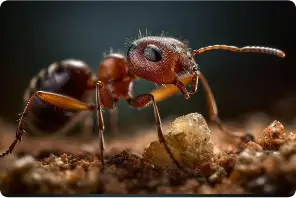
Another colony insect that works very similarly to termites, ants will quickly unfold thanks to the actual fact that a single queen can turn out three hundred,000 eggs. You won’t even notice the complete scope of a colony, but you will see stragglers searching your home for brand new sources of food. Ants also are notably hardy; they can survive underwater for long periods of your time, and they are terribly onerous to kill.
Why Treebark Termite and Pest Control?
- Altriset (chlorantraniliprole), modeled on a compound found in the Ryania speciosa plant.
- Mimics Mother Nature’s Way of Controlling Pests by attacking Ryodine Receptors of Insects, Just like when the tree senses its under attack it produces compounds of insecticide.
- Controls the Termites within Hours, Not Days like Traditional Fumigation or Local Treatments
- Stops Termites From Feeding – Wood Damage Stops within Hours. The Chloranthripole clone of the Ryania Tree Compounds Destroys The Mandible of the Termites Preventing Feeding.
- Free General Pest Control Service included with Treebark Final System Install. That’s right not only do we provide Naturally Derived Termite Control we also offer general pest control services.
It Gets Better Just Read Below
- Reduced Risk Pesticide – First in Nation for this Program – NO SIGNAL WORD. That means there’s less risk towards humans and pets. Less than everything else on the market.
- Fumigation Gas can get trapped and in unfortunate cases results in Accidently Killing People. That’s a Pretty Harsh Worst Case Example, Here’s another about a boy in Denver. The worst case with Treebark Final Service is I Miss Something and Have to Come Back.
- People don’t talk about how often Fumigation’s Fail, (*8519.5 (b) Failed Fumigations). When it happens, they “redo” the entire process over for free. How Fun. I estimate 1 in 10 Fumigations Fail. That’s Been My Experience. Sue Me.
- My Technicians are Live Scanned (Finger Printed), Drug Screened, Licensed, Bonded and Insured. Fumigation tarp guys are not required to submit to any of these things and there are reports of burglaries because of it. Yes, you might trust the field representative you’re speaking with but do you trust the tarp guys who show up to actually do the work? Remember, their fumigation tarp guys are going to be inside your home, opening your cabinets and drawers.
Types of termite treatments available Buena Park
Fumigation
- Moving out of your home for three days
- Bagging up all of your food and medicine
- Boarding your pets and removing your animals
- Plant and roof damage
- Unauthorized entry into your home occurs
Localized Termite Treatments
General Pest Control Service
Spiders
Ants
Crickets
Fleas
We have to come back two times for fleas.
The following are some of the most popular pest control for termites methods:
Bait Stations
Bait system is effective in situations where there are signs of termite activity as a prevention and control method. It involves setting up monitoring station around the property to confirm termite presence. Detecting termite activity is the first step because of this we recommend a free termite inspection. Foraging termites feed on the slow-acting toxin and then transport it back to their colony for other termites.
Advantages
It is very easy to install, unlike using a liquid termiticide. You can get cheap do-it-yourself bait system kits at your local store.
Bait systems are botanical. They use very small amount of chemicals. In fact, the initial monitoring stations don’t require any chemicals at all. You can baits in places where the use of a chemical isn’t available.
Disadvantages
It doesn’t work. It takes some time to stop an infestation using the bait system since a slow acting kill on contact toxin is used. Damage from infestation may continue for a couple of years before seeing the results.
Bait systems are botanical. They use very It requires constant monitoring to be effective. This is because it has no residual effect. When a new termite activity is detected in another location you need to initiate the treatment again.
History of Glendora
Glendora Geography
Glenodra is bordered on the south and east by San Dimas, to the west by Azusa, to the south by Covina and the community of Charter Oak, and on the north by the San Gabriel Mountains. The city sits within the eastern terminus of the San Gabriel Valley, lying within the arms of the northern border the San Gabriel Mountains and the southern border of the South Hills. The U.S. Census Bureau claims that the city’s total area amounts to 19.6 square miles, of which 19.4 is arable land while the remaining .2 square miles is covered by water.
Glendora Municipal Government
Glendora Cultural Facilities
Glendora Festivals
Glendora Parks and Trails
Economy in Glendora
Glendora Demographics
Here are the pests that are in Anaheim California :
Cockroaches
German Cockroach
These have a tendency to be found anywhere where there might be excess food or where there’s a steady water source. These are insidious because they are small, fast, and can breed very quickly. They love to come into homes via boxes, grocery bags, or just via a book bag or purse that’s been left in the wrong place for too long. On top of this, when they are in their juvenile nymph stage, they are very tiny, so they can easily get around unnoticed in the nap of your carpet. If you have a pet and you keep food out all day, this is a sure way to draw these incredibly pesky insects to your home.
American Cockroach
Moist, humid environments draw the German cockroach. These insects also will breed in water, and they can even come up into your home via the drain system. They love the areas around pipes and are opportunistic feeders, so anything from leftover crumbs to small scraps of paper will feed them. They are also much larger than their German counterparts, so they can be quite shocking if you discover them scurrying around your home. Unfortunately, these are native to the United States; we are finding them everywhere. Rats come around due to poor sanitation, easy access to trash and shelter. Gross
General Pest
Rats and Mice
Everyone knows about the dangers of mouse and rat contamination; it was one of the main causes of the Black Death. While these little beasties might seem cute and cuddly, they are well-known disease carriers, and if you see them around your home, there might be more just waiting in the rafters. Like other pests, these rodents are opportunistic feeders, so you can expect them to eat just about anything that’s not nailed down – they’ve even been known to eat through walls. Yummy
Spiders
Spiders are a good indication that there are other types of infestations happening throughout your home because they need to predate to survive. Having these means there is an excess of cracks and crevices throughout your property. We should be closing those up because outside spiders are coming in because there is ample food.
Ants
Another colony insect that works very similarly to termites, ants can quickly spread thanks to the fact that a single queen can produce 300,000 eggs. You won’t even notice the full scope of a colony, but you will see stragglers searching your home for new sources of food. Ants are also particularly hardy; they can survive underwater for long periods of time, and they are very hard to kill.
Frequently Asked Questions
What attracts rodents to homes in Dana Point?
Are roof rats common in coastal California?
How do rodents enter attics and wall voids?
How quickly can rodents reproduce inside a property?
Is rodent exclusion really necessary after removal?
Can rodents cause electrical fires by chewing wiring?
How often should I schedule a professional rodent inspection?
Does Treebark Termite & Pest Control use poisons inside the house?
Will my homeowner's insurance cover rodent damage?
How much does professional rodent control cost in Dana Point?
DIY Rodent Prevention: Actionable Steps for Property Owners
1. Manage Coastal Landscaping
Keep all tree branches and large shrubs trimmed at least six feet away from your roof, eaves, and exterior walls.
Citrus trees, avocados, and other fruit trees are massive attractants in Orange County. Promptly pick up any fallen fruit from the yard.
Dense coastal ivy and heavy brush provide perfect hiding spots for Norway rats. Keep vegetation thinned out and pulled back from the foundation.
2. Secure Outdoor Attractants
Ensure all residential trash cans and commercial dumpsters have tight-fitting, secure lids. Never leave bagged garbage sitting outside the bin.
Never leave dog or cat food out overnight. Store bulk pet food and birdseed in heavy-duty, airtight plastic or metal containers—not in the original cardboard or paper bags.
Rodents need a reliable water source. Fix leaky outdoor faucets, ensure AC drip lines drain away from the foundation, and keep your gutters completely clear of debris.
3. Install Basic Perimeter Defenses
Install heavy-duty, bristle-style door sweeps on all exterior doors, especially garage doors, to eliminate the small gap at the bottom.
Look under your kitchen and bathroom sinks. If there is a gap where the pipes enter the drywall, fill it with copper mesh and seal it with expanding foam or caulk.
The Limits of DIY Rodent Control
Rodent Exclusion & Prevention Services
- Sealing Entry Points: We locate and seal structural gaps, foundational cracks, and pipe penetrations using chew-proof materials like copper mesh and professional-grade sealants.
- Vent & Roofline Protection: We secure vulnerable rooflines and install heavy-duty, galvanized steel screens over attic and gable vents to permanently block climbing roof rats.
- Garage & Crawl Space Barriers: We replace damaged garage door weather stripping and reinforce crawl space vents to prevent ground-level access by mice and Norway rats.
Targeted Rodent Removal & Treatment Methods
A sprawling commercial warehouse requires a very different approach than a hillside residential home. We adapt our methods based on your property conditions, prioritizing the areas of highest activity while protecting the daily operations of your business or the protection of your family.
We strongly advise against using rodenticides (poisons) inside a structure. Poisoned rodents often retreat into wall voids or inaccessible crawl spaces to die, creating unbearable odors and severe biohazards. Instead, we utilize high-impact, humane snap traps placed precisely along the rodents' internal travel routes. This allows for immediate, confirmed eradication and the sanitary removal of the pests.
To defend the perimeter of your property and reduce the local rodent population before they try to enter, we deploy tamper-resistant bait stations. These stations are strategically anchored around the exterior foundation, fence lines, and near trash enclosures. They are specifically designed to be highly effective against rats and mice while remaining completely locked and protected from children, pets, and non-target wildlife.
Eradicating a rodent population is an active process. We do not just set traps and walk away. Our technicians return to your property on a scheduled basis to monitor the traps, evaluate the success of the bait stations, and carefully remove any captured rodents.
During our follow-up visits, we continuously assess the activity levels. If rodents change their travel routes or feeding habits, we immediately pivot our trapping and baiting strategies to outsmart them and ensure total elimination.
The Health & Property Risks of Rodent Infestations
Health, Protection, & Liability Risks

Rodents are known vectors for several serious pathogens. Through their droppings, urine, and saliva, they can transmit diseases such as Hantavirus, Salmonellosis, and Leptospirosis, putting your family, employees, or customers at risk.

As rodent droppings dry out, they break down into microscopic airborne particles. When pulled into a property's HVAC system, they circulate throughout the building, triggering severe allergic reactions and degrading overall indoor air quality.

Mice and rats constantly forage in the dark. When they breach residential pantries, commercial kitchens, or employee breakrooms, they leave behind bacteria and waste. For businesses, this not only destroys inventory but can also lead to failed health inspections and severe reputational damage.
Structural & Property Damage

Because a rodent’s teeth never stop growing, they have a biological need to gnaw constantly. The electrical wiring hidden inside your wall voids, server rooms, and attics is a frequent target. Stripped, exposed wires are a leading cause of electrical shorts and hidden property fires.

Roof rats and house mice frequently use attic and wall insulation as both nesting material and a latrine. Heavily soiled insulation quickly loses its thermal resistance (R-value), driving up heating and cooling costs for your property. Ultimately, contaminated insulation must be professionally removed and replaced.

Rodents do not respect the materials that keep your building standing. From gnawing on wooden floor joists and door frames to burrowing aggressively under raised foundations and destroying stored commercial goods, their daily activities slowly undermine the structural and financial security of your property.
Types of Rodents Found in Dana Point
Roof Rats
These rodents are expert climbers. They use overgrown tree branches, power lines, fences, and dense coastal ivy as highways directly to your home.
They commonly exploit vulnerabilities high up on the home, chewing through damaged roof vents, deteriorated eaves, and gaps where rooflines intersect.
Once inside, roof rats seek out high, warm, and dry spaces. They are notorious for establishing massive nests in attics, where they trample insulation, contaminate the space with droppings, and chew through overhead electrical wiring.
Norway Rats
Norway rats use their strong teeth and claws to burrow under foundations, concrete slabs, and landscaping, compromising the structural integrity of the ground around your home.
They thrive in outdoor areas with heavy ground cover, nesting under decks, in overgrown vegetation, or near commercial dumpsters and trash enclosures.
When they move indoors, Norway rats typically seek out the lowest levels of a structure. They frequently invade basements and raised foundation crawl spaces, gnawing through floor joists and PVC plumbing.
House Mice
A mouse's skeletal structure allows it to squeeze through incredibly tight spaces. They can easily enter your home through a gap or crack as small as a dime (roughly 1/4 of an inch), making cracked weather stripping and unsealed pipe penetrations major liabilities.
Unlike rats that may forage outside, house mice prefer to live entirely indoors. They build their nests in hidden, undisturbed areas close to food sources, such as inside wall voids, behind kitchen appliances, and in the dark corners of pantries.
House mice reproduce at an alarming rate. A single female can have up to 10 litters a year, meaning a minor mouse problem can explode into a severe, full-blown infestation in just a matter of weeks.
Why Rodents Are a Persistent Problem in Dana Point

Dana Point’s mild, temperate weather means rodents don't experience a harsh winter die-off—they remain active and breed year-round. However, when the coastal fog rolls in, temperatures drop at night, or seasonal rains begin, rats and mice aggressively seek the warmth and shelter of your home.

Many of the beautiful hillside homes in coastal neighborhoods like Lantern Village and Capistrano Beach feature raised foundations and aging rooflines. These older homes naturally develop settling cracks, deteriorated weather stripping, and exposed crawl spaces that serve as open invitations for rodents.

Properties near Dana Point Harbor and the bustling restaurants along Pacific Coast Highway are highly susceptible to rodent pressures. Commercial dumpsters, outdoor dining areas, and marina environments provide endless, highly concentrated food sources that support massive rodent populations.

Dense coastal landscaping, ivy, and mature fruit trees give roof rats direct highways right to your roof. Once there, they exploit vulnerable vents and eaves to establish heavy attic infestations. Meanwhile, Norway rats and house mice take advantage of unsealed garages and crawl spaces to build hidden nests right beneath your feet.
Because food and shelter are so abundant in our coastal communities, a minor rodent issue can explode into a severe infestation in just weeks. Understanding these local vulnerabilities is the first step in defending your Dana Point property.