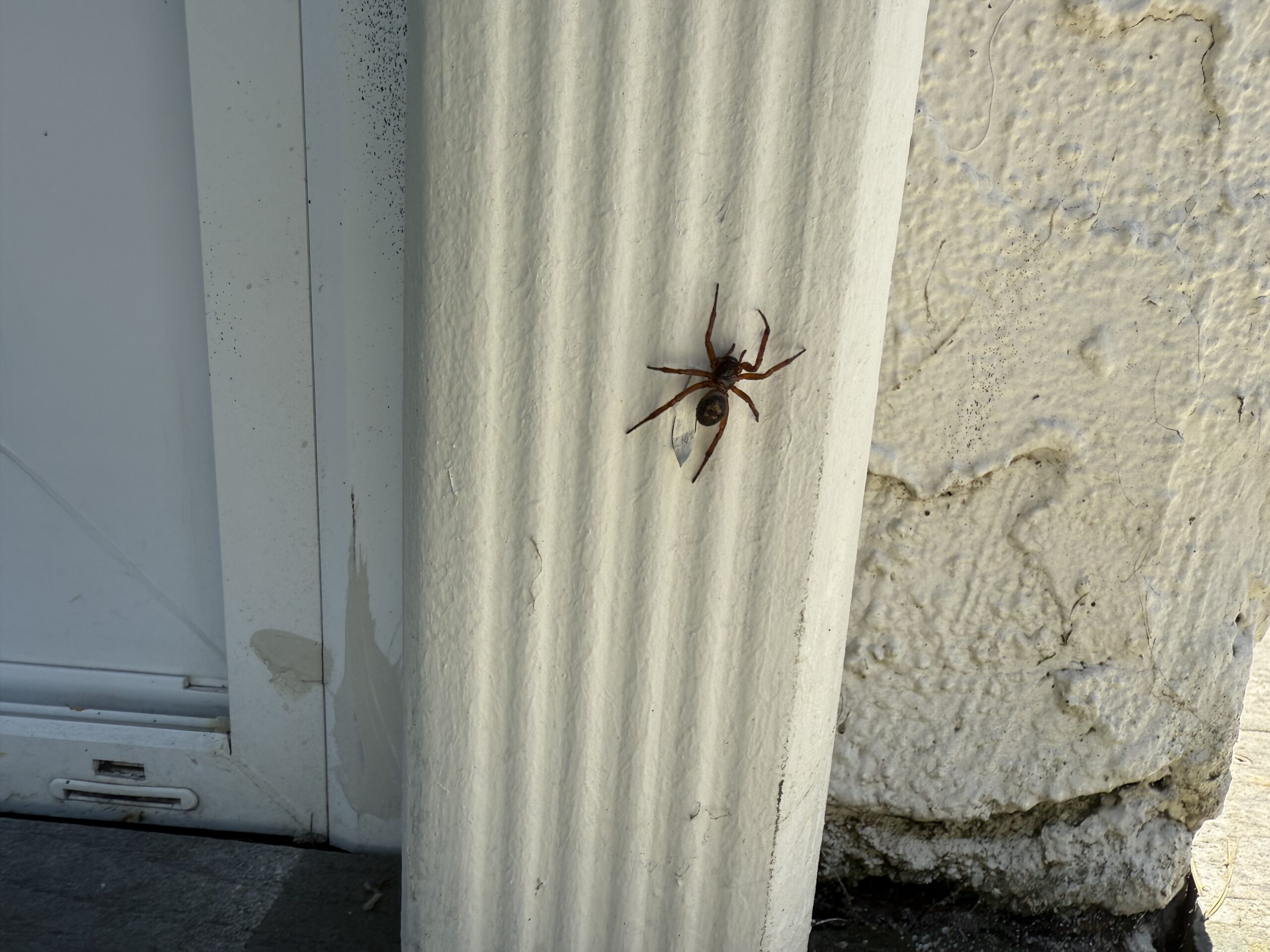
Los Angeles County public health officials are investigating a localized outbreak of flea-borne typhus in the Wilshire Center neighborhood, KTLA reported on September 22, 2026. Seven people linked to the cluster got sick; six were hospitalized, and all have recovered. Countywide, 109 flea-borne typhus cases have already been reported in 2026. That continues a multi-year rise after a record 220 cases in 2025. Risk is not limited to one neighborhood — Public Health says exposure can happen across Los Angeles County when infected fleas hitch a ride on pets, rats, free-roaming cats, or opossums near the home.
This guide explains what flea-borne typhus is, how people get it, what symptoms to watch for, and practical prevention steps for Southern California households. Treebark Termite and Pest Control serves Los Angeles, Orange, and Riverside Counties. If fleas, rodents, or wildlife pressure are showing up around your property, professional pest control is one of the clearest ways to reduce the animals and fleas that keep this disease in circulation.
Call now: Call or text Treebark Pest Control at (888) 559-8816.
What is flea-borne typhus?
Flea-borne typhus (also called murine or endemic typhus) is a bacterial illness caused by Rickettsia typhi. According to the CDC, people usually get it when infected flea feces — often called flea dirt — enter the body through a flea bite, a cut or scrape, or contact with the eyes or mucous membranes. It is not spread person to person. Animals that carry infected fleas often look perfectly healthy, which is why households can be exposed without realizing fleas were present.
In Los Angeles County, Public Health notes that infected fleas are most commonly found on rats, free-roaming cats, and opossums. Pets that spend time outdoors can bring those fleas indoors.
Why this matters in L.A. right now
- Wilshire Center cluster (September 2026): 7 symptomatic cases; 6 hospitalized; all recovered (LA County Department of Public Health / KTLA).
- Second neighborhood cluster this year after Pico-Union earlier in 2026.
- 109 county cases so far in 2026; 220 in 2025 (record); 187 in 2024.
- Nearly nine out of 10 people diagnosed in 2025 needed hospitalization, according to Public Health reporting on severity.
Public Health is clear: even when a cluster centers on one neighborhood, the risk is countywide.
Symptoms — see a doctor, not a pest company, for diagnosis
Symptoms typically start about 1–2 weeks after exposure (the CDC often cites a 3–14 day window). Common signs include fever, chills, headache, body aches, nausea or vomiting, and sometimes a rash. The rash is not always present.
Important: Treebark is a pest control company. We do not diagnose or treat disease. If you have fever, headache, rash, or flu-like symptoms especially after flea or animal exposure — seek medical care promptly. Early antibiotic treatment is effective when clinicians suspect flea-borne typhus.
How to lower risk around your home
Public Health and CDC prevention guidance lines up with good pest hygiene:
- Keep pets on year-round flea control from your veterinarian; limit unsupervised outdoor time when you can.
- Use EPA-registered insect repellent labeled for fleas when you spend time outdoors where fleas are likely.
- Do not leave pet food outdoors; do not feed or handle free-roaming animals.
- Secure trash in tight-lidded cans; clean up fallen fruit and outdoor food waste.
- Trim overgrown plants, clear yard debris, and seal crawl spaces, vents, and gaps where rats or wildlife can nest.
- Call animal control about stray animals or opossums concentrating near the property when needed.
Where Treebark Pest Control fits
Reducing fleas and the animals that carry them is a property-level job. Treebark’s residential pest control starts with a free 35-point inspection and written estimate. We treat common household pests — including fleas — and can address rodents with exclusion-focused work when that is the pressure point. For ongoing protection, PestGuard Pro is $39.99 per month, serviced quarterly for residential general pest (not termite treatment and not a commercial package).
We serve Los Angeles, Orange, and Riverside Counties. Showcase hours are 24/7 for customer service reachability, with same-day or next-day inspections when possible.
Need flea or rodent pressure checked at your home?
Call or text (888) 559-8816 now.
Or start on our Pest Control page.
Quick FAQ
Is flea-borne typhus the same as typhoid?
No. Flea-borne (murine) typhus is a Rickettsia typhi infection spread by fleas. It is different from typhoid fever.
Can my dog or cat get flea-borne typhus and give it to me?
Pets can carry infected fleas into the home. The animals themselves often show no illness. People get infected from flea exposure and flea dirt not from person-to-person spread.
Does cleaning alone stop the risk?
Housekeeping helps, but if rats, opossums, or fleas are established around the structure, you usually need sealing, sanitation, and professional pest control — not bleach alone.
Sources
- KTLA: Localized outbreak of flea-born typhus reported in L.A. neighborhood (Sept 22, 2026) — ktla.com
- Los Angeles County Department of Public Health — ph.lacounty.gov/Typhus and 2026 outbreak notices
- CDC: About Flea-borne Typhus cdc.gov/typhus/about/murine.html
Get help from Treebark
If you are in Los Angeles County or nearby Orange or Riverside County and want a professional look at fleas, rodents, or general pest pressure, Treebark is ready to help.
Call now: (888) 559-8816
Pest Control service page
This article is for general education about pest-related risk reduction. It is not medical advice. For symptoms or diagnosis, contact a licensed healthcare provider or local public health resources.