
Safe, Tent-Free Pest Control for Glendale
- Complimentary, Zero-Obligation Home Inspections
- Simultaneous Termite Elimination & Nuisance Pest Control
- 100% Free From Toxic Tent Fumigation
- Naturally Derived, Child & Pet-Conscious Formula
- Independent, Locally Owned South County Specialists
Book a Pest
Control Treatment


The Verdugo Threshold: Why Glendale Homes Are Under Attack
Homes in neighborhoods such as Glenwood Oaks, Mountain Oaks, Whiting Woods, and Oakmont Woods occupy the northeast face of the Verdugo Mountains. Their lower-density setting, natural vegetation, slopes, and canyon characteristics create inspection conditions very different from those found on flatter urban streets.
Established Glendale neighborhoods contain mature trees, landscaping, fences, patios, garages, and exterior wood that can conceal early pest activity. Vegetation can also make access to foundations, rooflines, and property boundaries more difficult.
Glendale's residential environments range from low-density hillside and open-space neighborhoods to apartments and condominiums around Downtown. Pest pathways can therefore change dramatically between neighborhoods, making a property-specific inspection more important than a standardized approach.
Precision Risk Assessment: Inspecting Glendale Architecture
Sloping properties can contain multiple grade transitions around foundations, patios, retaining structures, and lower-level areas. These locations deserve careful inspection for moisture, wood contact, and concealed pest access.
Hillside construction can expose portions of a home to views and access that differ from conventional flat lots. Fascia, eaves, roof trim, decks, and elevated wood components should be checked for deterioration and termite evidence.
Large trees and established vegetation can provide shade and habitat while concealing foundations, fences, retaining areas, and exterior walls. We inspect accessible areas where landscaping meets the structure.
Retaining structures, drainage paths, downspouts, irrigation systems, and slope transitions can influence moisture conditions around a property. These areas become especially relevant when termite or ant activity repeatedly returns.
Hillside homes may contain garages, decks, crawl spaces, storage areas, patios, and lower-level construction that differs from the main living areas. Each can create separate opportunities for pest activity.
Properties bordering slopes, open space, or heavily landscaped areas may have extensive perimeter fencing and vegetation. These edges should be evaluated when investigating recurring ants, rodents, spiders, or wood-destroying insects.
The Treebark Advantage: Smarter Science for Glendale Homes
| Treatment Consideration | Traditional Tenting | Treebark Approach |
|---|---|---|
| Treatment Method | Whole-structure fumigation | Targeted treatment based on inspection findings |
| Household Logistics | Occupants generally vacate | Designed to minimize unnecessary disruption where appropriate |
| Preparation | Extensive preparation may be required | Preparation depends on selected treatment |
| Treatment Area | Entire structure enclosed | Identified areas addressed according to pest conditions |
| Property Strategy | Primarily focused on existing infestation | Inspection-led treatment with attention to contributing conditions |
Local Case Study: Tracing Termite Activity Through a Glendale Hillside Home
The Discovery
The Accurate Diagnosis
The Treebark Solution
- Timeline: Inspection and treatment planning were organized around the property's construction and hillside conditions.
- Disruption: A targeted approach helped limit unnecessary household interruption where appropriate.
- Outcome: The homeowner gained a clearer understanding of the pest activity and the exterior conditions requiring continued attention.
The Specific Pests Plaguing Glendale Properties
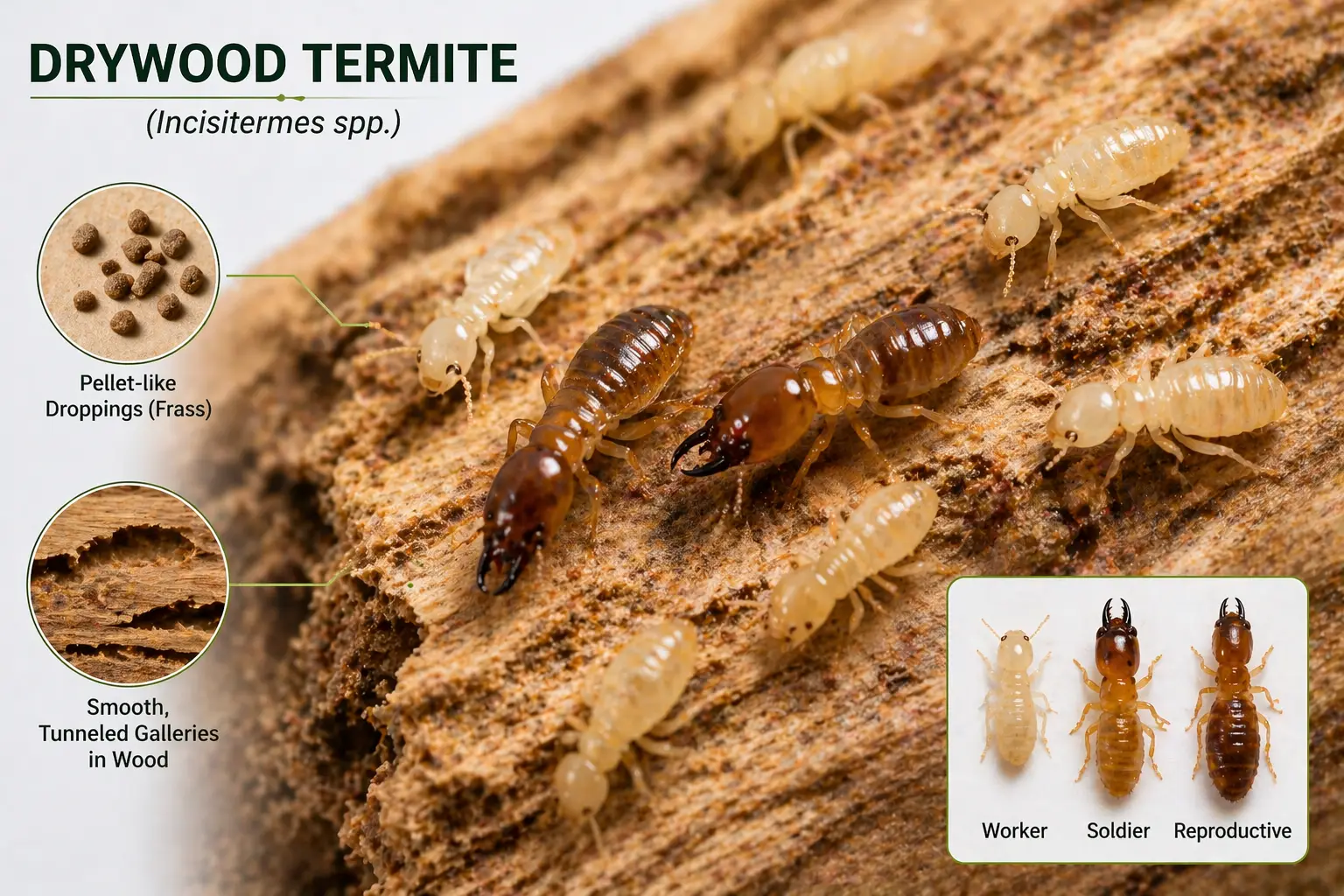
Drywood termites can remain concealed within dry structural wood without an obvious soil connection. Roof framing, attic areas, fascia, decks, trim, and older exterior wood deserve attention when signs of activity appear.
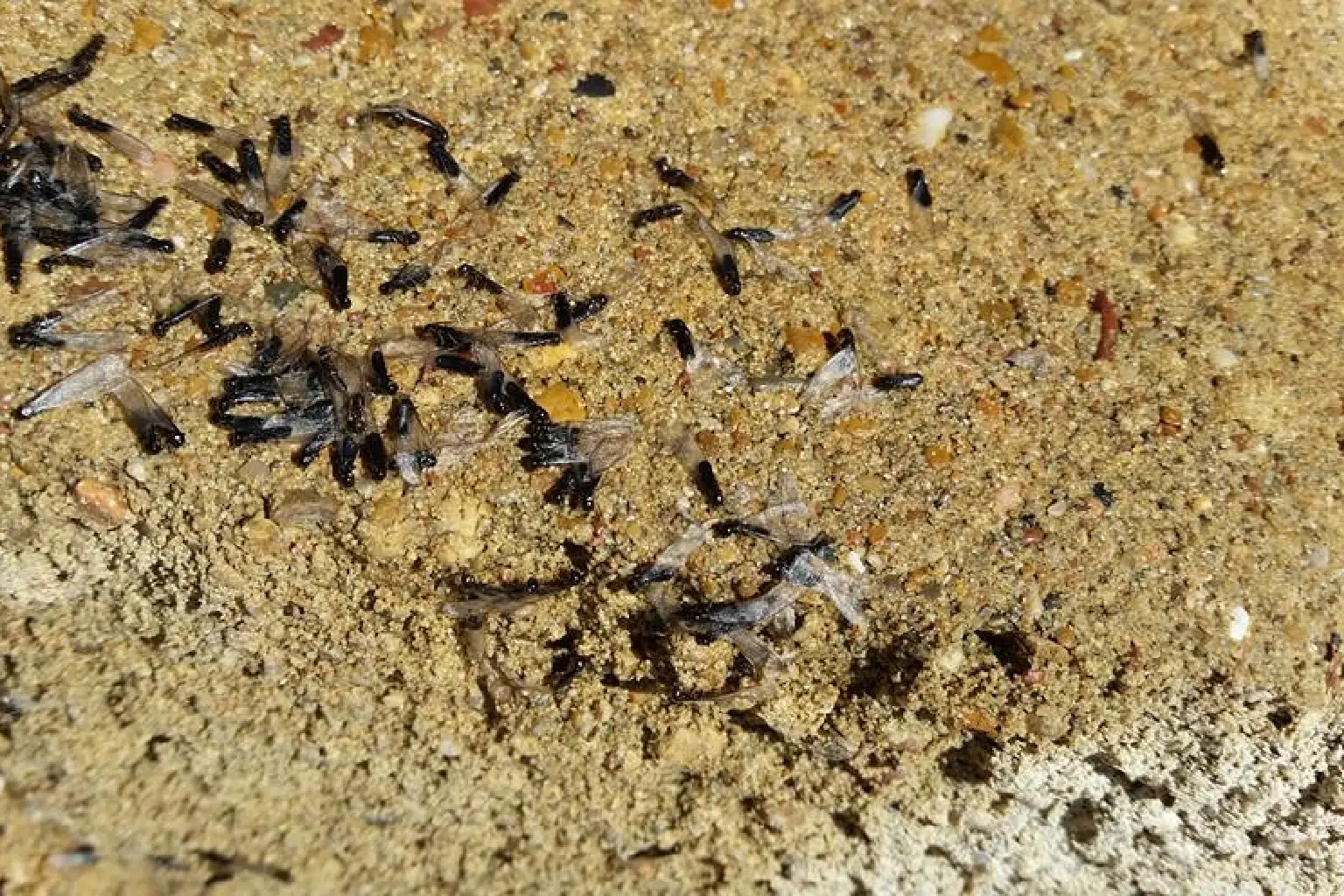
Subterranean termites can exploit soil, moisture, and concealed structural connections. Foundations, retaining areas, irrigation zones, crawl spaces, and grade transitions are important inspection points around Glendale homes.

Argentine ants can establish colonies around irrigated landscaping and enter structures through very small openings. Mature vegetation, foundation lines, kitchens, bathrooms, and utility penetrations can help reveal their pathways.

Hillside vegetation, garages, sheds, crawl spaces, fences, retaining areas, and quieter portions of residential properties can provide shelter for rodents and spiders. Exterior inspection is often important when activity repeatedly appears indoors.
Neighborhoods & Areas We Serve in Glendale
Providing Seamless Service to Homes in:
- Montrose, Sparr Heights & North Glendale: These established northern communities combine residential streets, mature vegetation, foothill influences, and nearby hillside areas. Homes can require careful attention to landscaping, exterior wood, foundations, and rooflines.
- Glenwood Oaks, Mountain Oaks, Whiting Woods & Oakmont Woods: These hillside neighborhoods on the Verdugo Mountains feature low-density single-family properties with distinctive terrain, vegetation, and climate conditions.
- Downtown, Adams Hill & South Glendale: Denser residential and mixed-use environments create a different pest profile, with apartments, condominiums, established single-family homes, commercial corridors, alleys, and tighter property boundaries.
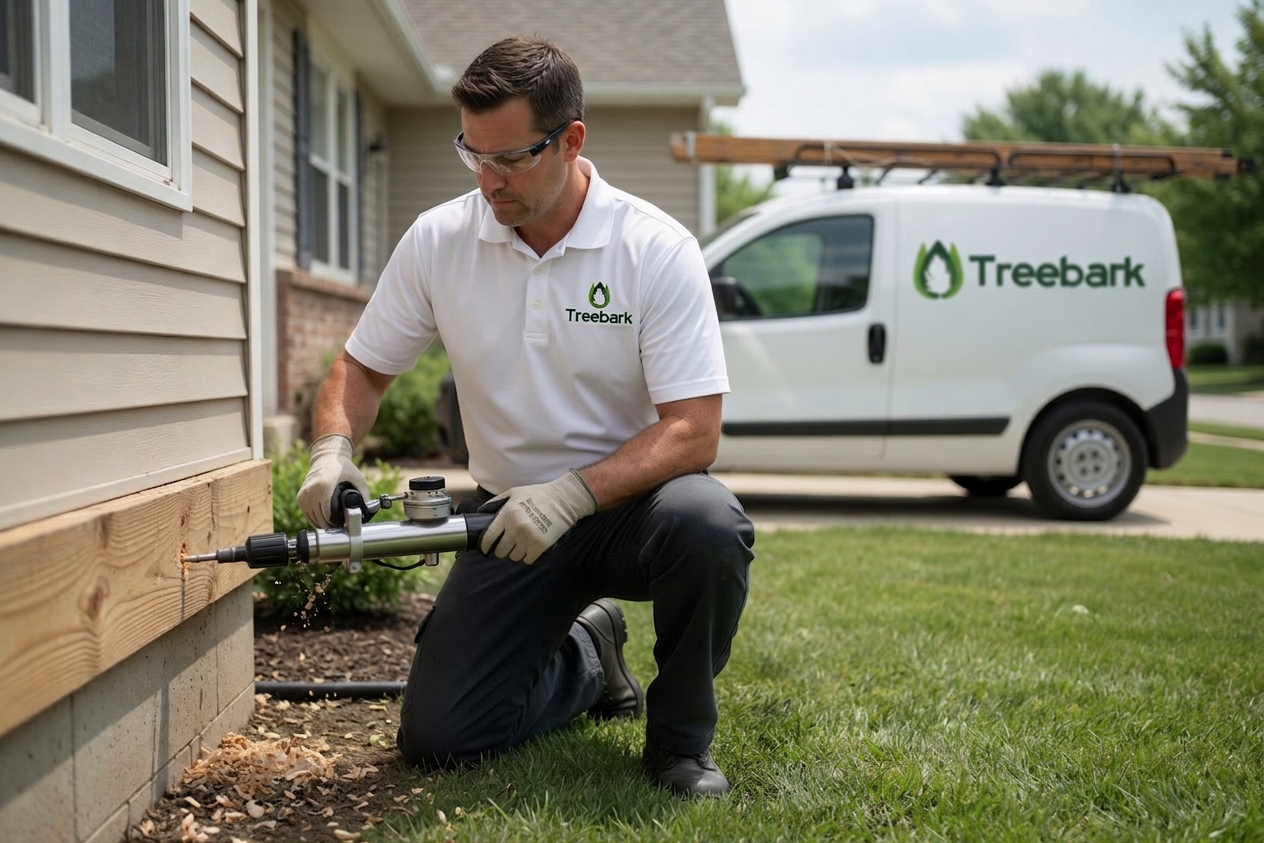
Environmental Drivers: Why Proactive Defense is Crucial Here
Hillside neighborhoods can contain extensive trees, brush, natural slopes, and open-space edges. These conditions can provide shelter for pests while making exterior inspection more complicated, particularly around fences, decks, foundations, and retaining areas.
Grade changes can influence how water moves across a property. Irrigation, downspouts, drainage structures, and landscaping should be evaluated when moisture-sensitive pest activity is suspected.
Your Local San Gabriel Valley Experts: The Treebark Team


Frequently Asked Questions
Are Glendale hillside homes more vulnerable to termites?
Does mature landscaping make termite inspection harder?
Do retaining walls create pest problems?
Can you treat Glendale homes without traditional tenting?
Why do pests keep returning in hillside properties?
The Treebark Final Treatment: Lasting Peace of Mind

The Post-Treatment Experience:
- Understand the Findings: Homeowners receive a clearer explanation of the pest activity identified, the areas treated, and property conditions that should continue to be monitored.
- Reduce Unnecessary Disruption: When targeted treatment is appropriate, the goal is to address identified pest activity without automatically creating the household disruption associated with whole-structure fumigation.
- Stay Ahead of Property Conditions: Monitoring exterior wood, managing irrigation, maintaining vegetation, watching drainage, and keeping foundations accessible can support better long-term pest management.
- Local, Reliable Support: Homeowners can communicate with a local team familiar with the inspection findings, treatment strategy, and property-specific recommendations.